REVIEW · PUNTA CANA
Caribbean Lobster
Book on Viator →Operated by Oliver Lab - Rum Experience, by Taino Gourmet · Bookable on Viator
Cooking lobster in the Caribbean beats another resort dinner. This Punta Cana class is a Taino cooking lab where a chef walks you through seafood-focused Dominican dishes, then you sit down to eat what you helped make. It is also timed as a relaxing afternoon-to-evening plan, not an all-day commitment.
I especially like the hands-on angle: you are not just watching. You learn how Caribbean fishers built flavor into classics using ingredients like platano and yuca, plus seafood such as lambí and shrimp. I also like that the night includes a meal with drinks and dessert, so it feels like a full experience for one set price.
One thing to keep in mind: the experience depends on your guide and how much you end up cooking yourself. Some people get a more “chef-led” session, and language or measurement formats can be a factor, especially if you are expecting everything in English.
In This Review
- Key things to know before you go
- Punta Cana’s Taino Cooking Lab: what this is really like
- The food focus: lobster dinner, plus Taino-style ingredients
- Inside the kitchen: what you’ll do during the class
- Dinner and the drinks: more than just a snack
- Rum and culture moments that make it feel local
- Pickup, timing, and how to plan around the 2:30 pm start
- Price and value: is $125 per person a good deal?
- Where the class shines most (and why people love it)
- Possible drawbacks: language, mall location, and hands-on variability
- Who should book this tour
- Practical tips to get the best night
- Should you book Caribbean Lobster in Punta Cana?
- FAQ
- Where is Caribbean Lobster located?
- How long is the experience?
- What time does the tour start?
- Does this experience include hotel pickup and drop-off?
- What’s included in the price?
- Is the tour suitable for children?
- What is the group size limit?
- Can I cancel for a refund?
Key things to know before you go
- Max group size of 18 keeps it more personal than a huge bus tour.
- Hotel pickup and drop-off makes the 2:30 pm start much easier to manage.
- Lobster plus other seafood (including lambí and shrimp) shapes the whole menu.
- Dinner, two alcoholic drinks, rum, and dessert means you are not leaving hungry.
- Guides may be multilingual, so confirm language expectations when you book.
Punta Cana’s Taino Cooking Lab: what this is really like
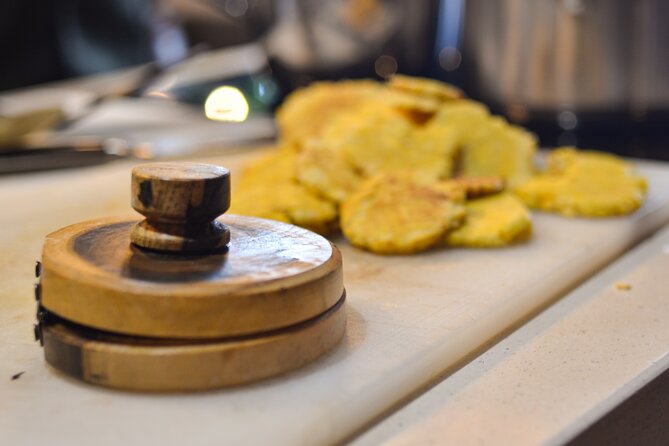
This is the kind of activity you do when you want Dominican food to mean more than just a tasty meal. You go to Oliver Lab by Taino Gourmet, meet your chef guide, and spend about three hours learning a seafood-heavy Dominican dinner built around traditional roots. Then you eat together.
The vibe is part classroom, part kitchen party. You might be chopping, mixing, and cooking along with the chef’s guidance. You will also hear stories tied to Dominican foodways, including references to older fishing traditions and how seafood ended up being such a big deal in local cooking.
The start time matters here. 2:30 pm is late enough that you can sleep in a bit, but early enough that you still get daylight and a proper evening meal. If you are the type who hates rushing to things after a beach day, this timing usually works.
Finally, the setting is practical for Punta Cana. You are not driving yourself across town. You get pickup and drop-off, and that alone can turn a “maybe” into a “sure, let’s go.”
You can also read our reviews of more tours and experiences in Punta Cana.



The food focus: lobster dinner, plus Taino-style ingredients
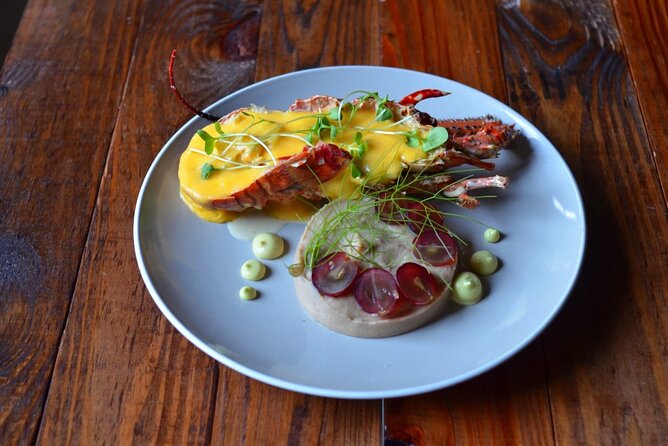
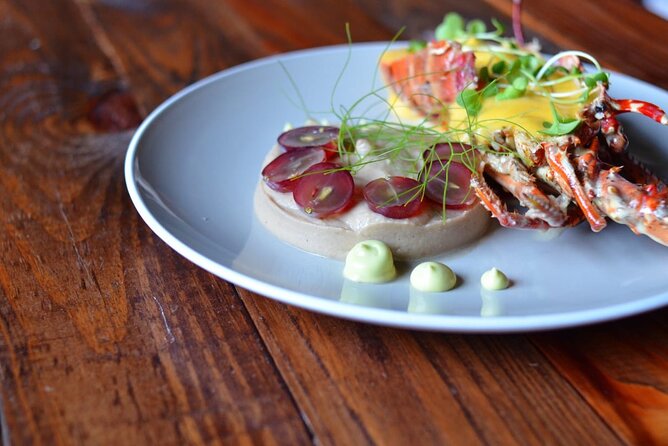
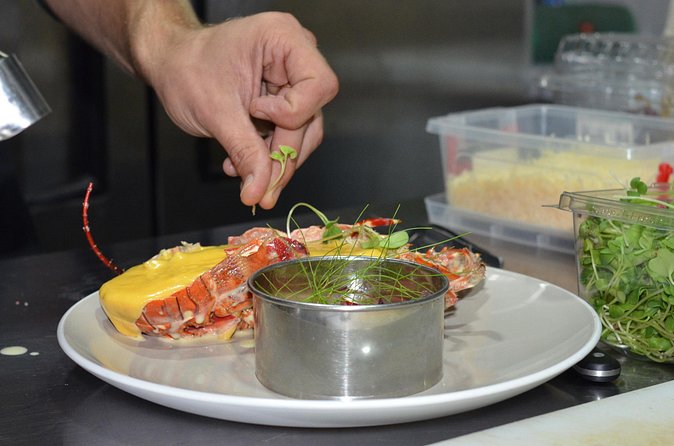
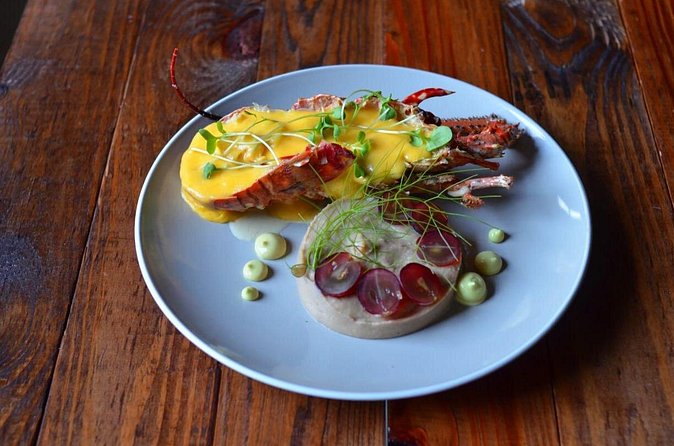
Let’s talk menu, because this tour is built around seafood. The centerpiece is Caribbean lobster in a dish often described as Caribbean Lobster Delight. The class also uses several other elements that help you understand why Dominican meals taste the way they do: vegetables like platano (plantain) and yuca (cassava), plus seafood such as lambí and shrimp.
From a value standpoint, I like how the cooking ties multiple flavors into one meal. You are not learning a random recipe. You are learning a Dominican dinner structure: seafood, starchy sides, and sauces/spices that make everything feel like it belongs together.
Also, learning to cook these base ingredients is useful back home. If you end up loving the plantain or yuca side, you can translate that into future meals even if you cannot find lambí.
Inside the kitchen: what you’ll do during the class
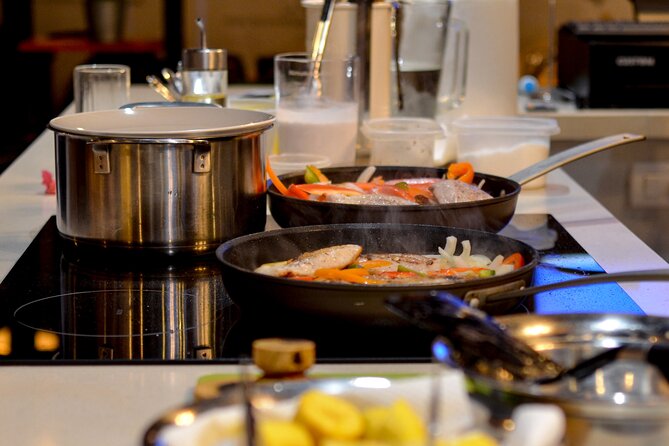
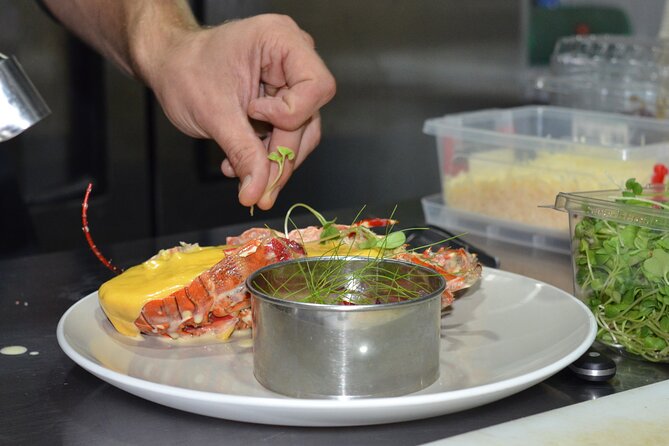
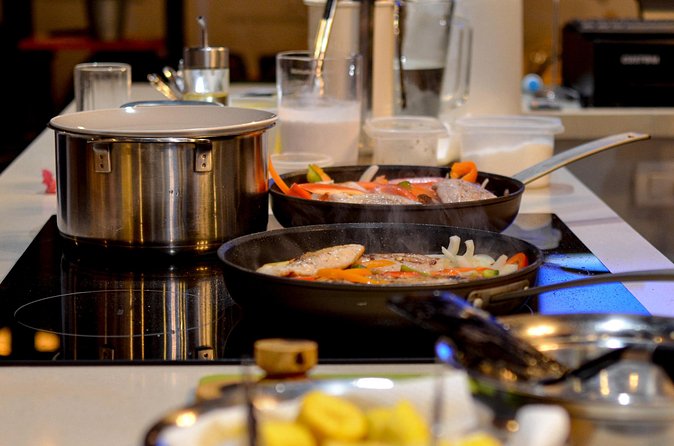
Your experience starts with a comfortable transfer from your hotel. Then you are guided into the cooking space, where the chef explains what you will be making. You should expect step-by-step instructions even if you are a beginner. The goal is clear: you learn by doing, not by memorizing.
In many sessions, you get hands-on with multiple components of the meal. People have described making items like ceviche and sides such as mashed potatoes alongside the lobster. That’s a good sign if you want variety, because it means the class is not only about one pot of food.
That said, there is a real-world balance to watch. In a less ideal session I read about, some parts were already prepared and the chef did more of the cooking on the stove. The lobster also was described as not cleaned properly and being overcooked. No one wants that. The lesson for you is simple: if hands-on time is your top priority, ask what is cooked by participants versus what is prepped beforehand.
Dinner and the drinks: more than just a snack
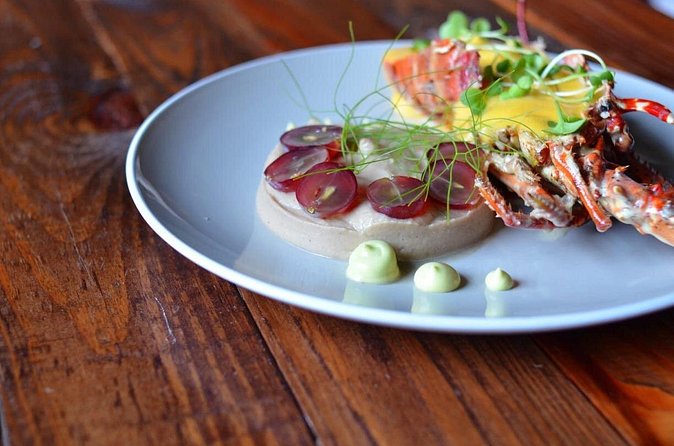
After the cooking, you sit down for the meal. Dinner is included, and you also get two alcoholic drinks. On top of that, there is a rum experience built into the night, with Oliver rum and related tasting moments.
This matters because a lot of cooking classes in vacation areas are basically “light bites” with a drink. Here, it is positioned as an actual dinner plan, not just a culinary demo. If you are comparing costs, this is where the money makes more sense: you are paying for a guide, ingredients, and the full evening meal experience, plus drinks.
Dessert also shows up as part of the package. In one happy account, dessert was tied to the rum experience. In a negative account, dessert was mentioned as missing in that particular session. That spread is a good reminder to set expectations around what is included, while also understanding that execution can vary by day and by staff.
Rum and culture moments that make it feel local
Food is the star, but the rum component gives the night a Dominican flavor beyond the kitchen. The tour is run under Oliver Lab – Rum Experience, by Taino Gourmet, so the tasting and related moments are not random add-ons.
A couple of guide-led touches show up in different sessions, such as references to Dominican staples like Mama Juana and also chocolate-style learning moments. Even if you already know the basics of Dominican drinks, you’ll often learn a bit about how people describe them and when they serve them.
The practical takeaway: if you want your vacation to taste and feel local, a cooking class plus rum makes a stronger combo than either one alone. You get food you can recreate and drink knowledge that gives context to what you see at bars later.




Pickup, timing, and how to plan around the 2:30 pm start
The tour runs about three hours, and it starts at 2:30 pm. With hotel pickup and drop-off, it is designed for vacation schedules, not for people who want to navigate local transit.
In practice, plan your earlier afternoon around being rested enough to cook. If you show up sunburned and exhausted from a full beach day, you’ll still eat. But you may not enjoy the cooking process as much. I’d treat it like a planned “activity dinner,” not like a grab-and-go.
Also, this is a small group activity (maximum 18 travelers). That size is big enough to meet people, but small enough that you are likely to get attention while cooking, especially if you have questions.
Price and value: is $125 per person a good deal?
At $125 per person, you are paying for a few things at once: a chef guide, hands-on instruction, ingredients for a lobster-based meal, dinner itself, and two alcoholic drinks, plus pickup/drop-off and transfers.
To judge value, I would mentally compare it to:
- the cost of a sit-down dinner plus drinks in Punta Cana
- paying separately for an experience where you learn something (rather than just eating)
This tour bundles those pieces. If you genuinely want to learn Dominican seafood cooking and eat what you make, it is easier to feel like a win. If your main goal is just a meal and drinks, you might find other cheaper options.
One more value factor: you are not dealing with a massive crowd. For $125, group size matters. If you like personal attention in a kitchen, the small maximum group helps justify the price.
Where the class shines most (and why people love it)
The standout parts tend to be the same: a good chef, a fun group vibe, and food that tastes worth the effort. People have specifically highlighted that their chef made them feel welcome and guided them through the process. Names that came up in different sessions included Roody and Ruth, and chefs also named Rudy/Ruddy and Francesca.
If your chef is patient and engaging, the whole night feels like a memory, not a chore. That is a big deal in a cooking class, where you might be standing over a stove or tasting as you go. A friendly, step-by-step guide makes the difference between learning and feeling lost.
The second big win is the lobster quality and overall flavor. Multiple accounts described the lobster as delicious, and the cooking results as the best part of the week. That is exactly what you hope for: you spend the work, then you get a payoff.
Possible drawbacks: language, mall location, and hands-on variability
Let’s keep it honest. There are a few points that can affect your experience.
Language and instructions: Some people mentioned the class was not in English and that directions used measurement units like kilograms that were hard to follow. If you care a lot about understanding every step, plan to bring basic cooking curiosity and be ready for demonstrations even if not everything is translated.
Hands-on vs chef-done cooking: One negative account described food already prepped, with the chef controlling much of the cooking. If you want to fully participate, consider asking for confirmation during booking about how hands-on it tends to be.
Lobster size and prep details: Another complaint noted a lobster that was pretty small. Another described lobster not being cleaned prior to boiling and being overcooked. You cannot guarantee quality on any day, but you can reduce risk by going with the right expectations: this is a cooking lab with live prep, not a fine-dining kitchen where every ingredient arrives perfectly portioned.
Location feel: One comment described the experience as located in a little mall, with a store part of the walkthrough. That is not necessarily bad, but if you want a secluded beachfront kitchen, you should know it is more “set up for tourists” than “hidden workshop.”
Who should book this tour
This fits best if you:
- want a Dominican food experience that is more than eating in restaurants
- enjoy hands-on activities and learning by cooking
- like seafood and want to try lobster prepared in a Dominican style
- can appreciate a rum tasting moment as part of the story
It may be less ideal if you:
- only want minimal participation
- need everything in English with clear written measurements
- are very picky about ingredient prep and stove control details
Kids are allowed, with the rule that children must be accompanied by an adult. If you are traveling with teens who enjoy cooking, this can be a fun way to break up a resort schedule.
Practical tips to get the best night
A few small moves can make the difference between a good class and a great one:
- Go in hungry. Dinner is included, but you are also tasting as you go.
- Wear something comfortable for kitchen work. You might be standing and doing hands-on tasks for a while.
- If English matters for you, ask about multilingual support when you book. The tour notes say guides may be multilingual, but you should not assume perfect translation.
- If you want more hands-on cooking, set that expectation early with the chef guide once you arrive.
- Expect seafood prep to be real-life seafood prep. That means variations in size can happen.
Should you book Caribbean Lobster in Punta Cana?
I think you should book this tour if you want a true food activity—one where you learn Dominican cooking, eat a full dinner, and leave with an experience you can talk about later. The combination of lobster, Dominican sides like yuca and platano, and the included rum-and-dessert moments makes it feel like a complete evening plan.
I would hesitate only if you need guaranteed English instruction, or if you are specifically paying for maximum hands-on control at the stove. In those cases, ask questions before you go. You are paying a real price, so make sure the experience matches your expectations.
If you want Dominican culture through food—and you enjoy cooking enough to take a few steps in the kitchen—this one is a strong bet for Punta Cana.
FAQ
Where is Caribbean Lobster located?
It takes place in Punta Cana, Dominican Republic.
How long is the experience?
The duration is about 3 hours.
What time does the tour start?
The start time is 2:30 pm.
Does this experience include hotel pickup and drop-off?
Yes. Hotel pickup and drop-off, plus transfers both ways, are included.
What’s included in the price?
Dinner is included, along with beverages (including two alcoholic drinks), a driver/guide, local taxes, transfers, and a cooking class with utensils.
Is the tour suitable for children?
Children must be accompanied by an adult.
What is the group size limit?
The tour has a maximum of 18 travelers.
Can I cancel for a refund?
Yes. Free cancellation is available up to 24 hours in advance for a full refund. If you cancel less than 24 hours before the start time, the amount paid is not refunded.