REVIEW · PUNTA CANA
‘Chillo al Coco’ Cooking Class & Taino Concept store
Book on GetYourGuide →Operated by Taino Gourmet Cooking Lab · Bookable on GetYourGuide
Chillo al coco tastes like sunshine with a plan. This day trip pairs a hands-on Dominican cooking class with a Taino concept store stop, then teaches you how to build a full plate around red snapper and creamy coconut sauce.
I love that the lesson is practical and ingredient-focused, not just a demo. I also like the small-group setup (limited to 10) so you can actually ask questions while you’re cooking. One thing to consider: the schedule can run a bit long, and you may make an extra shop stop along the way.
In This Review
- Key things to know before you go
- Chillo al Coco: A Dominican Cooking Class That Feels Like a Real Skill
- Getting There From Punta Cana: The Practical Part That Makes or Breaks the Day
- Inside the Kitchen: Taino Techniques and the Structure of the Lesson
- Step One: Red Snapper Prep With Aromatic Seasoning
- Step Two: Coconut Sauce Made the Way It Should Be
- Step Three: Simmering the Fish So the Flavors Meld
- The Full Plate: Cassava, Plantain, and Rice as Your Caribbean Base
- Taino Concept Store Stop: Culture You Can Touch, Not Just Talk About
- Instructors and Atmosphere: What Makes the Teaching Stick
- Price and Value: Is $98 Worth It for a One-Day Cooking Class?
- Logistics and Comfort: Small Details That Save You Stress
- If Something Goes Wrong: How the Class Handles Real-World Problems
- Should You Book Chillo al Coco in La Altagracia?
- FAQ
- Where does the class take place?
- What dish do you learn to make?
- How long is the experience?
- How much does it cost?
- What’s included in the price?
- What is not included?
- What languages are the instructors?
- Is it a small group?
- Does pickup cover all resort areas in Punta Cana?
Key things to know before you go
- Small group (max 10) means you’re not lost in a crowd.
- Taino-inspired techniques are part of the learning, not just the food.
- Red snapper + freshly grated coconut drives the whole dish.
- Cassava, plantain, and rice round it out into a complete meal.
- Drinks aren’t included, so plan accordingly.
- English and French instruction helps you follow every step.
Chillo al Coco: A Dominican Cooking Class That Feels Like a Real Skill
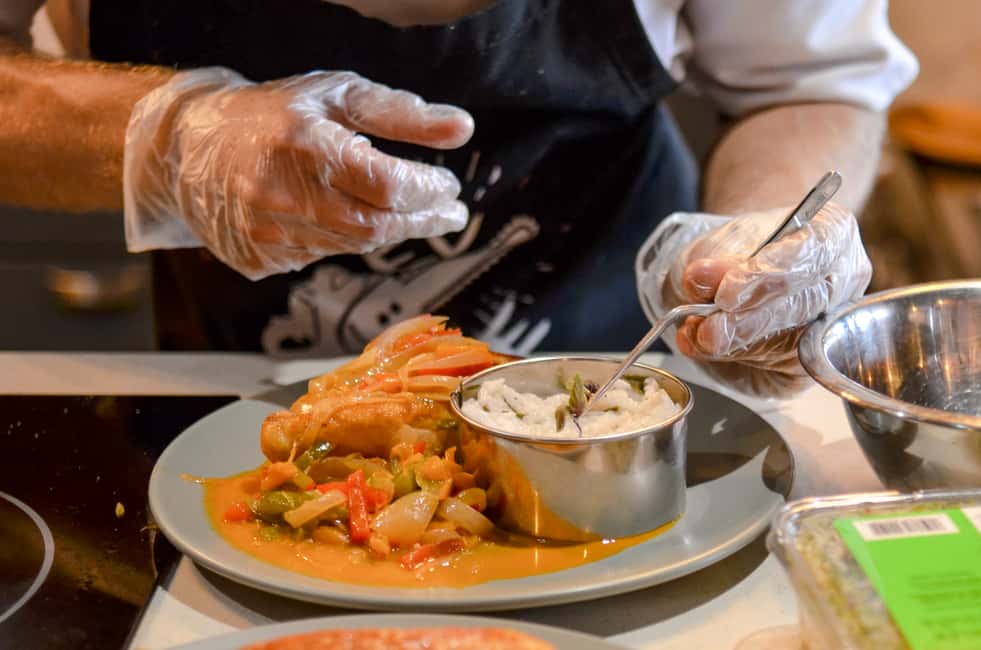
If you’re the type who remembers vacations by what you can actually cook again at home, this is a smart choice. You’re not just watching someone else work; you’ll handle the prep and learn the flow that turns simple local ingredients into a satisfying Caribbean meal.
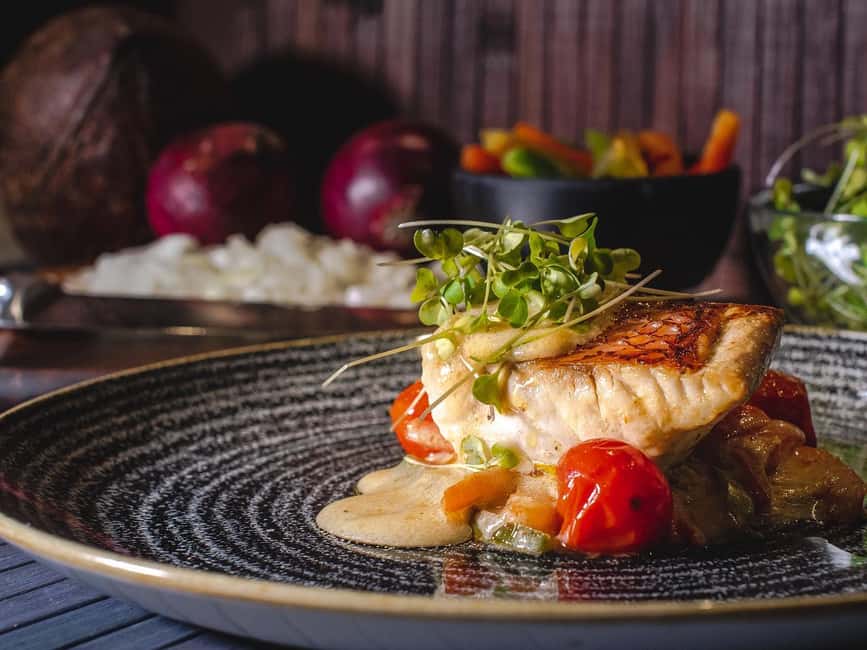
The star dish is chillo al coco, built around red snapper cooked in a coconut sauce. That pairing matters. Coconut sauce softens the fish’s richness, while peppers, onion, and garlic add heat and depth. Then you anchor the plate with cassava, plantain, and rice—starches that make the whole meal feel balanced instead of like a single dish stunt.
You’ll also get the cultural framing through Taino cooking techniques, so the experience isn’t only about taste. It’s about understanding why certain ingredients and methods show up again and again across Dominican food traditions.
You can also read our reviews of more shopping tours in Punta Cana



Getting There From Punta Cana: The Practical Part That Makes or Breaks the Day
The day starts with pickup from your Punta Cana-area hotel by air-conditioned minivan. This matters here because La Altagracia is not right next door to most resorts. You’ll want a clean, direct transfer so you can stay focused on cooking, not on figuring out transport.
The pickup details are straightforward but strict:
- You should wait in the lobby about 10 minutes before the scheduled pickup.
- The driver will wait no longer than 5 minutes after the pickup time.
Also pay attention to the service area. Free transport is included only for the Bávaro/Punta Cana zone. If you’re staying in Uvero Alto, there’s an extra charge for pickup.
One small timing reality: one guest report mentioned the class running longer than scheduled due to an additional shop stop on the route. So if you’re working with a tight dinner plan later that night, build in a little buffer.
Inside the Kitchen: Taino Techniques and the Structure of the Lesson
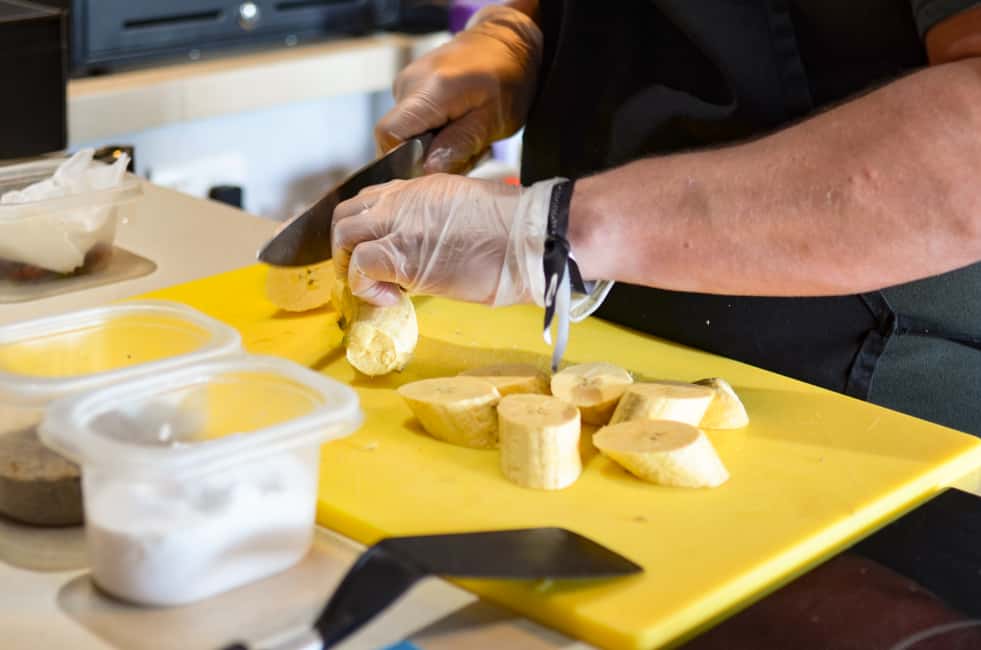
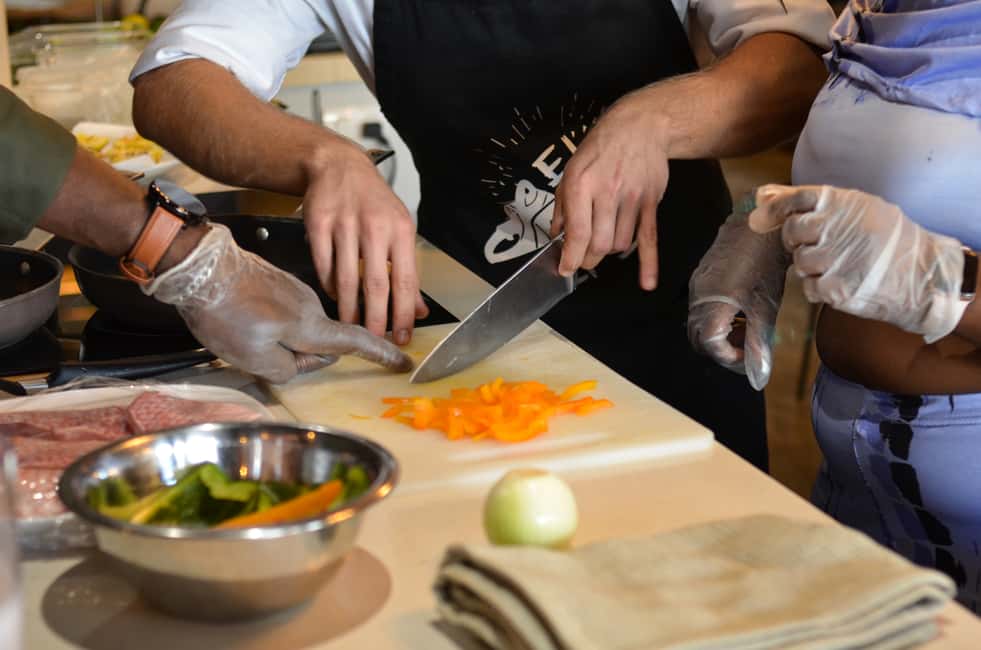
Once you arrive, the class is set up as a true cooking workflow. You’ll move through stages, from fish prep to coconut sauce to simmering and plating. That pacing is helpful because it mirrors how a home cook would actually build the dish—start with prep, create the sauce base, then let time do the final flavor work.
The teaching style leans hands-on, and the instructor language options are English and French. Many people learn better when they can ask quick clarifying questions in their comfort language, and that’s built in here.
In the feedback people shared, instructors were credited by name—Randy, Ruth, and Roody—and the common theme was patience and good energy while teaching. Translation: don’t worry about being the slow one. This is the kind of class where you’ll get support as you go, especially if you’re a beginner.
Step One: Red Snapper Prep With Aromatic Seasoning
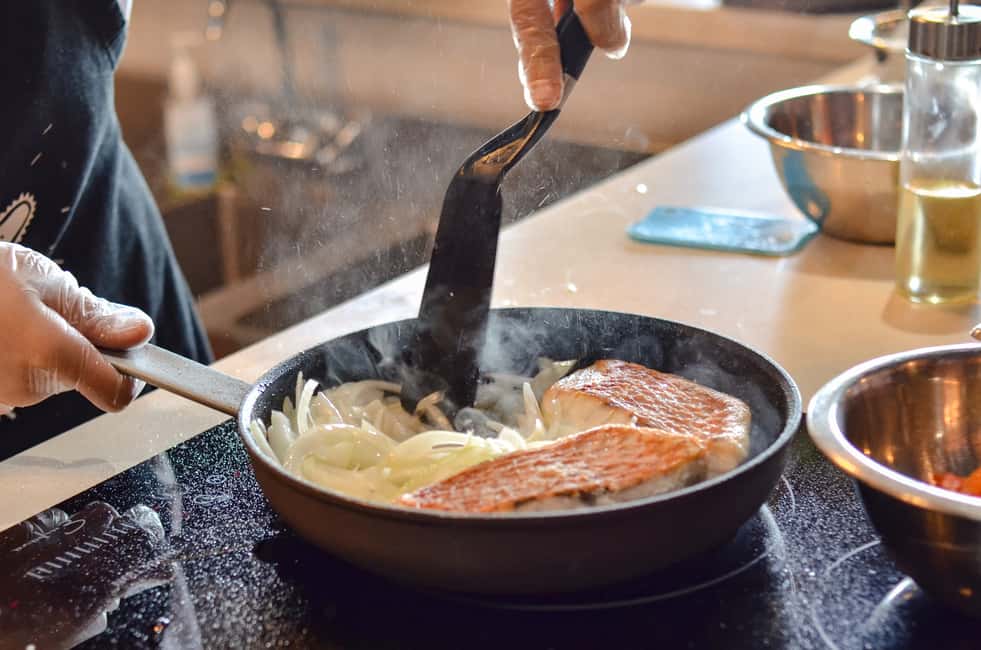
Your main ingredient is succulent red snapper, and the class begins with preparing it—cleaning and seasoning with aromatic herbs and spices.
Even if you’ve cooked fish before, this is where you’ll pick up local instincts:
- how the seasoning is handled before cooking
- how the fish is cleaned and ready for the sauce
- how long you need to plan for this stage so your sauce timing stays on track
Fish prep can be intimidating, but the format makes it manageable. You’re not thrown into chaos. You’re guided through the first steps, which helps you understand what happens before you ever taste anything.
Step Two: Coconut Sauce Made the Way It Should Be
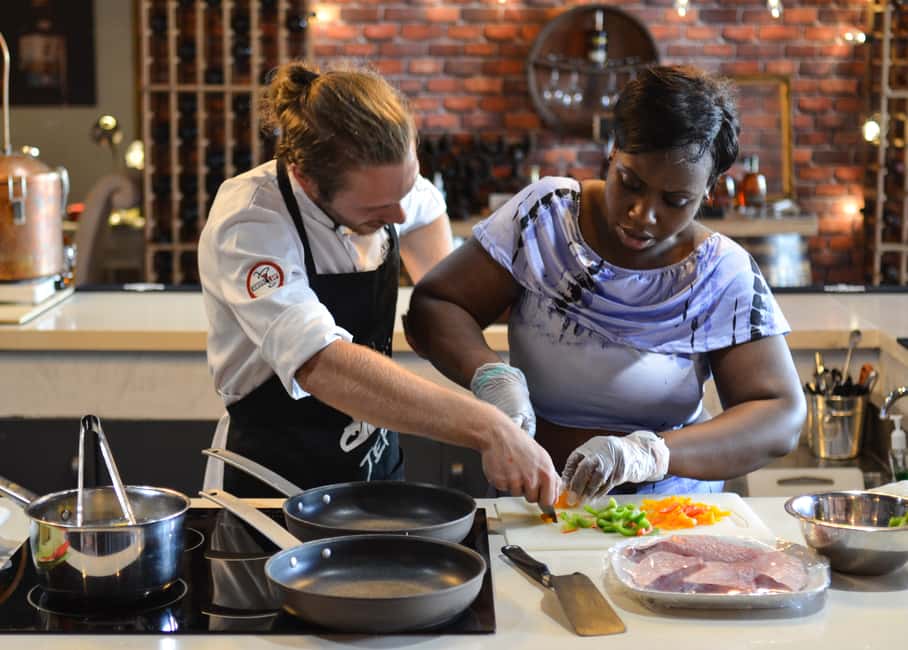
Now comes the part that makes this dish feel special: the coconut sauce. You’ll use freshly grated coconut to extract the milk, then cook it into a creamy base.
This is the core lesson for anyone who wants to cook Dominican-style food with confidence at home. Coconut sauce isn’t just coconut milk poured into a pan. The texture and flavor depend on how the milk is extracted and how the base is built.
To round out the sauce, you’ll add a mix of:
- peppers
- onions
- garlic
That combo is classic Caribbean logic: onion and garlic create a fragrant base, while peppers bring heat. Once the sauce is ready, it’s time for the simmer that pulls everything together.





Step Three: Simmering the Fish So the Flavors Meld
Here’s where the dish earns its name. After the coconut sauce is prepared, you add the fish and let it simmer until fully cooked.
Simmering is one of those cooking skills that’s easy to mess up if you don’t know what you’re aiming for. Too fast and the fish can tighten; too slow and the sauce can lose the creamy feel you worked for.
You’ll learn how to judge doneness as you cook, and you’ll see how the sauce clings to the fish instead of sliding off. That’s the difference between a dish that tastes good and one that tastes like it took real time.
The Full Plate: Cassava, Plantain, and Rice as Your Caribbean Base
After the fish is cooked, you don’t just get the sauce and call it done. You pair chillo al coco with cassava, plantain, and rice.
This is smart for two reasons:
- Balance: coconut sauce is rich, so you need starchy sides to make each bite feel complete.
- Local logic: cassava and plantain are not “extras.” They’re part of how Caribbean plates are built.
If you’ve only had coconut-based fish dishes in restaurants, this is where you’ll see the broader food system. You’ll get a better sense of how Dominican meals are designed around textures—creamy, starchy, and satisfying.
Taino Concept Store Stop: Culture You Can Touch, Not Just Talk About
The experience includes a Taino concept store element. That can be useful because it gives context beyond the kitchen: local crafts, food culture ideas, and a sense of place.
One caution based on guest experience: there can be extra time on the route due to a shop stop. If you love browsing and you’re not on a strict schedule, that’s usually fine. If you’re trying to catch a specific evening plan, keep your timing flexible.
Instructors and Atmosphere: What Makes the Teaching Stick
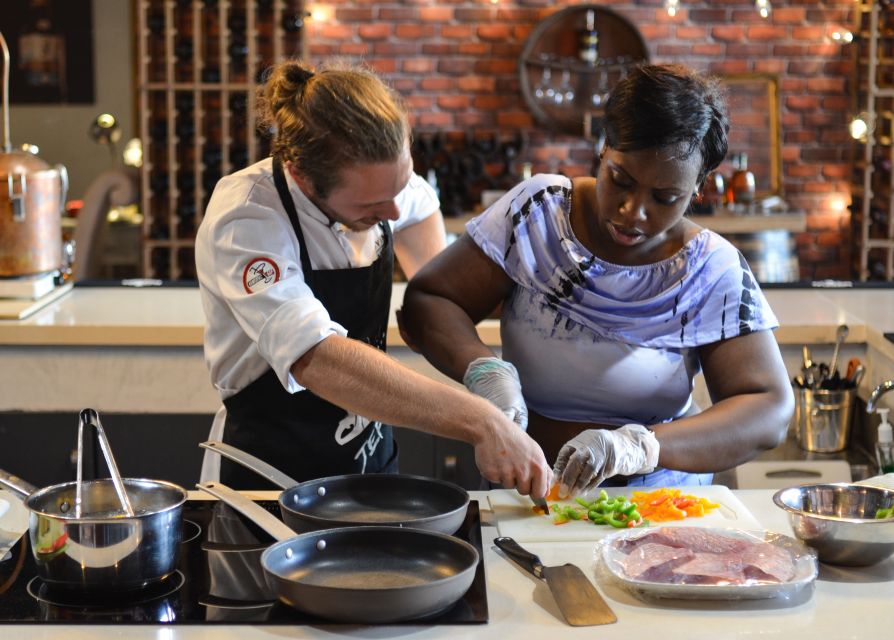
A cooking class lives or dies by the instructor. In this one, the small group size helps a lot. With a limit of 10 participants, you’re more likely to get individualized coaching when you hit a snag—like seasoning balance or figuring out when the sauce is ready.
Also, the course is described as suitable for all ages and for different skill levels. That lines up with the teaching feedback you want to see: patience, clarity, and a fun vibe that doesn’t punish you for asking basic questions.
If you’re traveling with family, this is the kind of class where kids can participate without feeling like they’re just sitting and waiting. And if you’re solo, the group size keeps you from feeling awkward. You’ll still be part of the process.
Price and Value: Is $98 Worth It for a One-Day Cooking Class?
At $98 per person, this isn’t the cheapest activity on the Punta Cana strip. But it does check several value boxes.
Here’s what you’re paying for:
- A full meal you help cook (not a tiny tasting)
- A specific Dominican dish with a real technique focus (coconut sauce + fish simmer)
- Instruction in English or French
- Hotel pickup and drop-off by air-conditioned minivan
- Local taxes
What’s not included is also clear: drinks and beverages. So the true cost depends on what you plan to drink during or after the class.
If you compare it to restaurant meals alone, the value improves fast because you’re not buying food; you’re buying skills you can repeat. You also get the cultural framing around Taino cooking techniques, which adds meaning to the meal.
My rule of thumb: this is worth it if you want a structured, hands-on experience and you’ll actually use the cooking lesson later. If you only want casual sightseeing with a quick snack, a full cooking class may feel like too much.
Logistics and Comfort: Small Details That Save You Stress
A few practical notes that matter once you’re traveling with your day planned:
- Bring an appetite. You’ll be working through stages and then eating what you make.
- Expect transport time. It’s a one-day outing, and you’re leaving the Punta Cana resort zone for La Altagracia.
- Know your pickup zone. Bávaro/Punta Cana is covered. Uvero Alto has an extra pickup charge.
- Drinks aren’t included. If you want a soda, juice, or something else, plan to pay for it separately.
And if you’re the type who hates surprises: double-check your payment confirmation when booking online. One guest report talked about a duplicate deduction and a refund issue, which is rare but worth watching for by keeping your receipts and being ready to follow up if something looks off.
If Something Goes Wrong: How the Class Handles Real-World Problems
Even well-run tours can hit snags. One example in the shared experiences was a power outage, which forced the class to stop. The handling was described as professional: they tried to find an alternative time, and when that wasn’t possible for guests leaving soon, they initiated a refund.
So if you’re worried about the class “losing the day,” you’re not completely at the mercy of the weather or the electricity. Still, assume the world is human-made. Keep your expectations flexible and your schedule calm.
Should You Book Chillo al Coco in La Altagracia?
Book it if you want:
- a hands-on Dominican cooking class that teaches real technique
- a full dish built around red snapper and coconut sauce
- a small-group experience where instruction feels personal
- a practical way to take home the flavors of the Caribbean
Skip or rethink if:
- you have a hard schedule later the same day and can’t absorb delays
- you’re not interested in cooking or don’t want the sides and full plate
- you prefer tours with minimal time in a structured activity
For most people staying in Punta Cana, this is a strong value move because you’re not just eating; you’re learning how to build the meal. And that’s the kind of souvenir you can actually use.
FAQ
Where does the class take place?
The cooking class is in La Altagracia, Dominican Republic.
What dish do you learn to make?
You learn to make chillo al coco, which is red snapper with coconut sauce, paired with cassava, plantain, and rice.
How long is the experience?
It lasts 1 day.
How much does it cost?
The price is $98 per person.
What’s included in the price?
Hotel pickup and drop-off, transport by air-conditioned minivan, and local taxes are included.
What is not included?
Drinks and beverages are not included.
What languages are the instructors?
The instructor speaks English and French.
Is it a small group?
Yes. The group is limited to 10 participants.
Does pickup cover all resort areas in Punta Cana?
Free transport is included only in the Bávaro/Punta Cana area. If you’re in Uvero Alto, there is an extra charge for pickup.