REVIEW · PUNTA CANA
Discover Dominican life
Book on Viator →Operated by Concept Tours Punta Cana - Private Day Tours · Bookable on Viator
Forget the resort bubble; meet Dominican everyday life. This 9-hour Punta Cana experience focuses on real hands-on making and local connections, not just photos on a checklist. You’ll spend the day around Anamuya, where coconut oil, coffee, cocoa, and cigar culture are part of daily life.
I especially love the hands-on tastings and production stops, including rolling your own cigar and sampling the flavors from coconut oil to cacao. I also like that the day includes a visit to an atypical school with a donation moment, so you see people, not just products.
One consideration: it’s an active day in warm weather, so expect you’ll be out and moving and you may sweat. Also, the school stop can feel a bit interrupted since groups come through, so keep your tone calm and your expectations realistic.
In This Review
- Key highlights you’ll care about
- Anamuya: where Dominican products start (not where they’re sold)
- The morning in production mode: coconut oil, coffee, cacao, and cigar rolling
- The tastings: how to make sense of flavor on the road
- The atypical school visit and donation moment
- Lunch included: the easiest way to get value without losing time
- Getting there: pickup, an air-conditioned ride, and a small-group pace
- Guide team names you might meet in the flow
- Price and value: what $115 buys you in real terms
- Who should book this Dominican local life day
- The small-group difference you’ll feel all day
- Should you book Dominican Life in Punta Cana with Concept Tours?
- FAQ
- Where does this tour take place?
- What’s the duration of the experience?
- What time does the tour start?
- Is pickup included?
- What’s included for food and drinks?
- What will I do during the Anamuya visit?
- Is there an admission fee at the Anamuya stop?
- How large is the group?
- Can most people participate, and are service animals allowed?
- What is the cancellation policy?
- What if the tour is canceled due to minimum travelers?
Key highlights you’ll care about
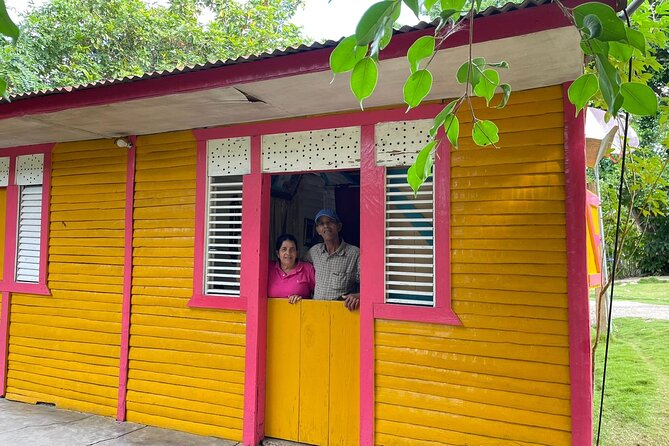
- Coconut oil, coffee, and cocoa production in one place, with real context behind the ingredients
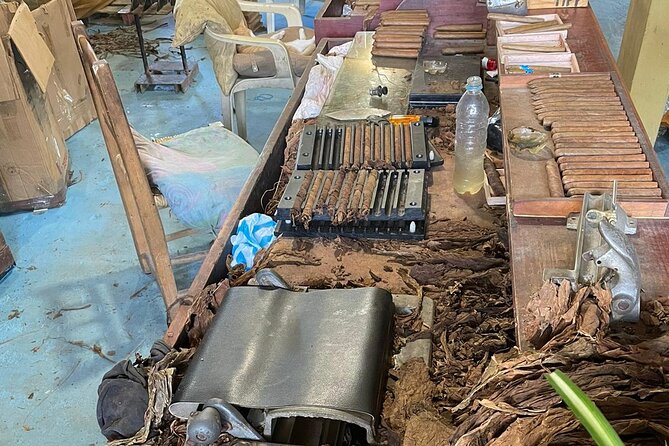
- Roll your own cigar during the visit to the artisanal factory
- Small group size (maximum 15 people) for more conversation and less waiting around
- Typical Dominican lunch and drinks included so you don’t waste half the day hunting food
- School visit with donation distribution, a human moment beyond souvenirs
Anamuya: where Dominican products start (not where they’re sold)
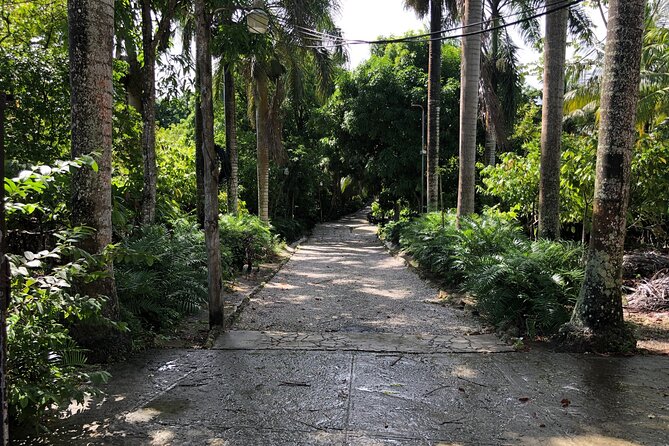
Punta Cana can feel like one big hotel map. This tour swaps that vibe for a quieter look at how Dominican families produce goods they actually use, sell, and pass down.
Your day is anchored around Anamuya, where coconut oil, coffee, and cocoa aren’t just brands on shelves. You’re there to understand how the work happens and what people do with it. That’s the main value: you’re learning the process, not just watching a quick demo and moving on.
You’ll also get a sense of how tourism can fit in without taking over. One of the best parts here is that the experience stays small, so you’re more likely to ask questions and get real back-and-forth.
You can also read our reviews of more tours and experiences in Punta Cana.


The morning in production mode: coconut oil, coffee, cacao, and cigar rolling
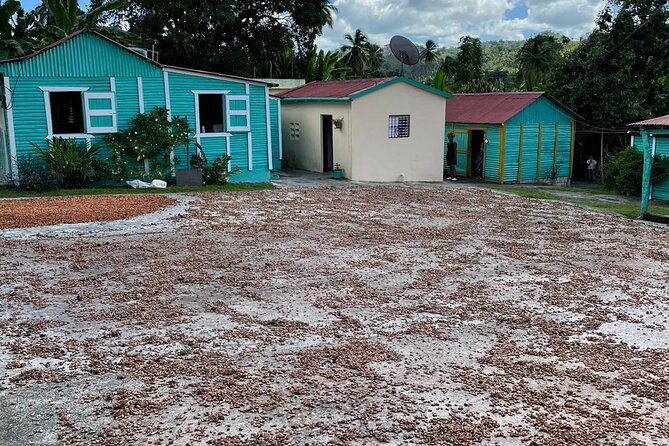
The heart of the day is an artisanal production stop focused on three flavors of the Dominican Republic: coconut oil, coffee, and cocoa. This is the kind of visit where you’ll hear how raw materials turn into something useful, and you’ll likely get to taste what comes out the other end.
Coconut oil is more than a souvenir smell. It’s connected to everyday habits, from cooking to personal care, and that practical angle is part of the appeal. Coffee and cocoa are the other pillars, and you’ll see how they’re processed in a small-scale way that feels closer to tradition than to factory speed.
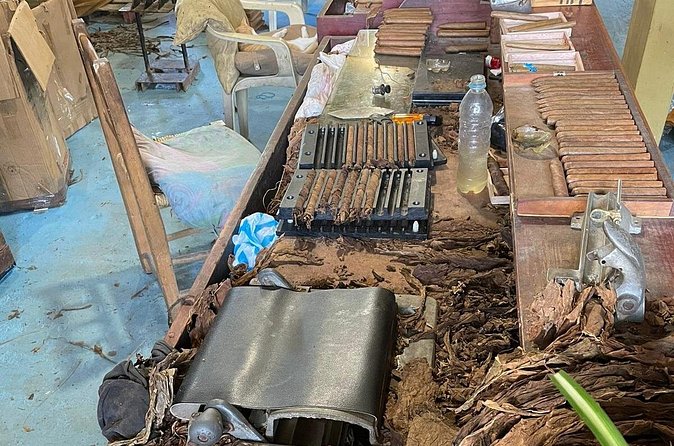
Then comes the step many people remember first: rolling your own cigar. It’s not about being perfect. It’s about trying the craft and understanding the ritual around it—hands-on, with the guide staying close so you can actually follow along.
A heads-up: expect some warmth and movement. Even if the production areas aren’t physically hard, you’re outdoors or in open-air spaces often enough that comfort matters.
The tastings: how to make sense of flavor on the road
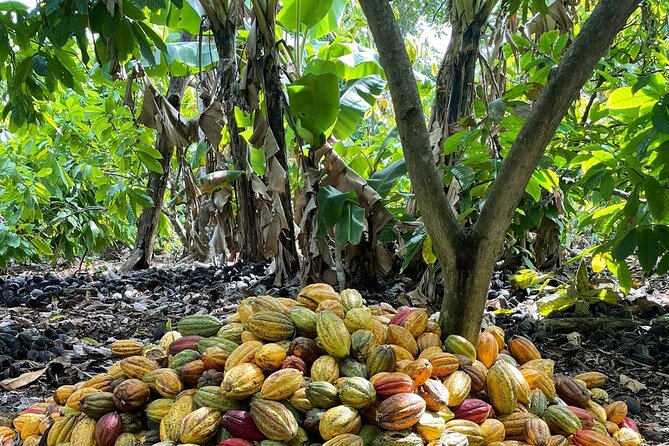
This kind of tour works best when you treat tastings like mini fieldwork. Instead of just gulping and moving on, I’d slow down and compare what you notice.
For example:
- With coffee and cocoa, pay attention to aroma before taste. If the scent hits first, the flavor usually follows with less surprise.
- With coconut oil, notice the texture or mouthfeel. It’s a different kind of product than coffee or cocoa, and that contrast is part of the learning.
Also, the day includes coffee and/or tea, so you get a second chance to reset your palate. That helps if you’re sensitive to strong flavors or if you want to keep energy up after the production visits.
The atypical school visit and donation moment
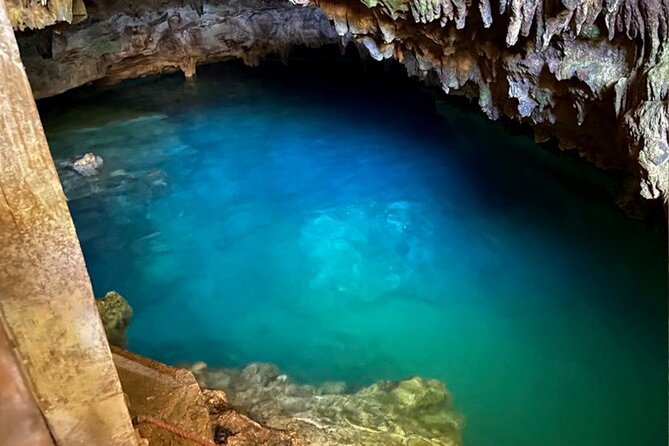
One stop adds emotional weight: a visit to an atypical school where donations are distributed. This isn’t a box-check cultural lesson. It’s a chance to see how community support works in real time.
How you handle this matters. Keep your interactions respectful and brief if the students are being moved through a group flow. If you’re the sort of person who wants to linger and talk, pace yourself so you don’t create extra disruption.
It’s also worth knowing that one concern raised by a previous group was that the children can be interrupted by daily visits from tour groups. That means your best move is to approach calmly, avoid big performances, and let the moment be about gratitude and support rather than attention.
If you want a more hands-on meaning, keep your expectations grounded. This is about presence and respect, not about “fixing” anything.
Lunch included: the easiest way to get value without losing time
You’re getting lunch: a typical Dominican meal and drinks are included. That sounds simple, but it’s practical in Punta Cana, where “nearby” restaurants can cost almost as much as the tour and still don’t save time.
The lunch also helps you enjoy the day. You’ll be active, you’ll taste things, and you’ll likely want energy that’s not just snacks. A traditional meal makes it easier to connect the food you’re tasting (coffee, cocoa, coconut) with what people actually eat.
Because the tour runs about 9 hours, having lunch in the middle prevents the all-day hangry spiral that can ruin good cultural days.


Getting there: pickup, an air-conditioned ride, and a small-group pace
The tour includes pickup, and you’ll ride in an air-conditioned vehicle. That matters more than people think, especially if you’re starting at 8:00 am and traveling under strong sun later.
The itinerary length is roughly 9 hours, and the experience is designed around small groups, with a maximum of 15 people. That cap is a quiet quality upgrade. When groups are smaller, guides can manage pace better and people aren’t left waiting while someone asks a long question.
In my book, the best indicator of a well-run local day tour is how it handles time between stops. Here, the structure is built to keep you moving without rushing through every moment.
Guide team names you might meet in the flow
This provider’s team shows up under a few names, and that’s a useful hint about how consistent the experience can feel.
Jeremy is the name that comes up often as a key guide, with Freddy also mentioned. In at least one case, Heloise was referenced as an English interpreter when the group needed language support. Daniel is another guide name you may see attached to Concept Tours experiences.
There’s also mention of Reynaldo Almanzar Cruz, known as Rey. If you’re booking based on communication style, this is one of the reasons I’d feel comfortable choosing this tour type: the team is actively connected to how the day works for different language needs.
You can’t assume you’ll get a specific person, but these names are a sign the company keeps the experience human and structured.
Price and value: what $115 buys you in real terms
At $115 per person, this isn’t a bargain “bus tour.” But it also isn’t the kind of luxury day where you’re paying for white gloves and quiet rooms. You’re paying for several things that add up fast on your own:
- Hands-on production time at artisanal spots
- Tastings tied to coconut oil, coffee, and cocoa
- Rolling your own cigar, which usually takes real attention and setup
- Lunch and drinks, so you don’t spend your day on food logistics
- A small group limit (15 people), which affects how much interaction you get
- Pickup and an air-conditioned ride, which saves you from car-hunting
Also, it’s booked on average about 45 days in advance, which usually means the time slots can fill and your best odds of fitting it into a short Punta Cana schedule improve if you reserve early.
In plain terms: if you want local crafts with actual participation and you like structured day learning, the price starts to make sense. If you only want passive sightseeing from a van window, you’ll feel the cost more than the value.
Who should book this Dominican local life day
This tour is a strong match if you:
- Want to learn how Dominican products are made, not just see them in stores
- Like hands-on activities, especially cigar rolling and tastings
- Prefer smaller groups and more conversation
- Appreciate cultural days that include a real community stop (the school visit and donations)
It can be less perfect if you:
- Hate warm, active days outdoors
- Don’t like emotionally sensitive visits where groups pass through quickly
- Want a full day of purely sightseeing with minimal “process and tasting”
The small-group difference you’ll feel all day
One theme that matters here is pace. You’re not being herded through a mass circuit. The day is built to slow down just enough for exchange: questions, small talks, and a bit of learning that sticks.
That’s also why the school stop lands differently than a museum stop. You’re in an actual community setting, and you’re being asked to behave like a respectful visitor rather than a camera operator. Do that well, and the day feels more meaningful.
And if you’ve got even a small curiosity about coffee, cocoa, or coconut products, this tour gives you context fast. You’ll understand why those flavors matter to local routines.
Should you book Dominican Life in Punta Cana with Concept Tours?
If your Punta Cana trip already has beach time covered, this is the kind of day that gives your memory balance. I’d book it if you want a real Dominican products day with participation, plus a community moment that goes beyond entertainment.
I’d think twice if you’re seeking a low-energy day or if you’d feel uneasy with the realities of a school visit in a tourist-supported environment. In that case, you might prefer a more strictly “craft only” outing.
For most people who want authentic, hands-on Dominican life in limited time, this one is an easy yes.
FAQ
Where does this tour take place?
It’s based in Punta Cana, Dominican Republic.
What’s the duration of the experience?
It lasts about 9 hours.
What time does the tour start?
The start time is 8:00 am.
Is pickup included?
Pickup is offered.
What’s included for food and drinks?
You get lunch with a typical Dominican meal and drinks, plus coffee and/or tea.
What will I do during the Anamuya visit?
You’ll learn about artisanal production of coconut oil, coffee, and cocoa, and you can roll your own cigar.
Is there an admission fee at the Anamuya stop?
The admission ticket for the Anamuya stop is listed as free.
How large is the group?
The maximum group size is 15 travelers.
Can most people participate, and are service animals allowed?
Most people can participate, and service animals are allowed.
What is the cancellation policy?
Free cancellation is available up to 24 hours in advance for a full refund. If you cancel less than 24 hours before the start time, the amount paid isn’t refunded.
What if the tour is canceled due to minimum travelers?
If it’s canceled because the minimum number isn’t met, you’ll be offered a different date/experience or a full refund.