REVIEW · PUNTA CANA
Horses, Buggy, and plantation in Chocaci Ranch
Book on Viator →Operated by Wanne punta cana · Bookable on Viator
Chocolate, coffee, and a cigar in two hours. I love the hands-on way I got to make coffee and chocolate from the plantation work, and I also love the heart behind the place, including rescued dogs and cats cared for by the family. One thing to keep in mind: animal welfare can vary at small ranches, so it’s smart to look at the horses’ condition before you saddle up.
This is a real family operation in Punta Cana’s orbit, not a factory tour. I went through the process of growing/processing coffee, cacao, and tobacco, with guide-style teaching from people like Aaron and Michel, and help from the crew (including Chris, who shows up as a guide/photographer in accounts I saw). There’s pickup included, and the group stays small, capped at 20.
If you want a quick, hands-on cultural stop between the beach days, this fits. I’d just plan for no full meal included, and expect the experience to be more farm work and craft-making than lounging and scenic sightseeing.
In This Review
- Key Things I’d Prioritize
- Rancho Chocaci: A Family-Run Plantation That Feels Like Real Life
- Getting There Smoothly: Pickup and a Simple Two-Hour Plan
- Horses and Buggy Ride: Fun, But Check the Details
- Stop 1 at Rancho Chocaci: The Plantation Tour With Coffee, Cacao, and Tobacco Basics
- Making Chocolate: From Cacao Pods to Something You Can Actually Taste
- Brewing Coffee: Roast, Grind, and Sip the Real Stuff
- Rolling Your Own Tobacco: The Craft Part Everyone Remembers
- Rescued Animals and the Ranch’s Community Side
- What You’ll Actually Get: Included Items and What to Bring
- Price and Value: $115 Per Group for Two Hours of Real Work
- Who Should Book This Tour (and Who Might Skip)
- Should You Book Horses, Buggy, and Plantation at Chocaci Ranch?
- FAQ
- How much does the tour cost?
- How long is the experience?
- Is pickup included?
- What’s included in the price?
- Are meals included?
- How many people can be on the tour at once?
- Do I need to print anything?
- Are service animals allowed?
- Can I help with the rescued animals?
- What is the cancellation policy?
Key Things I’d Prioritize
- Hands-on coffee and cacao processing, not just a look-and-leave tour
- Cigar rolling and tobacco prep with step-by-step instruction
- Small group limit (20 max) for a more personal pace
- Family-run ranch vibe, with rescued cats and dogs on-site
- Pickup + air-conditioned vehicle so you lose less time to logistics
Rancho Chocaci: A Family-Run Plantation That Feels Like Real Life
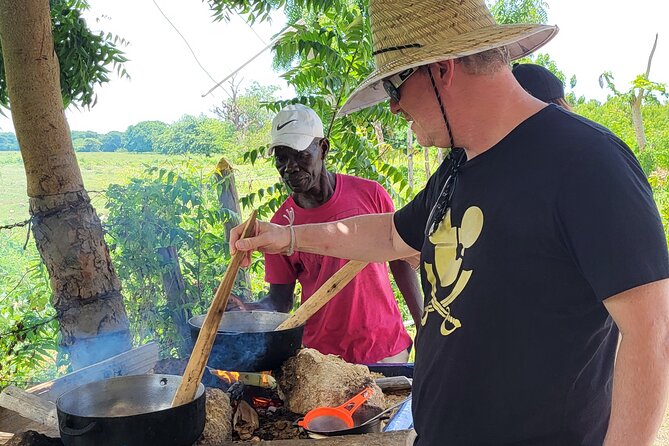
Rancho Chocaci is one of those tours where you stop thinking of it as a “thing to do” and start thinking of it as a day on a working ranch. The focus is the farm side of the Dominican Republic: coffee, cacao (the chocolate-making ingredient), and tobacco, all tied to the rhythms of how these crops are actually handled.
What makes it especially interesting is how much of the work is shown from scratch. You’re not just watching someone else do it. You peel, you grind, you mix, you roll—at least in the parts the ranch uses for teaching visitors. That’s where the value shows up, because the time flies when you’re doing the steps instead of sitting still.
And then there’s the family angle. This isn’t described as a corporate operation. It’s described as family-run, supported by community members who rely on the ranch profits. I like that for you, because it changes the tone: you’re meeting people and learning a process tied to daily life, not browsing a performance.
You can also read our reviews of more tours and experiences in Punta Cana
Getting There Smoothly: Pickup and a Simple Two-Hour Plan
This tour runs about 2 hours, which matters more than you’d think. In Punta Cana, time is the expensive part—extra transfers and long drives can turn a good idea into a half-day nap. Here, the timing stays tight, and you get round-trip pickup.
They use an air-conditioned vehicle, and there’s WiFi on board. You’ll get a guide in the vehicle and on the ranch, and the tour is small enough (max 20) that you’re less likely to feel like you’re in a cattle chute.
You’ll also use a mobile ticket, which is handy because it cuts down on paper fuss. If you like a plan that feels simple, this one fits.
Horses and Buggy Ride: Fun, But Check the Details
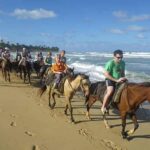
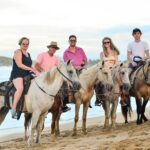
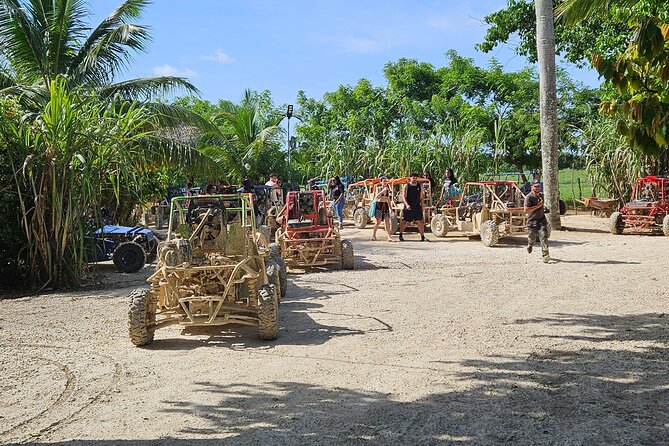
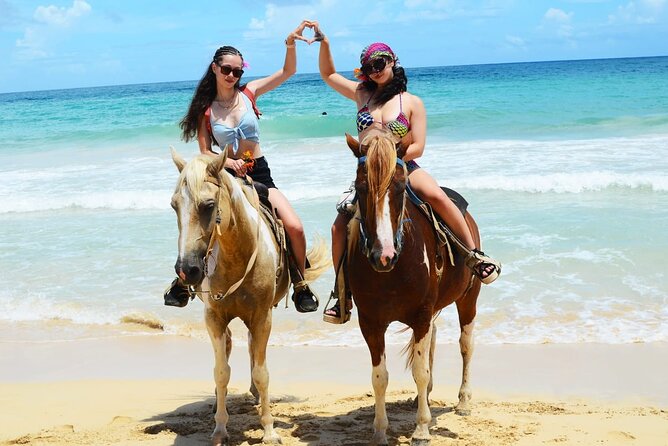
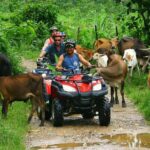
The experience includes horse and buggy elements, and that’s a big draw. When horses show up in an excursion like this, it usually means you’re traveling between the main areas of the property and maybe getting a beach-side moment too.
I’d treat the horse portion like a quick safety check and an animal-welfare check. One account flagged horses that looked tired and neglected, which is a real consideration. The right move is to look at the animal before you climb on and ask how the ranch cares for the horses. If something seems off, you can still enjoy the rest of the tour without forcing the horse ride.
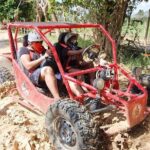
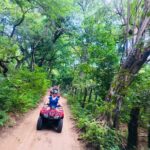
The buggy part (where included in the experience) is generally there to connect stops efficiently without you walking long distances. Just keep in mind that this is still a working ranch environment—so expect dust, heat, and normal farm-floor unpredictability.
Stop 1 at Rancho Chocaci: The Plantation Tour With Coffee, Cacao, and Tobacco Basics
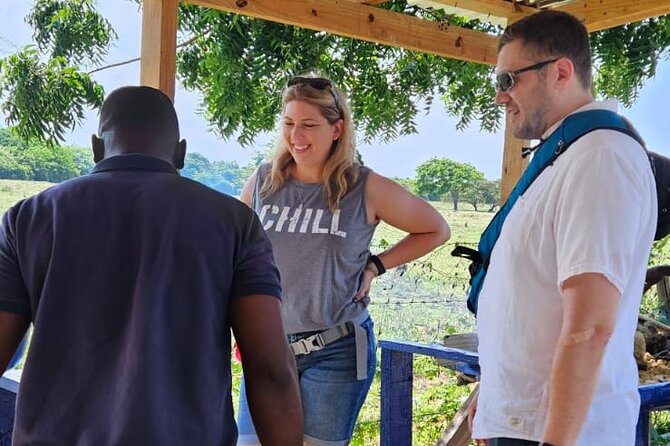
At the first stop, you’re welcomed into Rancho Chocaci, described as a ranch full of adventures across the coffee, cacao, and tobacco plantation. The point here is orientation: what the crops are, how they’re handled, and how the process connects to what you’ll actually taste or make later.
This stop is also where the ranch’s animal-friendly side comes in. Cats, dogs, pigeons, and other pets are described as welcome on the property. That can be charming, especially if you like seeing life beyond resort walls.
Then comes the “from scratch” teaching. The tour is structured around learning how coffee, cacao, and tobacco are made—not in a vague way, but as a chain of steps. You get to see the workflow tied to each product, which helps the later hands-on parts make sense.
One practical note: if the ranch asks you to bring milk or food for the rescued animals, that’s not just a nice gesture. It supports their daily care. Even if you only bring something small, it’s a meaningful way to participate.
Making Chocolate: From Cacao Pods to Something You Can Actually Taste
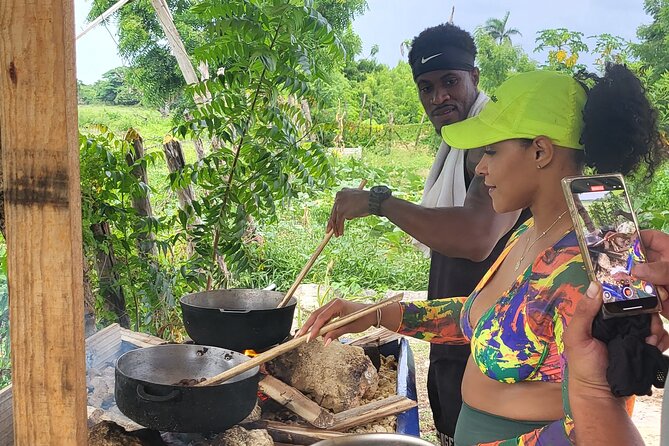
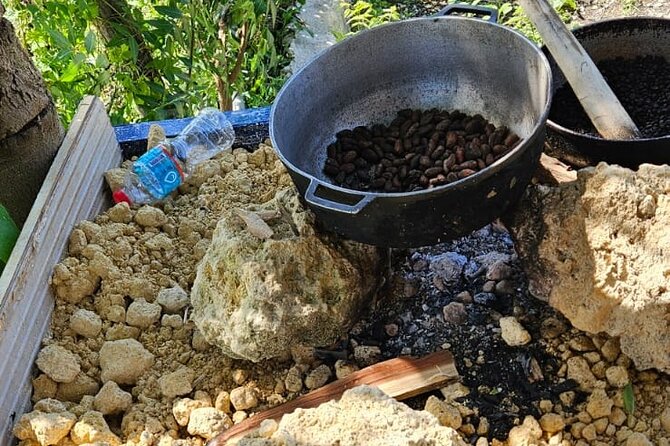
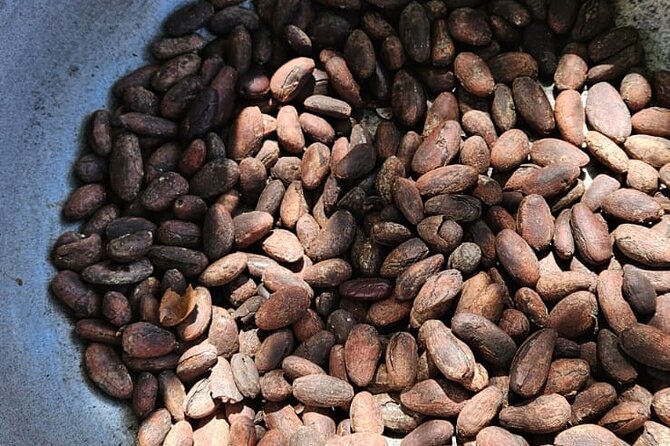
The chocolate part is one of the most rewarding sections because you can connect the dots between the plant and the product. The experience includes peeling cacao, then grinding the cacao using the same cacao from the plantation.
After the cacao work, you’ll make chocolate. The big win is that you’re not just tasting a premade bar. You’re experiencing the transformation—hands on, in a way that makes you understand why cacao tastes the way it does and why it needs careful steps.
This is also a great stop if you’re traveling with people who prefer practical activities over passive tours. Rolling, grinding, and mixing turns the heat and humidity into something you manage rather than something that wears you down.
If you’re a chocolate fan, do yourself a favor: pay attention to what the guide says during the steps. It’s not just theater. It’s the actual logic of the process.



Brewing Coffee: Roast, Grind, and Sip the Real Stuff
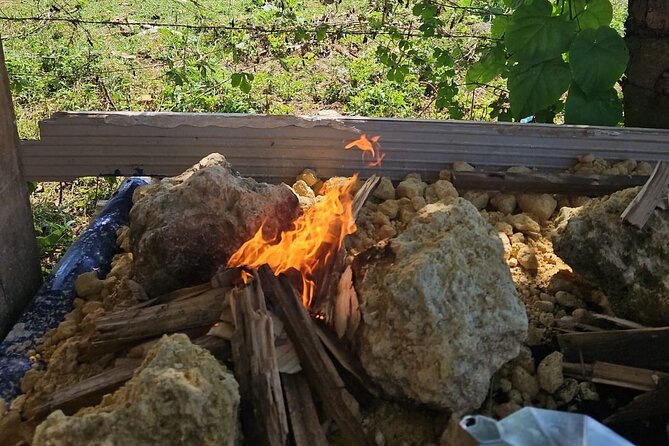
Coffee is handled similarly, with the tour focusing on process and tasting. You’ll see how the beans are prepared and then you’ll do your part in grinding and making.
This is where the coffee-and-tea inclusion really matters. Many tours offer a quick sip and call it “tasting.” Here, the tasting has context, because you saw (and participated in) the steps that lead to the flavor.
I liked the pace: you’re not thrown into chaos. You get clear demonstrations, then you move through your portion of the work. If you’re someone who wonders how coffee goes from plant to cup, you’ll leave with a much tighter mental picture than you had before.
And if you’re bringing home a craving, you’ll probably understand why local coffee can taste stronger, darker, or more intense than the blends you’re used to back home.
Rolling Your Own Tobacco: The Craft Part Everyone Remembers
Tobacco and cigars are the hands-on craft section. The tour includes rolling tobacco (and rolling cigars is described in the experience), guided step by step by the ranch team.
This part is surprisingly fun even if you don’t smoke. You’re learning a skill—how leaves work, how tightness affects the roll, and how the mixture and handling differ from what people imagine. It’s also a memorable souvenir because you’re not buying it off a shelf first.
Guides like Aaron and the team (names such as Chris and Michel show up in accounts of how the tour flows) are described as friendly, instruction-focused, and not pushy. That matters because cigar tours can sometimes feel salesy. Here, the tone is described as comfortable and guided.
If you’re concerned about the smell or the idea of tobacco, it’s fine to watch and participate lightly. Still, rolling once is a good way to understand the process without needing to turn it into a lifelong hobby.
Rescued Animals and the Ranch’s Community Side
One of the most heartwarming parts is the ranch’s animal rescue. The ranch describes rescuing dogs and cats from the streets and welcoming pets on-site.
If you’re considering the tour, this is worth planning for. If they ask you to bring milk or any food they’d like, do it if you can. It’s not a “send you home with guilt” pitch; it’s presented as a pleasure to help, and it connects your visit to the ranch’s real needs.
This ranch also ties into community support. Profits from the ranch are described as supporting community members. That’s a key value for you because it gives your time a purpose beyond your personal photo roll.
What You’ll Actually Get: Included Items and What to Bring
Included items are straightforward:
- Guide
- Coffee and/or tea
- WiFi on board
- Air-conditioned vehicle
Meals aren’t included, so don’t plan this like a full day buffet. Bring a snack or plan an easy meal after the tour. If you’re sensitive to heat, carry water in your day bag too.
What to wear: think farm-casual. Light clothing, closed-toe shoes, and sun protection help. You’ll be outdoors enough to feel the Punta Cana sun, even if the schedule keeps it to two hours.
If you want photos, ask early about taking pictures as part of the ranch experience. In accounts I saw, Chris shows up as a photographer, which suggests you might get help capturing the steps and results.
Price and Value: $115 Per Group for Two Hours of Real Work
The price is listed as $115.00 per group (up to 2), and that’s a big clue to the value. For a couple, that can pencil out to about $57.50 per person for around two hours with pickup, a guide, air-conditioned transport, and coffee/tea.
More importantly, you’re not only paying for access. You’re paying for instruction and hands-on time across three areas: coffee, cacao, and tobacco. That’s a rare mix in Punta Cana day trips, where many “cultural” stops are one craft, one quick tasting, and then back to the bus.
Where the price might feel less worth it is if you’re expecting a full meal or a long beach stop as part of the main value. Since meals aren’t included, you’ll likely spend a bit more later anyway.
Also, one account flagged that gift shop pricing can feel high. That doesn’t mean the tour isn’t good. It just means you should treat purchases as optional, not as the main point.
Who Should Book This Tour (and Who Might Skip)
This works best for you if you want more than beaches and resort pools. You’ll probably like it if you enjoy food processes, hands-on activities, or learning how crops become everyday products.
It’s also a strong pick for families, since the activities are described as interactive and fun, and the ranch environment includes animals you may see up close.
If you’re the kind of person who hates any animal contact at all, or if animal welfare concerns would ruin the day, you should think carefully about the horse portion. You could still consider the tour if you’re comfortable adjusting your participation to match what you see on arrival.
Finally, if your schedule is tight and you only have room for a two-hour experience, this fits that window nicely without swallowing your whole day.
Should You Book Horses, Buggy, and Plantation at Chocaci Ranch?
I’d book it if you want a short, hands-on plantation experience that goes beyond a quick photo stop. The mix of coffee, cacao chocolate, and tobacco rolling (with pickup and included coffee/tea) is a solid value for the time.
I’d also book it if you care about small, family-run places and want to see how community-linked farming actually works. The rescued animal side adds meaning, especially if you bring milk or food if they request it.
Just go in with one practical mindset: check the horses’ condition and don’t ignore your instincts. If the animal setup doesn’t look right, choose how you participate, and focus on the craft and tasting parts that are still the core of the ranch.
If you want a two-hour Dominican Republic day that feels real and gets your hands involved, Rancho Chocaci is a strong bet.
FAQ
How much does the tour cost?
It’s $115.00 per group (up to 2).
How long is the experience?
It lasts about 2 hours.
Is pickup included?
Yes, round-trip pickups are included.
What’s included in the price?
You get an air-conditioned vehicle, a guide, WiFi on board, and coffee and/or tea.
Are meals included?
No, meals are not included.
How many people can be on the tour at once?
The tour has a maximum of 20 travelers.
Do I need to print anything?
No. You’ll use a mobile ticket.
Are service animals allowed?
Yes, service animals are allowed.
Can I help with the rescued animals?
If you have milk or any food they’d like, bring it. The ranch says it would be a pleasure.
What is the cancellation policy?
Free cancellation is available up to 24 hours in advance for a full refund. If you cancel less than 24 hours before the start time, the amount paid isn’t refunded.