REVIEW · PUNTA CANA
Open Water Diver – Bávaro
Book on Viator →Operated by SeaKlub · Bookable on Viator
Learning scuba in Punta Cana sounds fun, and this course is built for structure: online theory, pool practice, then open-water training to 18 meters. You’re not just buying a boat day—you’re working toward an international PADI or SSI certification that lasts for life.
I like two things most. First, the package is clearly laid out: 5 online theory chapters, 5 pool sessions, and 4 open-water sessions. Second, you’re capped at a small group of up to 8 people, which usually means more hands-on attention.
One possible drawback: real ocean conditions matter. If you’re prone to seasickness, you’ll want a plan, because one past participant reported feeling sick shortly after boarding.
In This Review
- Key takeaways before you go
- Open-Water Certification in Bávaro: What the 3 Days Cover
- Theory That You Do Online (and Why That Matters)
- Pool Sessions: Learning Control Before You Go Out
- In-the-Sea Sessions: The 18-Meter Goal Gets Real
- Instructor Impact: Alejandro and Pedro Marin
- Price and Value: Is $460 Fair for What You Get?
- Pickup, Timing, and How to Keep Your Day Smooth
- Who This Course Fits Best (and Who Should Think Twice)
- Practical Advice to Get the Best Results
- Should You Book This Open-Water Course in Punta Cana?
- FAQ
- What certification will I earn?
- Where does the course take place?
- How long is the course?
- What time does the course start?
- How many people are in the group?
- What’s included in the training?
- Is pickup included?
- What ticket type do I get?
- What happens if weather is bad?
- What’s the cancellation policy?
Key takeaways before you go
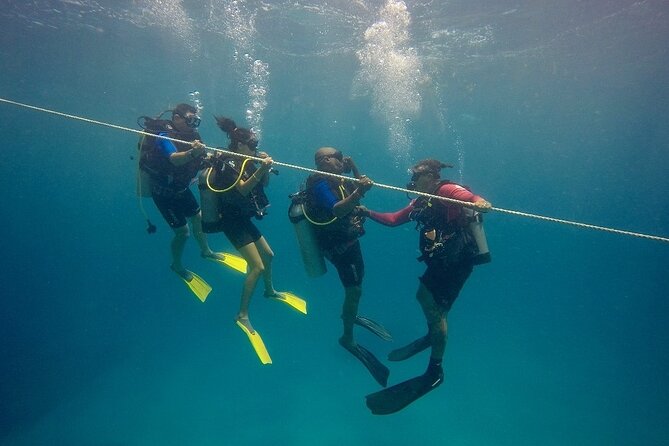
- Small group size (max 8) helps you get more time with your instructor.
- PADI or SSI certification means an international standard and a max depth of 18 meters.
- Full training package includes online chapters, pool sessions, and 4 open-water sessions.
- Motion sickness can be an issue on boat days—plan ahead if you’re sensitive.
- Instructor quality varies by person, and names like Alejandro and Pedro Marin have strong mentions in the feedback.
Open-Water Certification in Bávaro: What the 3 Days Cover
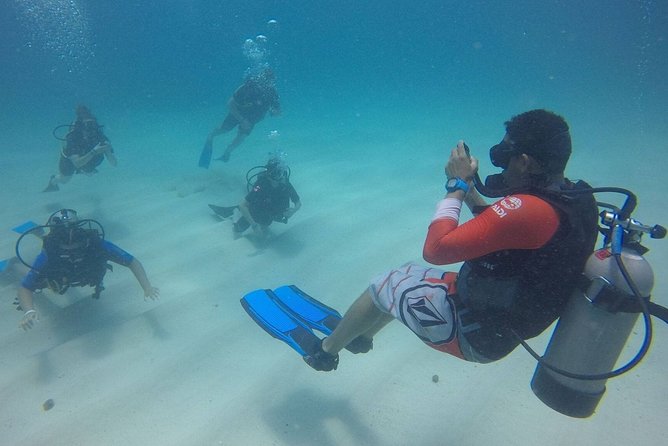
This Open Water Diver course in Bávaro, Punta Cana (Dominican Republic) is designed to get beginners to a real certification result—not just “try scuba once.” The whole course runs about 3 days, starting at 9:00 am, with the training set to a maximum depth of 18 meters.
The value here is that your progress is bundled. You’re not piecing together random classes, separate pool time, and then hoping the sea sessions line up. Instead, the course includes everything needed for the open-water level: online theory, pool skill work, and four open-water sessions.
One quick reality check: the training is weather-dependent. If sea conditions don’t cooperate, your sea day(s) may shift or the experience may be canceled and refunded or rescheduled. That’s not a surprise with ocean training—it’s just something to keep in mind if you’re tight on vacation days.
You can also read our reviews of more tours and experiences in Punta Cana.


Theory That You Do Online (and Why That Matters)
The course includes 5 online theory chapters. For you, this is a practical setup because it keeps the “class time” from eating every hour. Instead of only learning on the beach or in a group setting, you can knock out the learning on your schedule.
Why I like that for beginners: theory done in small bites can reduce panic later. When you understand buoyancy basics and safety rules ahead of pool time, you waste less energy figuring things out while you’re wearing gear. You’ll still have instruction in person, but you’ll show up with less guesswork.
You also get a clearer path to the certification outcome. The theory isn’t just background reading—it’s part of the organized route to PADI or SSI open-water certification with an 18-meter maximum depth.
Pool Sessions: Learning Control Before You Go Out
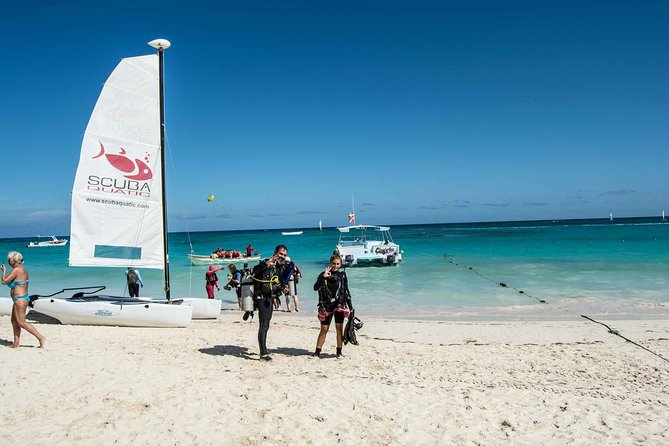
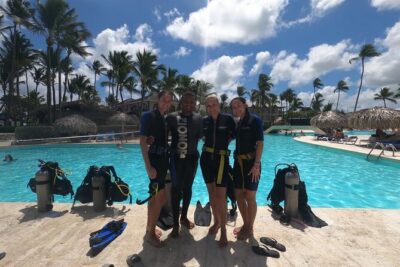
Included in the package are 5 pool sessions. This is where the course earns its keep. Pool practice is the moment you learn how to control breathing, body position, and basic skills without the ocean throwing new variables at you.
Even if you’re nervous, pool time is the right place to make mistakes. The goal is muscle memory: you practice tasks repeatedly until they feel less like a checklist and more like something you can handle calmly. If you’ve ever seen a panic spiral start underwater, you know why that preparation matters.
There’s also a clue about how training can feel when the instructor is invested. In one experience, an instructor named Alejandro let the student practice in the pool with a tank before the practical portion. That kind of extra comfort-building can make your first hands-on moments less intimidating.
In-the-Sea Sessions: The 18-Meter Goal Gets Real
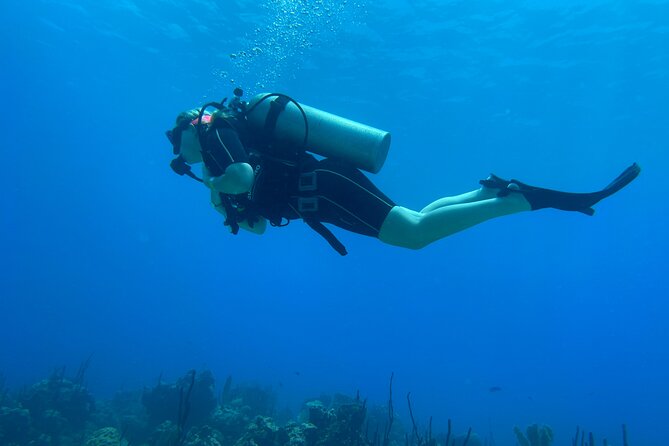
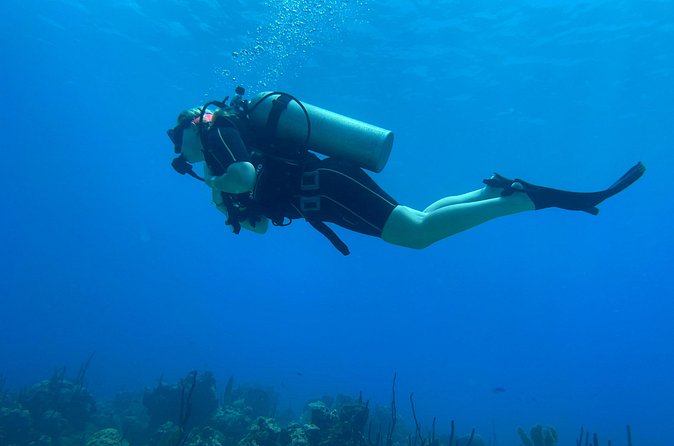
Your package includes 4 open-water sessions in the sea. This is where you connect the skills from pool practice to real water conditions—waves, depth changes, and more natural “stuff” in the environment.
The course is set for beginners with a maximum depth of 18 meters, and that limit is important. It gives you a defined target and prevents the training from jumping to advanced depth right away. You’re learning the system at a level that fits the certification.
Still, the sea introduces two big considerations for real people:
- Motion sickness risk: one past participant reported getting sick almost immediately after boarding and spending the day unwell, missing parts of what should have been a more normal outing. If you’re even slightly prone to seasickness, it’s worth preparing.
- Energy and comfort: pool sessions are controlled. On the water, you may feel colder, wetter, and more tired than expected. Bring a towel, keep gear dry where possible, and plan for the fact that you’ll likely be exhausted after each day.
In other words: the sea sessions are the payoff, but they’re also the part that depends most on your body and the day’s conditions.
Instructor Impact: Alejandro and Pedro Marin
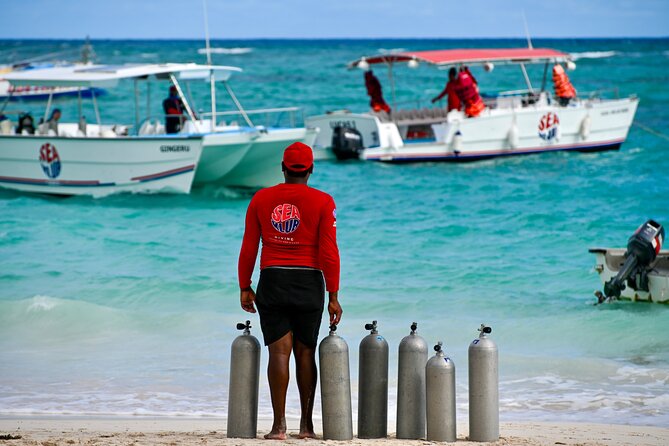
The course quality isn’t only about the syllabus. The human factor shows up fast in skill-based training like this.
Alejandro is one name that comes up with a positive detail: he helped a beginner get comfortable in the pool by allowing extra tank practice before the student moved into the practical portion. If you’re the type who learns better when you can build confidence step-by-step, that’s a good sign.
Another mentioned instructor is Pedro Marin. In one account, Pedro helped someone complete the course in about 2.5 days with strong theory explanations and four enjoyable sea sessions. That suggests two things you should care about: clear instruction in the classroom portion and calm guidance when you’re actually in the water.
If you’re booking and you have options in your mind, don’t just look at “PADI or SSI.” Look at who will teach you and whether your learning style matches theirs. If your comfort matters, names like Alejandro and Pedro Marin are the kind of details worth seeking.




Price and Value: Is $460 Fair for What You Get?
The price is $460.00 per person, for about 3 days of training. On paper, you’re getting a full package: 5 online theory chapters, 5 pool sessions, and 4 open-water sessions, plus an international certification (either PADI or SSI) with a lifetime certification status.
That’s the value argument: you’re paying for structured time, equipment use, and the coaching needed to pass. With skill courses, “cheap” often turns into extra costs later—extra lessons, extra practice time, or postponements. Here, the package is bundled, which can be more predictable for your budget and your schedule.
The one caution is that experience ratings are mixed. One account describes serious problems and claims about money, and another is about illness and losing the day. You should treat this as a sign to read everything carefully before you pay, confirm what’s included, and keep your booking details organized.
If you’re the kind of traveler who likes a smooth, no-surprises experience, you might want to plan a bit of buffer time in case something changes due to weather or scheduling.
Pickup, Timing, and How to Keep Your Day Smooth
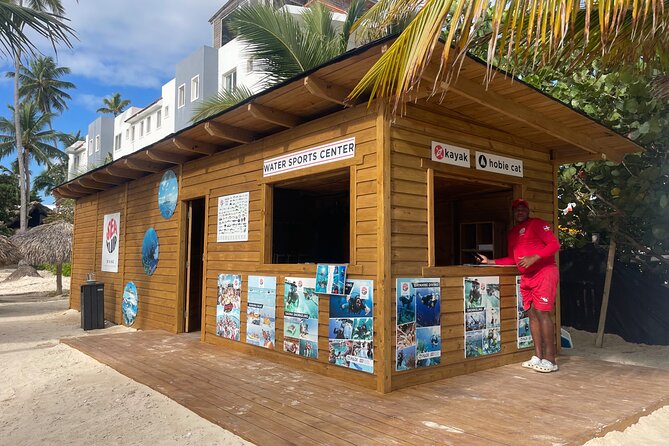
The tour includes pickup offered, and it starts at 9:00 am. Pickup matters because scuba courses chew up time fast: gear changes, paperwork, and the walk to the pool or dock all add up. Starting early also makes sense for sea conditions—later hours can mean rougher water or harder logistics.
Because you’ll likely be in and out of gear, arrive ready to move. Pack simple basics: a swimsuit underneath your clothes, a change of dry clothes, and something warm for after you’re done. A course like this is physically active, and you’ll feel it.
You’ll also receive a mobile ticket, which is handy because you won’t be hunting for paper. Still, double-check your confirmation details so you know exactly where and when you meet.
Who This Course Fits Best (and Who Should Think Twice)
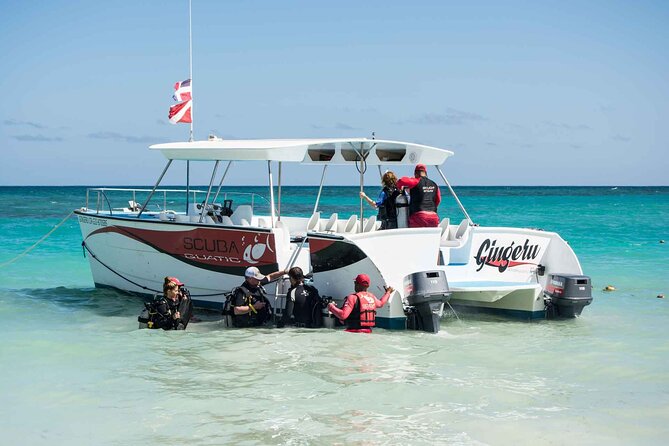
This course is for beginners who want a legit PADI or SSI Open Water Diver certification to a maximum of 18 meters. If you’re comfortable following instructions, you’re excited to learn hands-on, and you want a clear outcome, it fits well.
It may be a tougher choice if:
- You’re highly prone to seasickness. The ocean sessions involve boat time, and at least one past student reported being sick for most of the day.
- You want everything to feel perfectly calm and predictable. There are mixed comments, including one report that was extremely negative about the company process. That doesn’t automatically mean your experience will be bad, but it does mean you should be organized and ready to advocate for clarity.
On the upside, the group size cap of 8 travelers should help keep the experience from becoming a rushed assembly line. In a small group, instructors can usually watch more closely and catch small issues early.
Practical Advice to Get the Best Results
If you want the course to go well, focus on the parts that usually make or break a beginner experience.
- Prepare for the pool. If you can, keep an open mind and treat pool sessions like practice, not a test. Nervousness is normal; repetition helps.
- Plan for the sea day. If you’ve ever gotten motion sickness on boats, consider bringing motion-sickness medication and using it as directed before you board. Also bring a plan for wiping down gear and keeping yourself warm after the session.
- Bring a “learn the system” mindset. The certification goal depends on learning fundamentals, not showing off. The best students are the ones who ask questions and stay calm.
And one more small but real tip: confirm that your training and your certification choice (PADI or SSI) is what you expect. The course offers either, and you don’t want surprises on the way to the finish.
Should You Book This Open-Water Course in Punta Cana?
If you want a structured path to a PADI or SSI open-water certification with online theory, pool training, and four open-water sessions, this package makes sense. The combination of a defined 18-meter limit, a small group size (max 8), and a complete training format is the kind of setup that helps beginners progress without chaos.
That said, the feedback includes a couple of strong negatives—one about money and one about sickness after boarding. So don’t book on vibes alone. If you go, go prepared: keep your documents straight, ask questions early, and plan for the ocean side of the course.
If you’re a cautious planner who wants clear structure and you’re not likely to lose the day to seasickness, you’ll probably find this course worth the $460 and the 3-day time investment.
FAQ
What certification will I earn?
You can earn an international PADI or SSI open-water certification, valid for life, with a maximum depth of 18 meters.
Where does the course take place?
The course is in Punta Cana, Dominican Republic, specifically Bávaro.
How long is the course?
It runs for 3 days (approximately).
What time does the course start?
The start time is 9:00 am.
How many people are in the group?
The experience has a maximum of 8 travelers.
What’s included in the training?
It includes 5 online theory chapters, 5 pool sessions, and 4 open sea (open-water) sessions.
Is pickup included?
Pickup is offered.
What ticket type do I get?
You’ll receive a mobile ticket.
What happens if weather is bad?
The experience requires good weather. If it’s canceled due to poor weather, you’ll be offered a different date or a full refund.
What’s the cancellation policy?
You can cancel for free up to 24 hours before the experience’s start time for a full refund.