REVIEW · PUNTA CANA
Punta Cana: Coffee Plantation, Chocolate, and Sugar Cane …
Book on GetYourGuide →Operated by Travel Junky · Bookable on GetYourGuide
Caffeine meets countryside. This Punta Cana agriculture tour is a hands-on look at how Dominican coffee gets grown and roasted, plus why cacao matters so much here. You walk real fields, taste what you learn, and end up seeing rural life up close—not just passing by from a bus window.
I also like how the stops are spread out: the coffee plantation portion feels active, while the chocolate-and-sugar cane huts give context for Dominican food and farming. One thing to consider: the “3 hours” label doesn’t always match what you’ll get in practice, so plan your day with a little flexibility.
In This Review
- Key takeaways before you go
- Coffee, Cocoa, and Sugar Cane: What You’re Really Buying
- The Hotel Pickup Reality: How the Time Usually Works
- Coffee Plantation Walk: From Growing to Roasting (and Tasting)
- The Chocolate Hut and Cacao Story: More Than a Sweet Stop
- Sugar Cane Hut + Typical Dominican House: Rural Life Up Close
- Sugar cane hut
- Typical Dominican house
- Lunch and Photo Moments: Where the Tour Gets Fun
- Price and Value: Is $55 Fair for This 3-Crop Format?
- Language Expectations: Spanish, English, French (and How to Protect Yourself)
- What to Bring (This Is Not a Packing List for Show)
- Who This Tour Is Best For (and Who Should Skip It)
- Should You Book It?
- FAQ
- How long is the Punta Cana coffee, chocolate, and sugar cane tour?
- Where does the tour take place?
- How much does it cost?
- What’s included in the price?
- Is there a guide, and what languages are available?
- What should I bring?
- What’s the cancellation and payment policy?
Key takeaways before you go
- Coffee-to-cup tasting with a guide explaining growing, harvesting, and roasting basics
- Chocolate hut + cacao context so you understand what you’re tasting (not just sampling)
- Sugar cane hut adds a second crop perspective beyond coffee
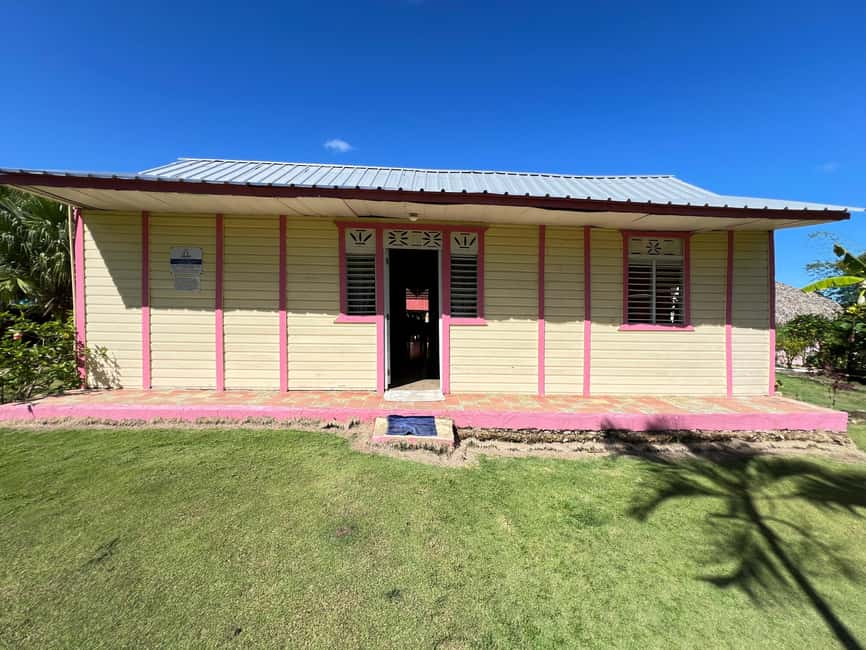
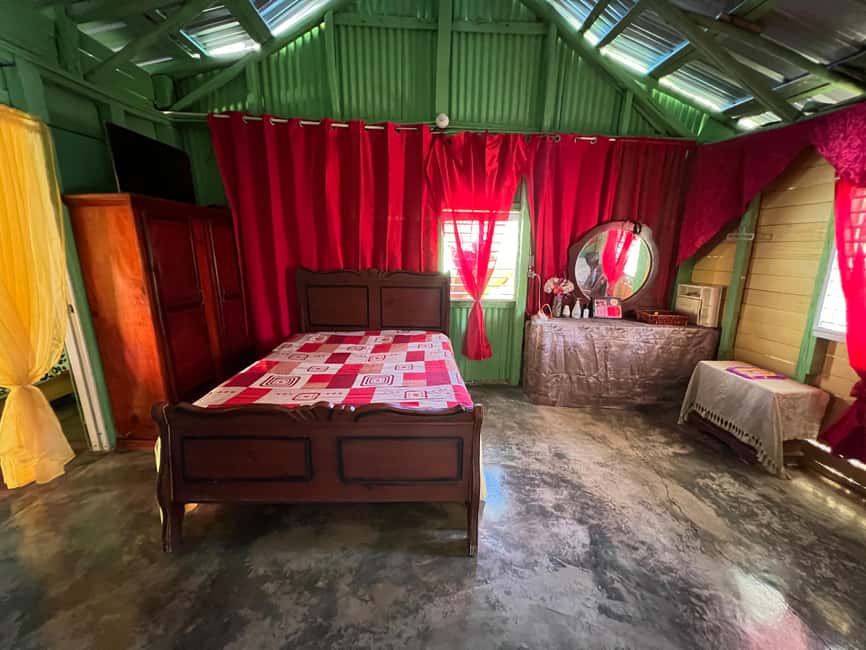
- Typical Dominican house visit gives you a clearer sense of everyday rural life
- Countryside photo moments with viewpoints and walking breaks
- Language can vary—if you’re counting on French, it’s worth confirming ahead
Coffee, Cocoa, and Sugar Cane: What You’re Really Buying
For $55 per person, you’re not just paying for a photo stop. You’re buying a guided loop through three crop experiences—coffee, cacao (chocolate), and sugar cane—plus a visit to a local home and a Dominican lunch.
The value here is the combination. A coffee tasting alone can feel small. A chocolate hut alone can feel like a “look and leave” stop. This tour tries to stitch it together so you leave with a better sense of how different crops shape rural Dominican life. And since it includes transportation from and back to your hotel, you’re paying for a full small-day format rather than figuring out farm routes on your own.
You can also read our reviews of more tours and experiences in Punta Cana

The Hotel Pickup Reality: How the Time Usually Works
The tour is listed as 3 hours and includes round-trip hotel transportation. In real life, that time can shrink. Some experiences have returned to the hotel around the 2-hour mark, and in a worst-case timing mismatch, the overall outing ran closer to about an hour.
So here’s the practical way to plan: treat 3 hours as the ideal schedule, not a guarantee. If you’ve booked dinner reservations with a tight window, keep a buffer. If you’re traveling with kids or have another must-do right after, build in slack.
Coffee Plantation Walk: From Growing to Roasting (and Tasting)
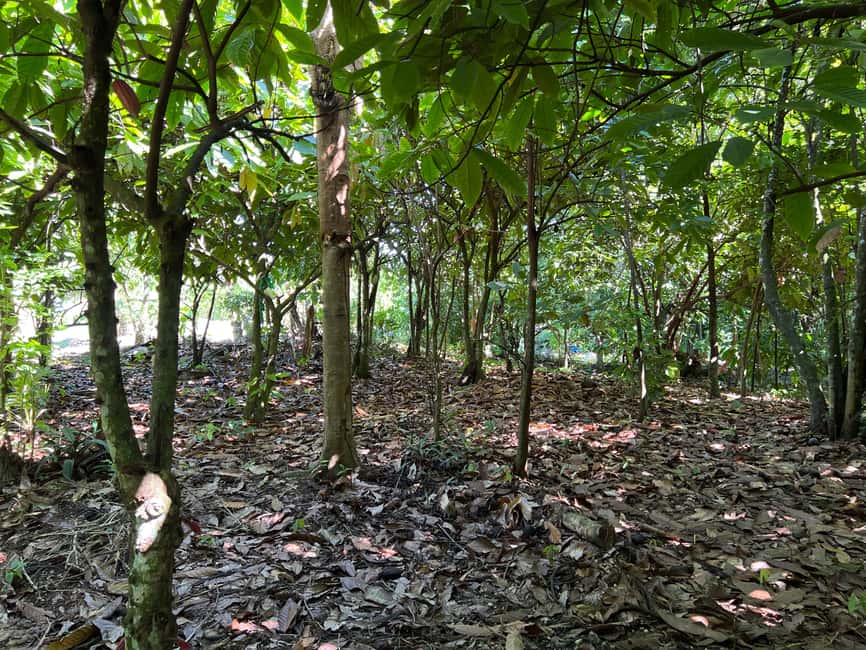
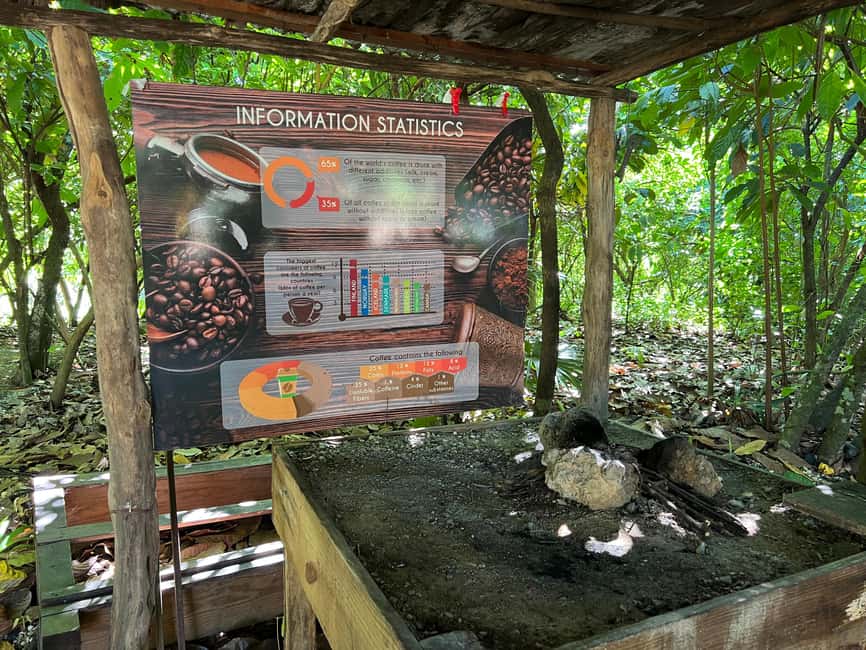
This is the heart of the experience. You’ll head to a scenic countryside area and walk through coffee fields, learning the process behind Dominican coffee—from how the plants are grown and harvested to how beans are processed and roasted. The wording used in the tour description emphasizes traditional methods and a “passed down through generations” approach, and the format is set up for practical understanding, not just lectures.
What you’ll likely enjoy most is the sensory side. Fresh coffee tasting is included, and the highlights focus on the robust flavor and strong aroma of Dominican coffee. That matters because coffee can taste very different depending on how it’s roasted and processed. When you’ve just learned how beans get treated, the cup feels like part of the lesson—not an afterthought.
What to watch for: the walking pace and time can depend on the group and day. Comfortable shoes matter here, because you’re moving through plantation terrain, and sun can be intense. Bring water, and plan on a slower start if you’re sensitive to heat.
The Chocolate Hut and Cacao Story: More Than a Sweet Stop
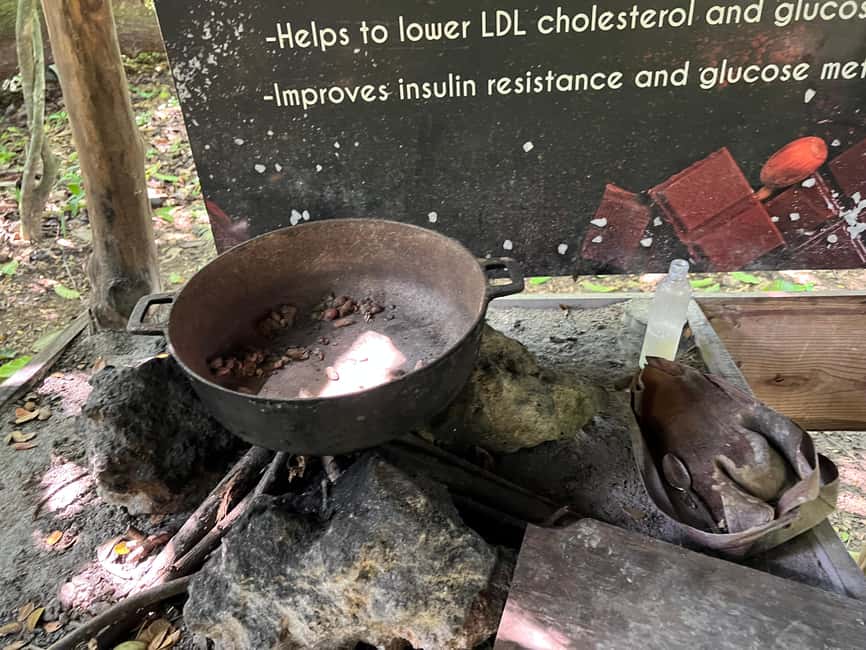
The chocolate hut is where the tour shifts from farming mechanics to cultural context. You’ll learn about the historical and cultural significance of cacao in the Dominican Republic—especially how important cacao has been as an export of high-quality beans.
Then there’s the part many people actually remember: cacao tasting. One review specifically called out tasting both coffee and cacao afterward, and praised the flavors. That’s a good sign that this isn’t just a “look at cacao pods and walk away” stop.
Here’s the takeaway for you: if you care about food culture, this stop gives meaning to what you’re consuming. If you’re simply after the taste, you still get something out of it because you’re sampling rather than just hearing facts.
One consideration: cacao-based experiences can vary by provider and day. If tasting is a priority, go with an open mind and focus on the overall learning-and-sampling flow rather than expecting a fancy tasting flight.
Sugar Cane Hut + Typical Dominican House: Rural Life Up Close
After coffee and cacao, the tour expands into a broader rural picture.
You can also read our reviews of more tours and experiences in Punta Cana
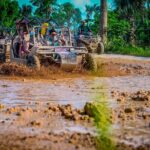


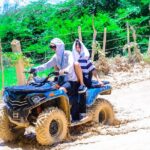

Sugar cane hut
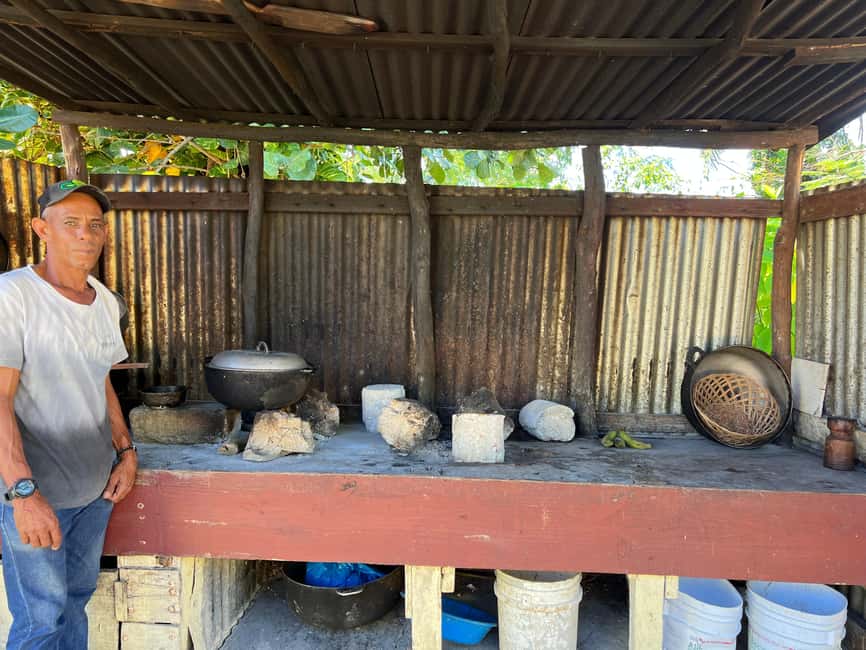
You’ll visit a sugar cane hut and learn about the crop and the traditional ways it’s cultivated and processed. Even without a long technical lab session, the value is that it broadens your understanding: coffee gets all the attention in “agriculture tours,” but sugar cane shows a different side of how rural economies work.
If you like comparing crops—soil, harvest timing, processing methods—this stop helps you “zoom out.” You start seeing farming as a system, not a single specialty farm.
Typical Dominican house
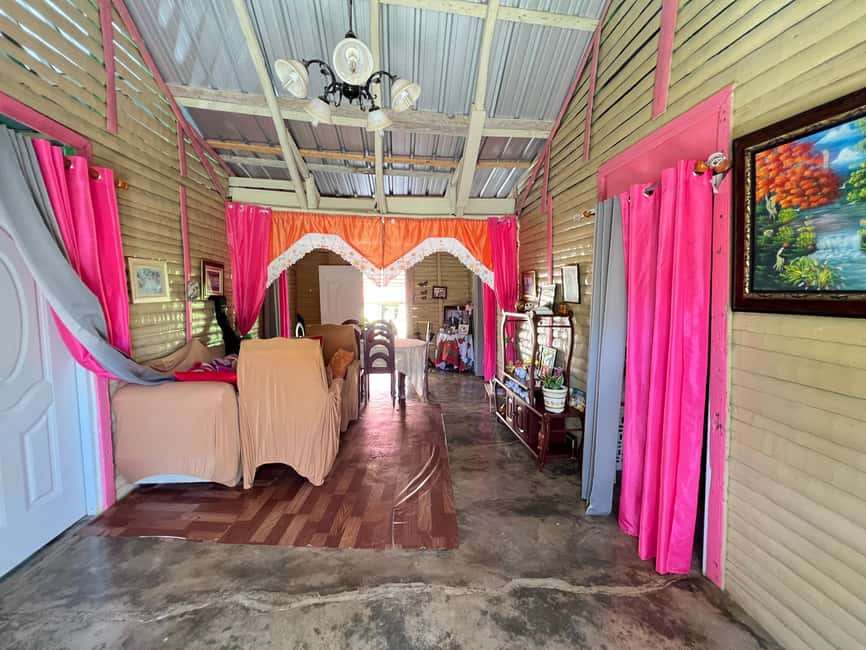
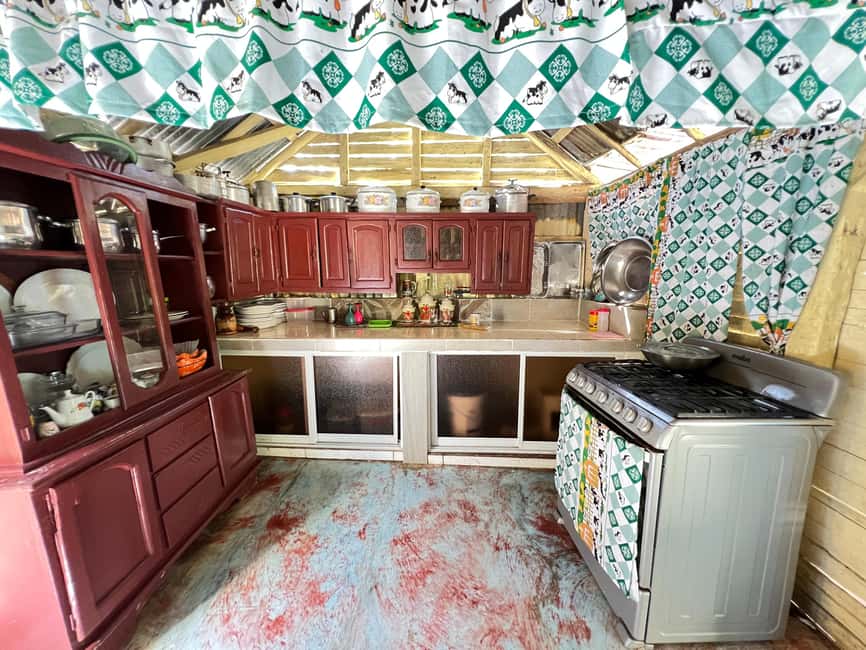
The visit to a local home, also called a typical house, is where the experience becomes more human. You’ll learn about rural life in the Dominican countryside and get a window into how families live day to day.
This is also where warmth and hospitality come through. One review praised the family you visit as especially welcoming. That kind of atmosphere can turn an otherwise standard tour into something more memorable.
What to watch for: this part of the experience may involve walking and staying outdoors at times. If you’re sensitive to sun or have mobility limitations, this is one of the segments where you’ll feel it most. The tour isn’t suitable for wheelchair users or people with mobility impairments, and it also isn’t recommended for people with back problems or for pregnant women.
Lunch and Photo Moments: Where the Tour Gets Fun
The tour includes lunch, and it’s described as delicious Dominican food in at least one review. If you’re hungry after walking fields and sampling coffee/cacao, lunch is a built-in reset button. You also get a more relaxed pace before the ride back.
For photos, you’ll have plenty of opportunities. The highlights mention breathtaking countryside views and a strong focus on great photo chances. That likely means open angles, farm scenery, and views from outdoor stops rather than a single “one view only” moment.
My practical advice: pack your camera and take short bursts of photos while you’re walking. If you wait until the official viewpoints, you’ll miss the in-between moments—like coffee rows and rural house details.
Price and Value: Is $55 Fair for This 3-Crop Format?
At $55 per person for a roughly half-day outing, this tour can be a good deal—mainly because the package includes:
- a guided plantation tour
- coffee tasting
- a chocolate hut stop
- a sugar cane hut stop
- a visit to a local home
- lunch
- transportation to and from your hotel
If you were to try to replicate this with taxis and separate bookings, you’d likely spend more in time and transport hassle. Here, you pay for one coordinated route and you get tastings and lunch without extra planning.
The main question isn’t whether you get content—it’s whether the experience matches the listed length and language expectations. Some experiences have run shorter than advertised, and there’s at least one report where the French-language part didn’t work as expected. That doesn’t mean every tour fails the same way, but it does mean you should treat “3 hours” and “French guide” as things to confirm, not assume.
Language Expectations: Spanish, English, French (and How to Protect Yourself)
The tour offers live guidance in Spanish, English, and French. That sounds straightforward. But language performance can be inconsistent depending on the specific guide on your day.
So if you’re booking in French because you want that comfort level, do yourself a favor: message the operator or confirm in writing before your pickup. If you’re flexible and comfortable in English, you reduce the risk of a communication gap.
Also: even with the “right” language, agriculture tours often rely on hands-on demonstrations. If you’re an independent learner, you’ll still pick up plenty from visuals, smells, and tasting—even if the vocabulary isn’t perfect.
What to Bring (This Is Not a Packing List for Show)
Bring what keeps you comfortable outside. The tour instructions are clear:
- comfortable shoes
- sun hat
- camera
- sunscreen
- water
- insect repellent
- cash
That cash note is practical. The tour advises bringing extra for souvenirs or locally made coffee to take home. If you care about buying coffee, have small bills ready so you’re not scrambling later.
Also follow the rules: no smoking and no littering. It’s the kind of place where basic respect goes a long way.
Who This Tour Is Best For (and Who Should Skip It)
This experience tends to suit you if you like food culture, farming basics, and hands-on tastings. If you enjoy learning how everyday products get made—coffee roasting, cacao processing, sugar cane cultivation—this is a friendly way to do it in a short window.
It may not suit you if:
- you’re pregnant
- you have back problems
- you have mobility impairments or use a wheelchair
If you’re unsure, ask directly about the walking parts and how much time you’ll spend outdoors during each hut/house stop.
Should You Book It?
If you want a short countryside day that mixes coffee tasting, cacao context, sugar cane learning, a home visit, and lunch—this tour can be a solid pick for the price. The best reason to book is the combination: you don’t just sample; you learn what makes Dominican coffee and cacao distinct.
But book smart. Plan with a time buffer because some outings run shorter than the listed 3 hours. And if you need French specifically, confirm the guide language before pickup. If those two checks are handled, you’ll likely enjoy the walk, the family-style hospitality vibe, and the photo-worthy countryside moments.
FAQ
How long is the Punta Cana coffee, chocolate, and sugar cane tour?
The tour is listed as 3 hours. Some experiences report returning earlier than that, so it helps to keep your schedule flexible.
Where does the tour take place?
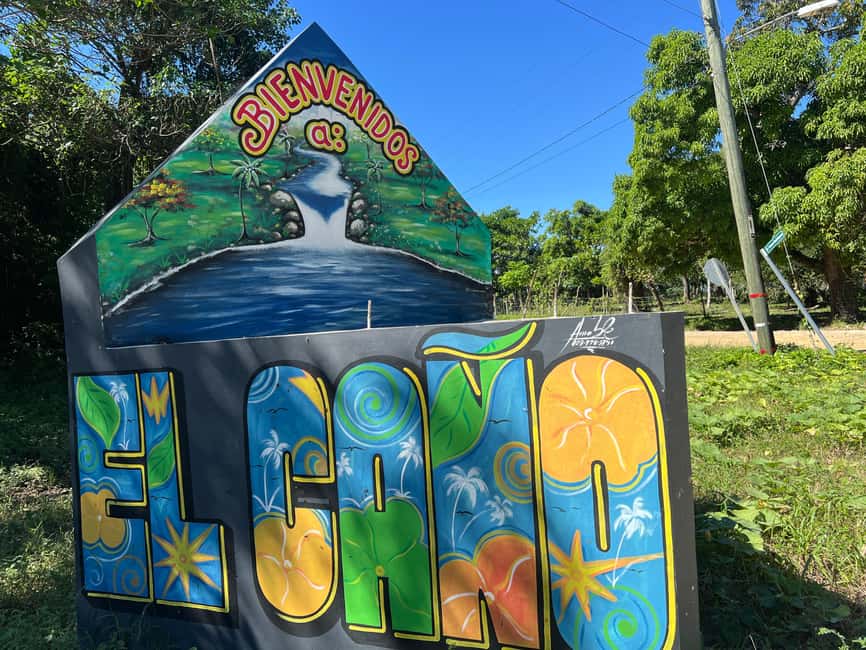
It’s in La Altagracia, Dominican Republic, in the countryside area outside Punta Cana.
How much does it cost?
The price is $55 per person.
What’s included in the price?
Included are a guided plantation tour, hands-on experience, coffee tasting, visits to a chocolate hut and a sugar cane hut, cultural insights, a visit to a typical Dominican house, lunch, and transportation to and from your hotel.
Is there a guide, and what languages are available?
Yes, there is a live tour guide. The available languages are Spanish, English, and French.
What should I bring?
Bring comfortable shoes, a sun hat, a camera, sunscreen, water, insect repellent, and cash.
What’s the cancellation and payment policy?
You can cancel up to 24 hours in advance for a full refund, and you can reserve now and pay later.