REVIEW · PUNTA CANA
Punta Cana: Dolphin Interaction Experience & Hotel Transfers
Book on GetYourGuide →Operated by Somos Viaje Punta Cana · Bookable on GetYourGuide
Dolphins meet you face-to-face fast. In Punta Cana, this dolphin interaction experience mixes guided contact, marine mammal education, and convenient hotel transfers into a tight 4-hour block. You can choose from different interaction styles, including a option with dolphins approaching from a standing platform.
I especially like the way the day is structured around hands-on time with dolphins while still keeping a specialist close by. I also like the added stop at the ray and shark tank, which gives you a little variety beyond the main event.
One consideration: the park doesn’t allow cameras in the water, and you may end up buying photos afterward. If you’re hoping to film everything yourself, plan for that upfront.
In This Review
- Key Things To Know Before You Go
- The 4-Hour Plan That Keeps Punta Cana From Feeling Like a Chore
- Hotel Transfers: The Hidden Value of a Paid Pickup
- Walking Into Dolphin Park Mode: What the Day Feels Like
- Program Options: Platform Kisses, Fin Play, And a Two-Dolphin Royal Swim
- 1) Standing-Platform Interaction: Handshakes, Kisses, and Hugs
- 2) Surface-Fin Interaction: Speed, Agility, and Facts
- 3) The Two-Dolphin Royal Swim: Agility, Intelligence, and the Foot Push
- Important reality check on “non-swimmer”
- Ray And Shark Tank: The Bonus Stop That Adds Variety
- Safety Rules That Actually Change How You’ll Enjoy It
- Life jackets are mandatory
- Cameras aren’t allowed in the water
- Pregnancy restriction
- The Photo And Video Reality Check (And Why It Matters)
- What I Like Most From the Reviews: The Feel of the Dolphin Time
- Who This Tour Suits Best in Punta Cana
- Price and Value: Is $140 Fair for What You Get?
- Should You Book This Dolphin Interaction Experience?
- FAQ
- How long is the Punta Cana dolphin interaction experience?
- What is included in the price?
- Is the ray and shark tank visit part of the activity?
- Can I bring a camera or take photos in the water?
- Are life jackets provided, and are they required?
- Is this experience suitable for pregnant travelers?
- Do I need to be a strong swimmer?
- What language is the instructor available in?
- Are there any child/adult rules?
Key Things To Know Before You Go
- Four-hour schedule with pickup and drop-off so you’re not trying to figure out transport on your own
- Three different dolphin programs so you’re not locked into one interaction style
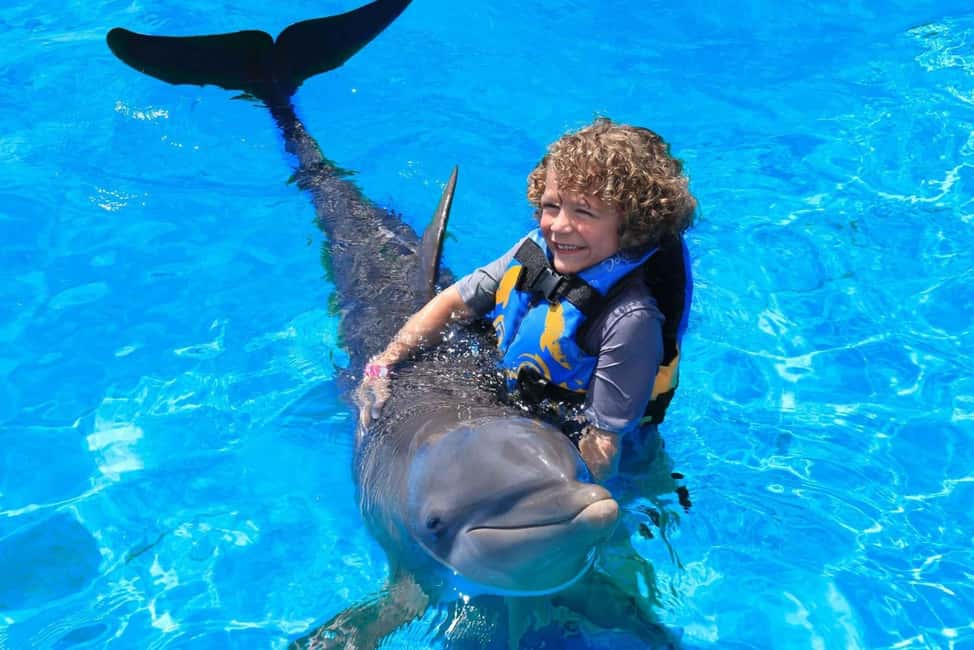
- Life jackets are mandatory in the aquatic programs, which affects comfort and movement
- No cameras allowed in the water, meaning your best memories may come from purchased photos
- Ray and shark tank included, for a quick extra look at marine life
- Pregnancy and non-swimmer restrictions apply, so check fit before booking
The 4-Hour Plan That Keeps Punta Cana From Feeling Like a Chore
This is a 4-hour experience, which is ideal when you’re on a beach schedule. Punta Cana tours can balloon fast, so I like that this one stays compact and clear: you go to the park, do the dolphin program, add the ray/shark tank stop, and return to your hotel.
You’ll get a specialized guide with you during the visit, which matters more than it sounds. Dolphins are interactive, but the “how” is everything—where you stand, how you move, and what the staff expects from you is part of the safety equation.
If your group includes kids, you’ll also want to pay attention to the rule that requires one adult per child participating. That can shape family planning more than you’d expect, especially if you’re traveling with multiple children.
You can also read our reviews of more dolphin watching tours in Punta Cana
Hotel Transfers: The Hidden Value of a Paid Pickup
The biggest practical perk here is that hotel pickup and drop-off are included. In Punta Cana, that alone can save time and reduce stress—especially if you don’t want to negotiate taxis after a warm, water-based activity.
You’ll also appreciate that the instructor can handle multiple languages: English, French, Italian, Portuguese, and Spanish. That helps you follow the dolphin instructions and the marine mammal education without feeling lost while you’re trying to stay calm and ready to get in the water.
And yes, cash is suggested for on-site purchases. Since souvenirs and photographs aren’t included, it’s smart to bring small bills so you’re not scrambling later.
Walking Into Dolphin Park Mode: What the Day Feels Like
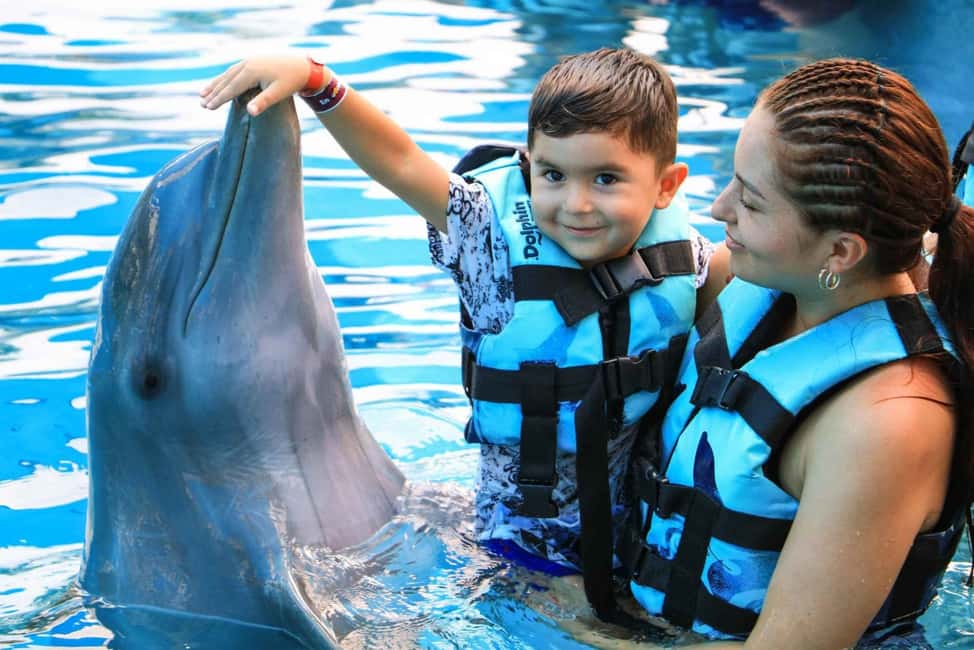
When you arrive, the day is organized like a guided experience rather than a free-for-all. You’ll move through the dolphin portion with staff direction, and there’s a clear emphasis on safe interaction.
The program is described as being designed for care and protection of dolphins, and that tone is echoed in the structure and rules: life jackets are mandatory, cameras are restricted in the water, and you follow staff positioning instead of doing your own thing.
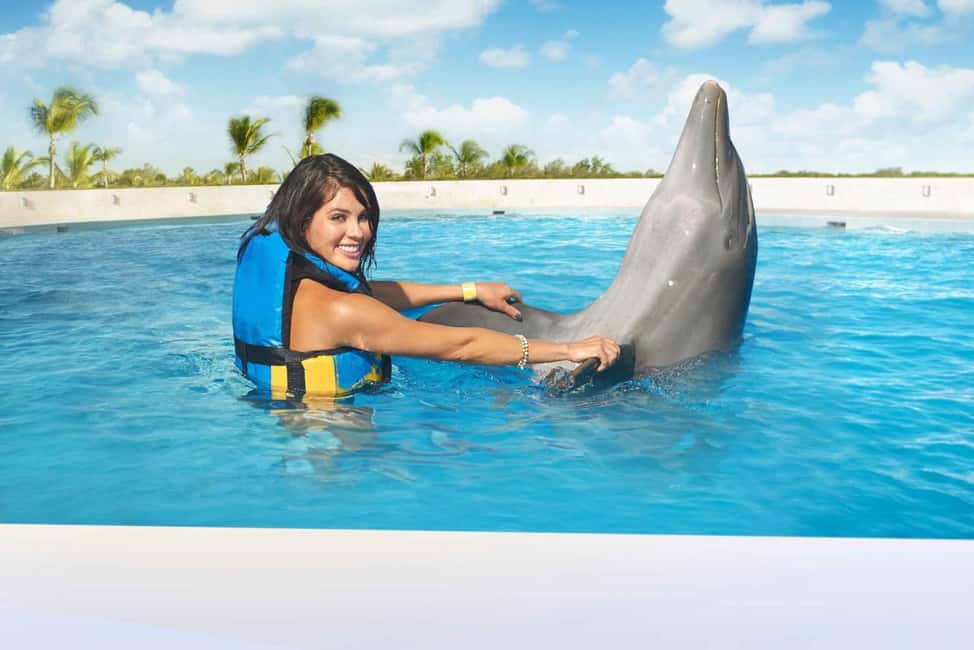
Even if you’re not the most confident around water, there’s a built-in comfort option mentioned in the experience details: a standing platform where dolphins approach you. That means you’re not required to be a swimmer just to participate in the interaction component you’re choosing.
Program Options: Platform Kisses, Fin Play, And a Two-Dolphin Royal Swim
This tour stands out because you can choose from three different programs. You’re not just paying for “dolphins,” you’re paying for a specific style of interaction—and that affects how the time actually feels.
1) Standing-Platform Interaction: Handshakes, Kisses, and Hugs
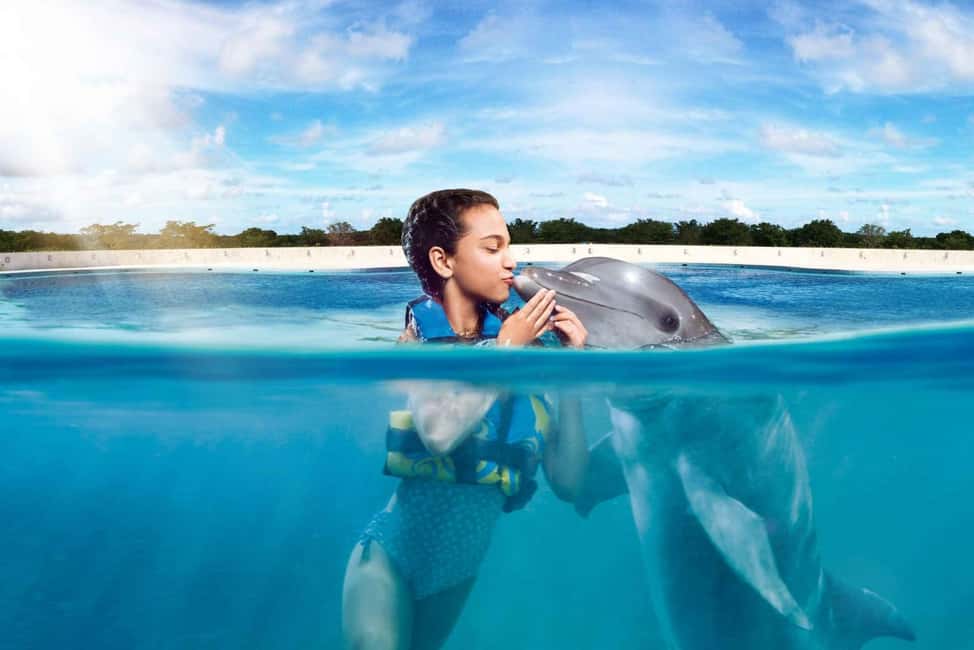
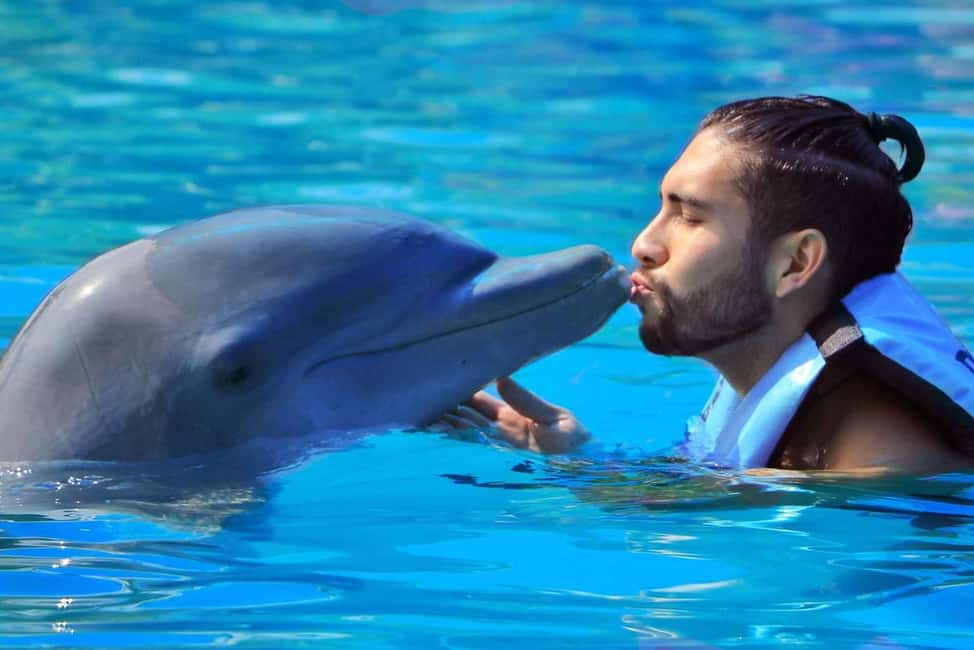
One program centers on a calmer, more beginner-friendly format: you can stand on a platform while a dolphin approaches you. You’ll get up-close contact like a handshake, kiss, and hug experience, which is typically what kids (and adults with big smiles) remember most.
This option is especially useful if you’re traveling with mixed comfort levels. You still get meaningful contact, and you avoid the “I have no idea what to do in the water” panic.





2) Surface-Fin Interaction: Speed, Agility, and Facts
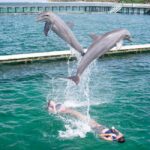
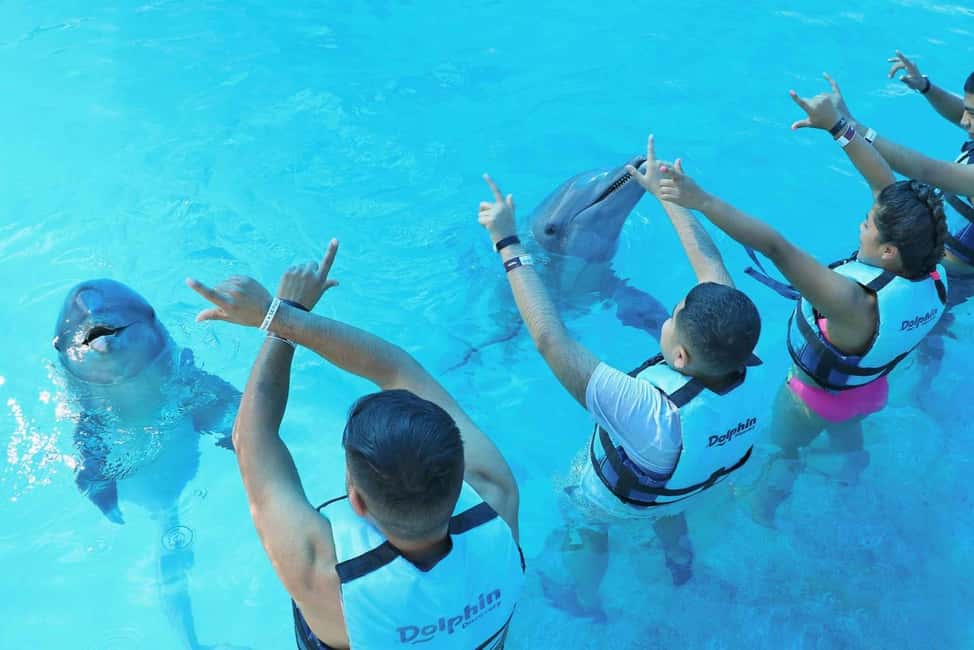
Another program focuses on the dolphin’s movement and behavior. You’ll experience moments where the dolphin grabs onto his pectoral fins and accompanies you across the water’s surface.
This one is less about still poses and more about watching how the animal moves. You’ll also get fun facts about the species and its ecosystem, taught by marine mammal specialists—so you walk away with more than just a photo.
3) The Two-Dolphin Royal Swim: Agility, Intelligence, and the Foot Push
The third option is described as a “royal swim” with two dolphins. You’ll interact with both animals while learning about their agility, intelligence, and strength.
The description includes a technique called a foot push, where you glide through the water alongside them. If you’re feeling energetic, this option usually sounds the most active—and you’ll want to make sure you’re comfortable moving with the life jacket.
Important reality check on “non-swimmer”
The experience includes a platform option, but the activity information also lists it as not suitable for non-swimmers. So I’d treat this as: you don’t need stunt-swimming skills, but you still have to meet the operator’s comfort/safety expectations for aquatic participation. If you’re truly not comfortable in water, ask before you book.
Ray And Shark Tank: The Bonus Stop That Adds Variety
Between dolphin moments, there’s an included visit to the ray and shark tank. It’s not the main event, but it’s a nice change of pace. It also helps you if you want a fuller animal experience without adding extra time or paying for a separate activity.
Because this part is included, it’s also a simple way to stretch the value of the $140 price tag. When a tour packs one “extra” element into the schedule, you feel less like you’re paying only for one five-minute highlight.
If you’re traveling with kids who lose patience in wait times, this tank stop can give them something to focus on during transitions.
Safety Rules That Actually Change How You’ll Enjoy It
Let’s talk rules that affect your day in real life.
Life jackets are mandatory
The use of life jackets is mandatory in all aquatic programs. That’s good for safety, but it also affects how you move, how your balance feels, and how close you can position yourself. I’d plan on wearing it snugly and listening to the guide before you move in.
Cameras aren’t allowed in the water
No cameras are allowed for the water portion. That’s a major consideration because the interaction is the kind of moment you’ll want to remember.
In practice, that restriction means the park’s staff photos may become the souvenir you end up with. Some reviews specifically call out how pricing for photos and videos can feel steep.
Pregnancy restriction
Pregnant women from 5 months and older are not accepted. If you’re in that window, it’s best not to rely on hope or exceptions—this one is clearly spelled out.
The Photo And Video Reality Check (And Why It Matters)
This is the one part that can make or break your value.
You should assume personal photographs aren’t included and cameras aren’t permitted in the water. That combination tends to push you toward buying images created by the park’s staff.
One review set includes specific examples of pricing, like a photo with an otter/seal-style interaction around $15, dolphin photos around $39 per person, and a video price listed as high (not a small add-on). Another review notes the process feels expensive and also points to the frustration of being unable to use your phone.
Here’s how I’d make it practical: if you want images, decide your budget before you go. Bring cash as suggested, and be ready for a moment where you’ll feel pressure to buy because you can’t record on your own.
If you’re the type who prefers to enjoy the moment rather than purchase memorabilia, you can still have a great time. Just don’t count on DIY video.
What I Like Most From the Reviews: The Feel of the Dolphin Time
The standout theme in the feedback is that the experience tends to feel special and memorable—especially for families. Many people describe it as an easy, dream-like moment for kids, with lots of joy from the dolphin interactions.
Another positive theme: smaller groups can make a difference. One review praises the encounter as something you get to enjoy in a smaller group setting, which usually means less rushing and more attention from staff.
There’s also a flip side: one review mentions a group of around 10 and says there was waiting and watching. That suggests your exact schedule and group size can influence how “hands-on” the day feels, even if the dolphin part is still the main attraction.
My advice: treat this as a guided encounter first, a photo event second. If you want lots of personal filming time, this isn’t built for that.
Who This Tour Suits Best in Punta Cana
This one fits families and anyone who wants close dolphin contact without making the day overly complicated.
You’ll likely enjoy it if:
- You want a 4-hour dolphin experience with hotel transfers
- You’re excited about guided interaction rather than DIY exploring
- Your group includes people with different comfort levels, and you want a standing platform option
- You want a marine day that includes the ray/shark tank stop
You might want to rethink booking if:
- You’re a true non-swimmer (the activity is listed as not suitable)
- You’re pregnant at 5+ months
- You strongly dislike restrictions around cameras and expect to take your own water photos
- You’re not willing to consider purchasing staff photos afterward
Also note the “one adult per child” rule. If you’re traveling with kids and multiple adults aren’t available, you’ll want to plan ahead.
Price and Value: Is $140 Fair for What You Get?
At $140 per person for roughly 4 hours, this sits in the midrange for Punta Cana marine experiences. What helps the value is that you’re not just paying for dolphin time—you’re paying for:
- Hotel pickup and drop-off
- A specialized guide
- The included ray and shark tank visit
- Access to one selected program with marine mammal instruction
What can hurt perceived value is the photo situation. If you end up buying photos or videos, the total cost can jump. And because cameras aren’t allowed in the water, you can’t easily replace those purchases with your own recordings.
I’d call it a good value if you go in expecting the experience to be the reward, with photos as an optional bonus. It’s less of a deal if your plan is to buy a full set of images or video packages.
Should You Book This Dolphin Interaction Experience?
Book it if you want a well-paced, guided dolphin encounter with hotel transfers and a clear marine theme for about half a day. The structure, specialist education, and the included ray/shark tank stop make it feel like more than a simple “stand there and watch” attraction.
Skip or ask lots of questions first if cameras in the water are a dealbreaker, if you’re not comfortable in aquatic settings, or if you’re traveling during the pregnancy cutoff window. Also, set a photos budget ahead of time so the souvenir moment doesn’t surprise you.
If you’re aiming for a memorable Punta Cana highlight without stress, this is a solid pick—just go in knowing that the park controls the photo experience.
FAQ
How long is the Punta Cana dolphin interaction experience?
The duration is 4 hours.
What is included in the price?
Included are hotel pickup and drop-off, a specialized guide, a visit to the ray and shark tank, and the selected dolphin program.
Is the ray and shark tank visit part of the activity?
Yes, the ray and shark tank visit is included.
Can I bring a camera or take photos in the water?
Cameras are not allowed in the water. Photographs are also not included as part of the activity.
Are life jackets provided, and are they required?
Life jackets are mandatory in all aquatic programs.
Is this experience suitable for pregnant travelers?
Pregnant women from 5 months and older are not accepted.
Do I need to be a strong swimmer?
The activity is listed as not suitable for non-swimmers, even though there is a standing platform option. If you’re unsure, confirm your comfort level with the operator before booking.
What language is the instructor available in?
The instructor is available in English, French, Italian, Portuguese, and Spanish.
Are there any child/adult rules?
There must be 1 adult per child participating in the activity.