REVIEW · PUNTA CANA
Punta Cana: Monkey Adventure by Jhoraji With Hotel Pick-Up
Book on GetYourGuide →Operated by Los Corales Transporte turistico · Bookable on GetYourGuide
Monkeys get personal fast in Punta Cana. This Jhoraji adventure brings you close to four monkey species and includes the standout moment of bottle feeding a baby.
What I like most is how hands-on the experience is, with expert guides focused on animal handling. One big thing to think about first: the tour has a noticeable photo-sales element, and some people feel the timing leaves less quiet interaction than they expected.
In This Review
- Four Monkey Species, One Short Tour You Can Actually Fit In
- Hotel Pick-Up From Punta Cana: What to Check Before You Leave
- The 3-Hour Flow: How the Time Usually Gets Used
- Check-in and rules
- Four species interactions in sequence
- Bottle feeding moment
- Local shop stop
- Monkey Handling and Interaction: What You’re Really Paying For
- What interaction can look like
- The “games” and how it feels
- A safety/comfort consideration
- Photos, Videos, and the Big Upsell Moment: How to Avoid Regret
- The Local Handmade Shop Stop: Small, but Sometimes the Best Souvenir
- Price Check: Is $95 Worth It?
- What to Wear and Bring (So You’re Not Miserable)
- Who This Tour Fits Best (And Who Should Skip)
- Final Verdict: Should You Book Punta Cana Monkey Adventure by Jhoraji?
- FAQ
- How long is the Monkey Adventure tour?
- How many people are in the group?
- Is hotel pickup included?
- Which languages is the live tour guide available in?
- What monkey species are included?
- Is bottle feeding included?
- Do you stop at a shop during the tour?
- Can I bring alcohol or drugs on the tour?
- Is the tour wheelchair accessible?
- Is it refundable if plans change?
- Who is the tour not suitable for?
Four Monkey Species, One Short Tour You Can Actually Fit In
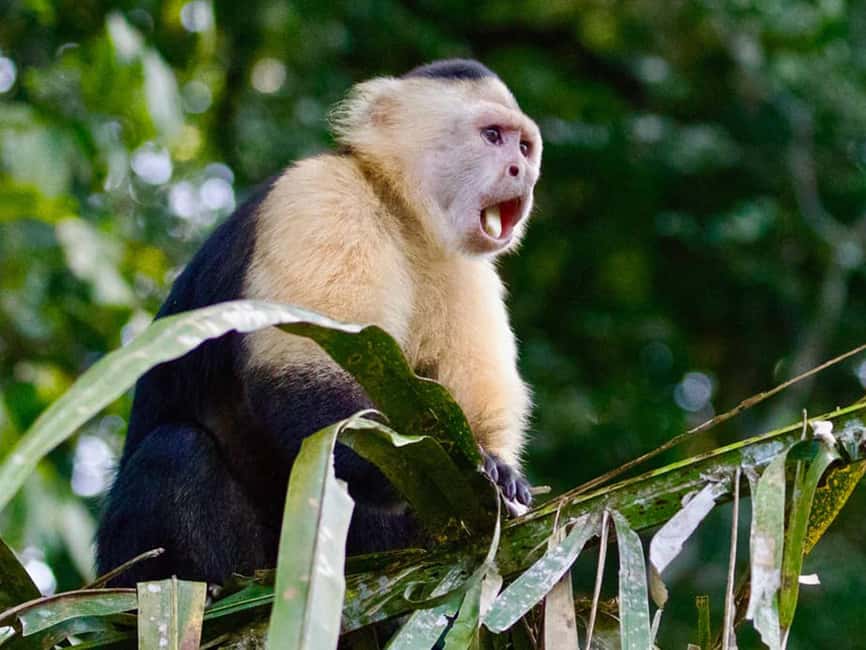
This is a fast, family-friendly-style wildlife stop in the Dominican Republic (La Altagracia). In about 3 hours, you get an up-close encounter with:
- Golden-Headed Capuchin Monkey: social, expressive, and quick.
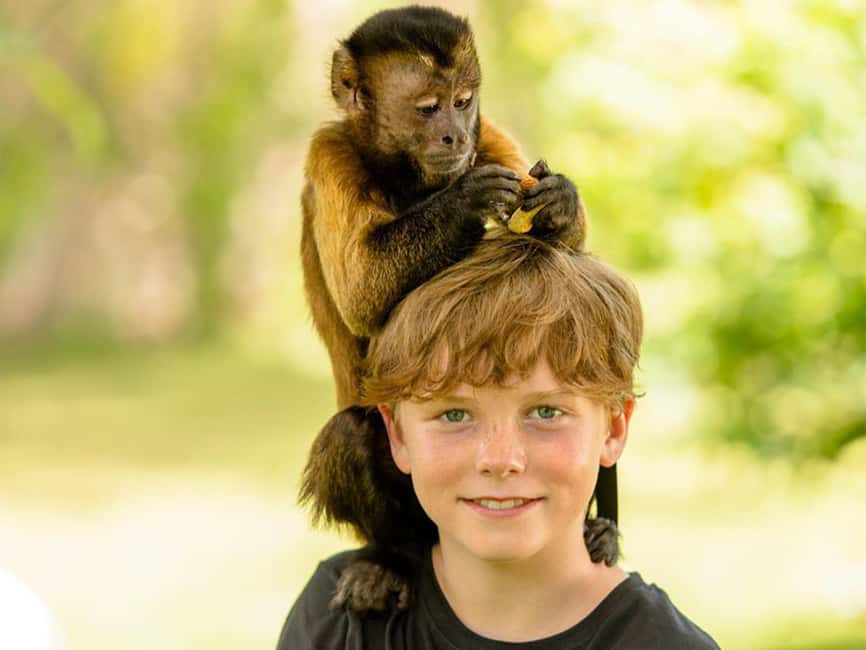
- Black-Faced Capuchin: distinctive dark face and playful behavior.
- African Green Monkey: greenish fur and generally friendly energy.
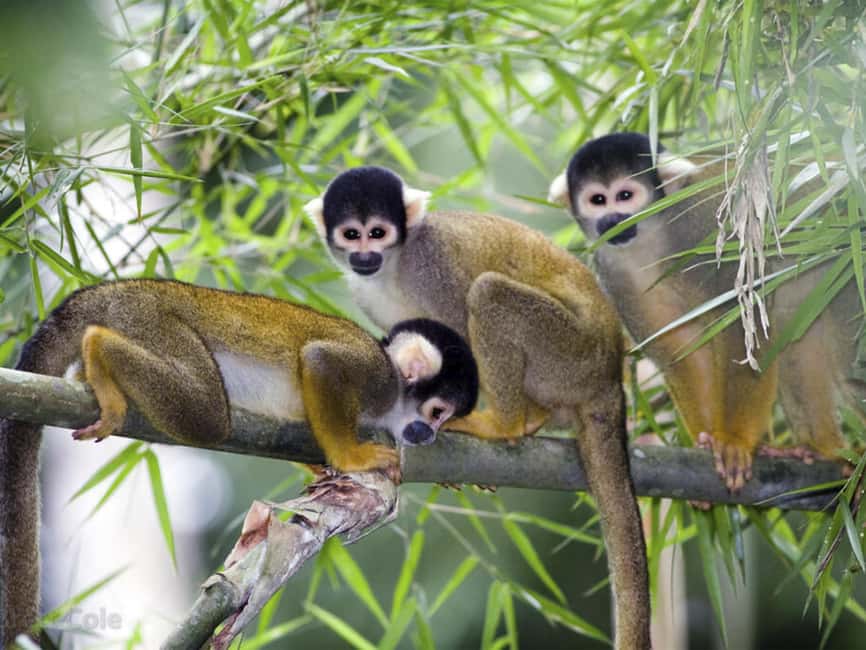
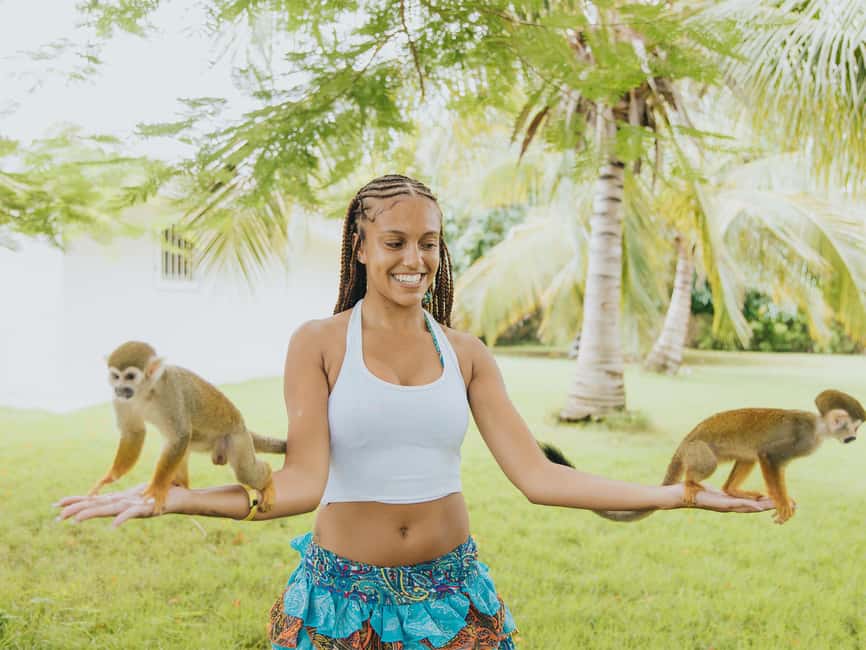
- Squirrel Monkey: small, fast, curious, and full of movement.
That lineup matters because it changes the vibe. You’re not just watching one type of monkey behave the same way for a long time. You’re getting different personalities and different “how they move” moments back-to-back, which is exactly why short tours can still feel like a complete experience.
Hotel Pick-Up From Punta Cana: What to Check Before You Leave
This includes round-trip transportation from your hotel (and it also lists a Puerto Plata pickup detail). Since pickup area details can be inconsistent between platforms, I suggest you confirm two things when you book or before the driver arrives:
- Where the meeting point is if the pickup banner says your name but your hotel lobby feels like a stretch.
- Whether your pickup is Punta Cana-area or if there’s a Puerto Plata reference that affects where the driver meets you.
In practice, the driver shows up with a banner with your name on it, so you should be able to spot the right person quickly. The tour is also set up as a small group limited to 10, which is helpful when you’re trying to keep a calm, controlled animal interaction.
A quick note on suitability: it’s marked as not suitable for people over 70, and alcohol/drugs aren’t allowed.
You can also read our reviews of more tours and experiences in Punta Cana.
The 3-Hour Flow: How the Time Usually Gets Used
The tour is short, so the schedule tends to move. You’ll start with pickup, then get to the monkey area for guided interaction in small groups, and finish with a visit to a local shop for handmade products.
Here’s what you can reasonably expect during the on-site time:
Check-in and rules
You’ll get brief guidance from the animal-handling team. You’re told what to wear and how to behave, and you’ll follow safety rules to keep everyone comfortable around close-range animals.
Four species interactions in sequence
You rotate through the monkey stations or encounters. The pace is designed to keep the group engaged without spending hours watching only one species.
Bottle feeding moment
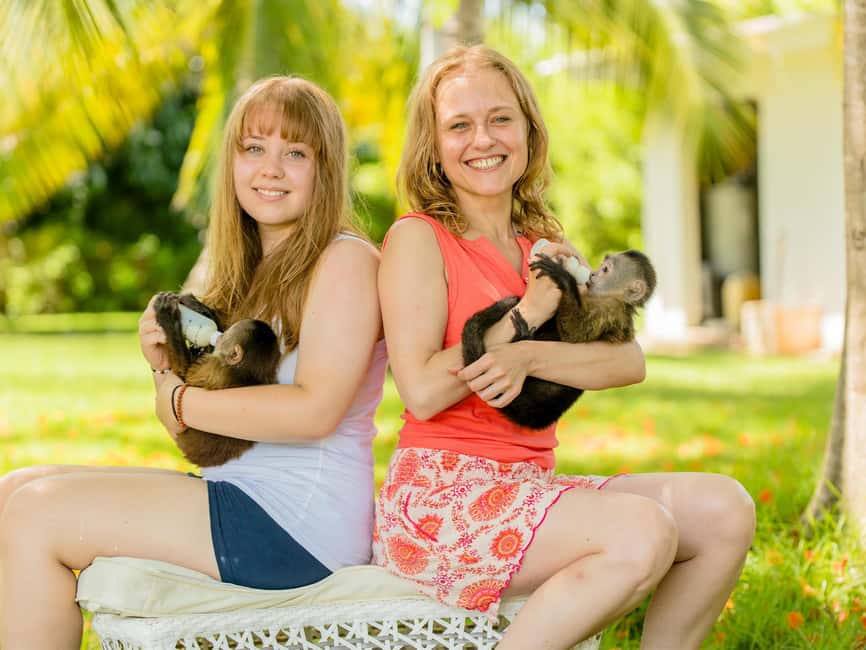
The baby bottle-feeding is the headline experience. If that’s the reason you booked, come in knowing it won’t last long. Short tours don’t have room for long feedings.

Local shop stop
After the monkey time, you visit a local store to see handmade items tied to the region’s culture. This is often the moment when people who didn’t buy anything earlier decide they want one practical souvenir.
Monkey Handling and Interaction: What You’re Really Paying For
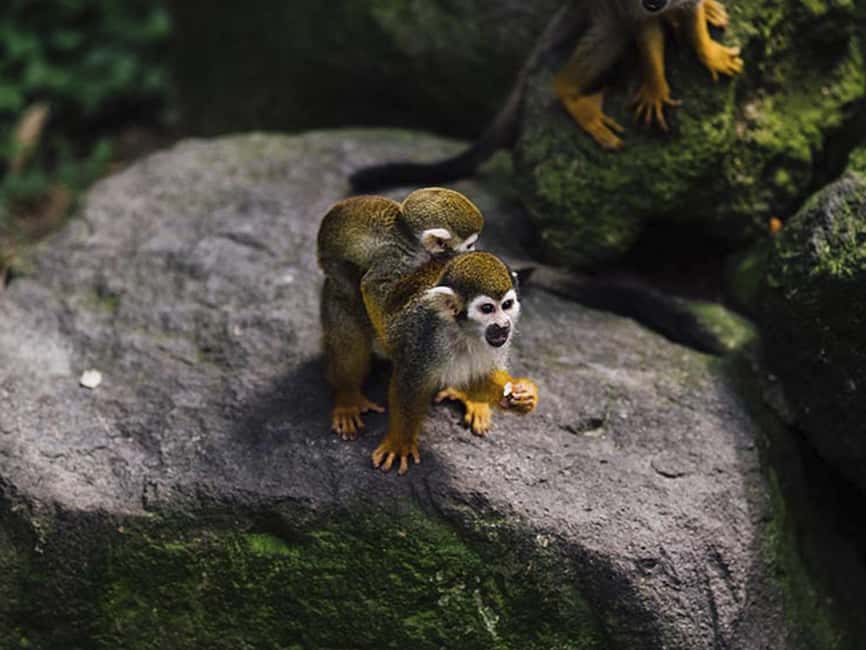
Let’s talk about the core value: this tour is about close interaction, not distant viewing.
What interaction can look like
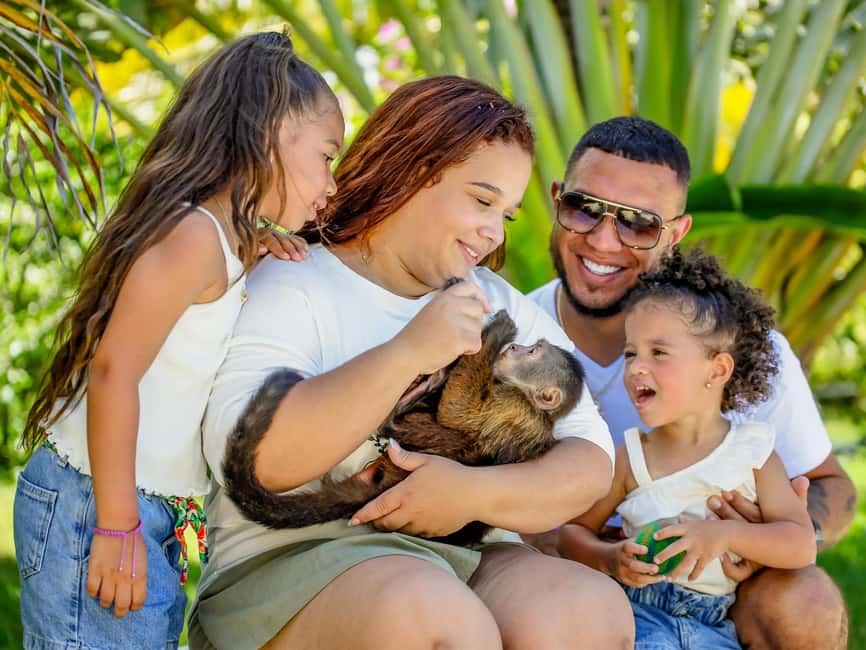
You’re in a setting where monkeys may:
- approach you,
- climb onto you (yes, including shoulders),
- play with each other,
- and react to the feed routine.
One practical reality: expect you might get a little dirty. That can mean sticky paws or fruit residue, depending on the day.
The “games” and how it feels
Some people love this part because it looks playful from the outside. Others feel it becomes too staged—especially around photography time and how quickly the interaction moves.
If you’re the type of person who wants calm, natural contact with minimal performance pressure, go in with clear expectations. This isn’t a quiet animal sanctuary tour. It’s a managed encounter built to keep a group moving and the cameras rolling.
A safety/comfort consideration
There are strong comments from some guests about handling style and how fruit is used to entice monkeys. I can’t judge what happens in every single session, but I do think it’s fair to say: if you’re sensitive to anything that looks forceful or overly performative, you’ll want to decide ahead of time whether this format works for you.
Photos, Videos, and the Big Upsell Moment: How to Avoid Regret
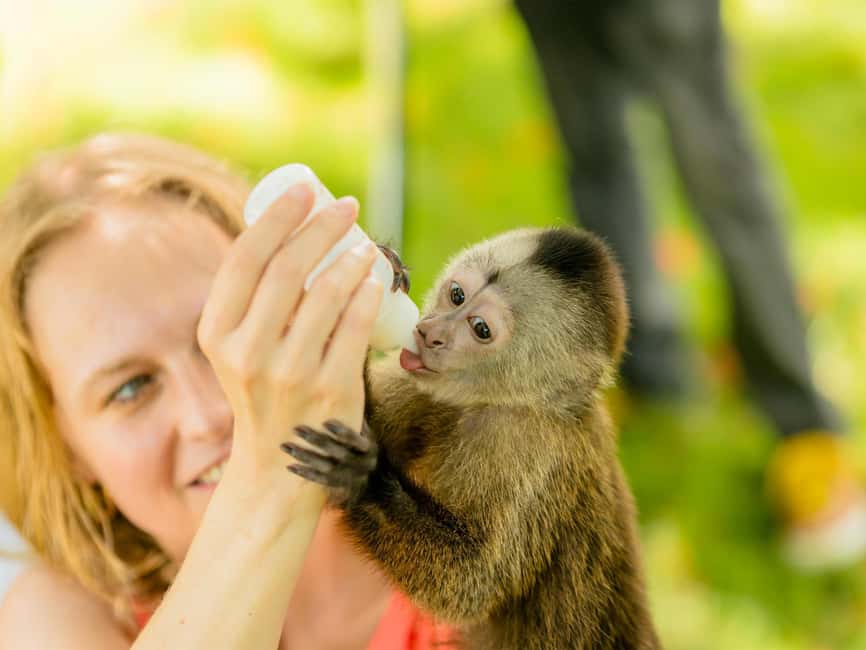
This is the area where the experience splits hard.
On paper, you’ll get beautiful photos. In real-world timing, several guests describe:
- a long stretch focused on being photographed,
- limited freedom to take your own photos,
- and a high-pressure sales finish.
The most pointed complaint involves the photo package price structure—one example cited a charge of $475 for 15 photos after a large number of pictures were taken. Another guest warned about long photo segments and a shorter touch window that can feel like a trade-off.
So here’s my practical advice:
- Decide your photo budget before you go. If you hate surprise pricing, treat this like a separate cost, not part of the $95.
- Ask what the photo rules are that day (whether you can take pictures, and which time blocks are strictly for their cameras).
- If cash payment is an option, one guest specifically suggested paying cash for photos to avoid extra tax added on top. It’s worth asking at the shop/camera stage.
If your main goal is just to interact with monkeys, you can still enjoy the tour. Just don’t assume the money you spend is the only money you’ll be offered.
The Local Handmade Shop Stop: Small, but Sometimes the Best Souvenir
You’ll finish with a local shop to check out handmade products. Since this is a short tour, the shop usually isn’t about browsing for an hour—it’s more about giving you one chance to see the craft side of the region.
If you like to buy meaningful items (rather than fridge magnets), use this stop to pick up something you can use right away: small craft pieces, gifts, or a souvenir that feels tied to the culture rather than just mass-produced.
Price Check: Is $95 Worth It?
For $95 per person and a 3-hour duration, you’re paying for a controlled, close-up animal encounter plus round-trip hotel transportation and a guided visit to a shop.
Is it worth it? It depends on your priorities:
You’ll feel it’s good value if:
- you want four species in one stop,
- you’re excited about the bottle-feeding moment,
- you prefer a small group setup (up to 10),
- and you’re okay with a guided, managed interaction.
You might feel it’s overpriced if:
- you mainly want unstructured, long interaction time,
- you dislike heavy photo sales,
- or you’re sensitive to anything that feels too staged.
One honest trick: treat the tour cost as the base ticket, then decide whether you’ll buy photos ahead of time. That makes the experience feel fair instead of financially fuzzy at the end.
What to Wear and Bring (So You’re Not Miserable)
This is a daytime, outdoor wildlife experience. Go prepared:
- Closed-toe shoes (non-negotiable with any monkey interaction).
- Comfortable clothes you don’t mind getting a bit messy.
- Sunscreen and bug repellent—the Dominican sun and insects don’t play along.
- A camera if you want to capture your own memories, but also remember photo rules can limit what you’re allowed to do.
- If you’re sensitive to mess, consider bringing a small towel or wipes in your day bag.
Who This Tour Fits Best (And Who Should Skip)
Best fit:
- Families and animal lovers who like hands-on experiences.
- People who want a short excursion that still feels like something special.
- Anyone excited by the variety of capuchins plus squirrel monkeys and the baby bottle-feeding.
Not the best fit:
- People over 70 (the tour marks it as not suitable).
- Anyone who gets stressed by photo-selling pressure or a tightly managed schedule.
- Guests who want a slow, calm, sanctuary-style encounter with minimal performance elements.
Final Verdict: Should You Book Punta Cana Monkey Adventure by Jhoraji?
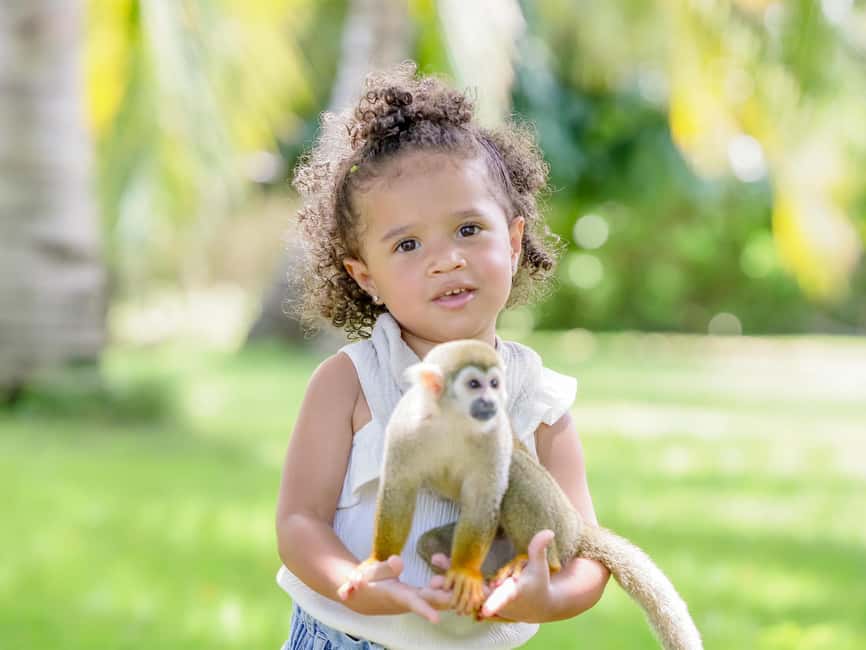
Book it if you want a short, guided, small-group monkey encounter with four species and a high-energy moment like bottle feeding—and you’re willing to manage your expectations about photos.
Pass or choose carefully if you’re mainly paying for private time with monkeys and hate photo upsells. In that case, I’d rather you plan an alternative that matches your style.
If you do book, set one rule for yourself: know your photo plan before you arrive. It turns a potentially frustrating ending into a smooth, fun day.
FAQ
How long is the Monkey Adventure tour?
The duration is 3 hours.
How many people are in the group?
It’s a small group limited to 10 participants.
Is hotel pickup included?
Yes. Pickup is included, with a driver waiting in your hotel lobby with a banner showing your name.
Which languages is the live tour guide available in?
The live tour guide is available in French, Spanish, and English.
What monkey species are included?
You’ll interact with four species: Golden-Headed Capuchin, Black-Faced Capuchin, African Green Monkey, and Squirrel Monkey.
Is bottle feeding included?
Yes. Bottle feeding is one of the activity highlights, including feeding a baby monkey.
Do you stop at a shop during the tour?
Yes. After the monkey interaction, you visit a local shop to check out handmade products.
Can I bring alcohol or drugs on the tour?
No. Alcohol and drugs are not allowed.
Is the tour wheelchair accessible?
Yes, it’s marked as wheelchair accessible.
Is it refundable if plans change?
Yes. Free cancellation is offered up to 24 hours in advance for a full refund.
Who is the tour not suitable for?
It’s not suitable for people over 70.