REVIEW · PUNTA CANA
Punta Cana: Tour Monkey Adventure With Hotel Pick Up
Book on GetYourGuide →Operated by Los Corales Transporte turistico · Bookable on GetYourGuide
Four monkey encounters in about three hours.
This Punta Cana experience is built for up-close time with four species of monkeys in La Altagracia’s natural setting, including bottle-feeding a baby and watching them play and climb around you. I especially like that the guides focus on hands-on interaction in a small group setting, not a big cattle-call crowd scene.
My other favorite part is the pairing of wildlife time with a quick cultural stop at a local store where you can browse handmade souvenirs. One drawback to plan for: the photo and video portion can feel like a heavy upsell, and you may be asked to lock your phone/camera at least part of the time.
In This Review
- Key takeaways before you go
- Getting to Monkey Time Smoothly From Your Hotel
- Your First Stop: A Real Interaction, Not Just a Look-See
- Bottle-Feeding the Baby Monkey: The Tender Moment
- The Four Species Experience: Watching Them Act Like Monkeys
- The Photo and Video Setup: Where Value Can Slip
- The 30-Minute Store Stop: Souvenirs With Local Flavor
- What’s the Total Timing Really Like?
- Pack Like You’re Visiting Close-Contact Wildlife
- Who This Tour Fits Best (and Who Should Skip It)
- Is $95 a Fair Deal for Punta Cana Monkey Time?
- Should You Book This Monkey Adventure in Punta Cana?
- FAQ
- How long is the monkey adventure tour in Punta Cana?
- Is round-trip hotel pickup included?
- Can I interact with all four monkey species?
- Are meals included in the price?
- What should I bring for the tour?
- Is the tour suitable for pregnant women or people with animal allergies?
Key takeaways before you go
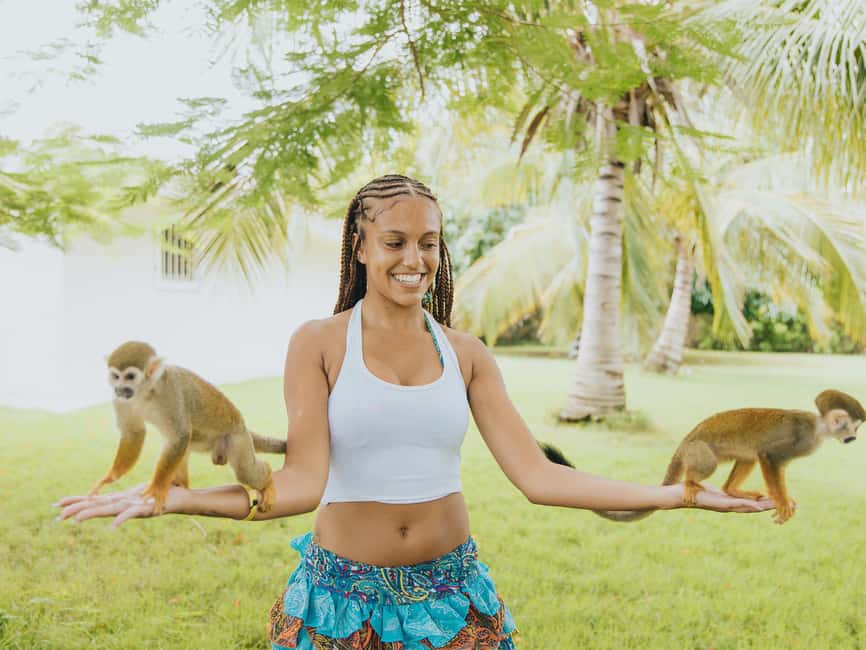
- Four monkey species, one hands-on session: capuchins plus African green and squirrel monkeys, with active social behavior around you.
- Bottle-feeding is part of the main experience: you’re not just watching from afar.
- Small-group attention: you get more time with the handlers and less waiting in line.
- Photo and video add-ons can be pricey: you’re often shown packages at the end and the costs run high.
- Punta Cana prep matters: sunscreen, insect repellent, and closed-toe shoes help because the animals are close.
- No meals included: plan food timing around the tour block so you’re not hungry afterward.
Getting to Monkey Time Smoothly From Your Hotel
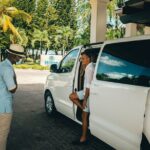
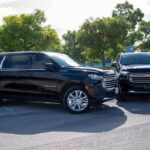
This tour is set up around convenience. You get round-trip transportation from your Punta Cana hotel, and the driver uses a sign with your name so you can find the right pickup spot without guesswork. For many people, that simple start is a big part of the value—especially in Punta Cana, where “meeting points” can be chaos.
Once everyone’s aboard, the drive funnels you into the wildlife portion without you needing to manage taxis or directions. The day’s pace stays straightforward: pickup, monkey viewing and interaction, then a short local shopping stop, and back to your hotel.
The guides are part of what makes it feel organized. You’re working with an expert-led team, and the tour runs with a live guide in English or French.
You can also read our reviews of more tours and experiences in Punta Cana.
Your First Stop: A Real Interaction, Not Just a Look-See
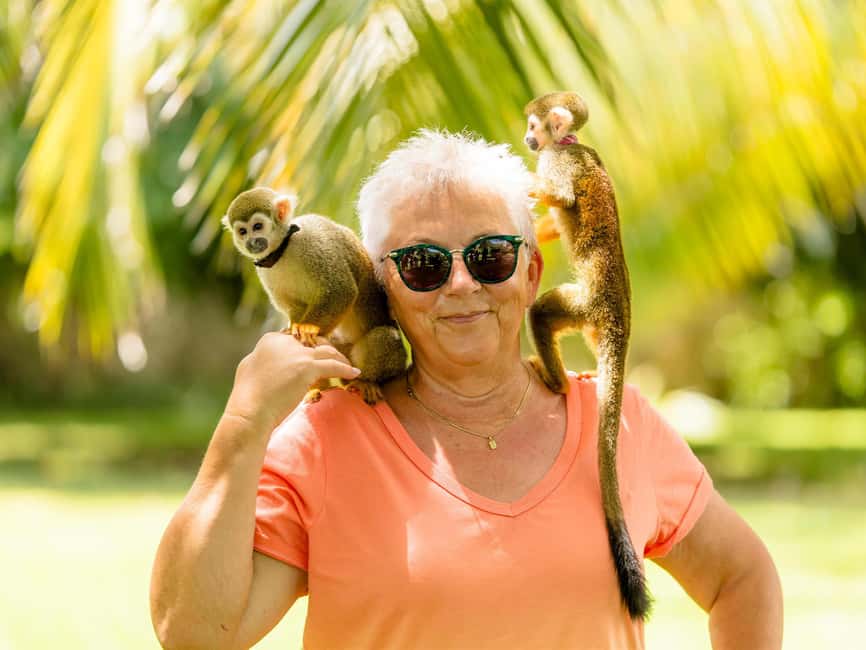
The wildlife segment is where this tour earns its reputation. You’re meeting monkeys in their habitat, with handlers present and your group kept small enough that you can actually pay attention. The whole point is proximity—these monkeys aren’t behind glass, and they may approach, climb, and interact with each other while you watch.
You’ll encounter four specific types. The weeping capuchin is known for expressive behavior and social energy. The black-faced capuchin stands out with its dark face and playful routines. You’ll also meet an African green monkey, described by its greenish fur and friendly temperament. Then there’s the squirrel monkey: small, quick, and curious in a way that can feel like they’re running on pure motion.
The guide’s job is to keep things safe and structured while letting the animals do their thing. That balance is what you’re paying for.
Bottle-Feeding the Baby Monkey: The Tender Moment
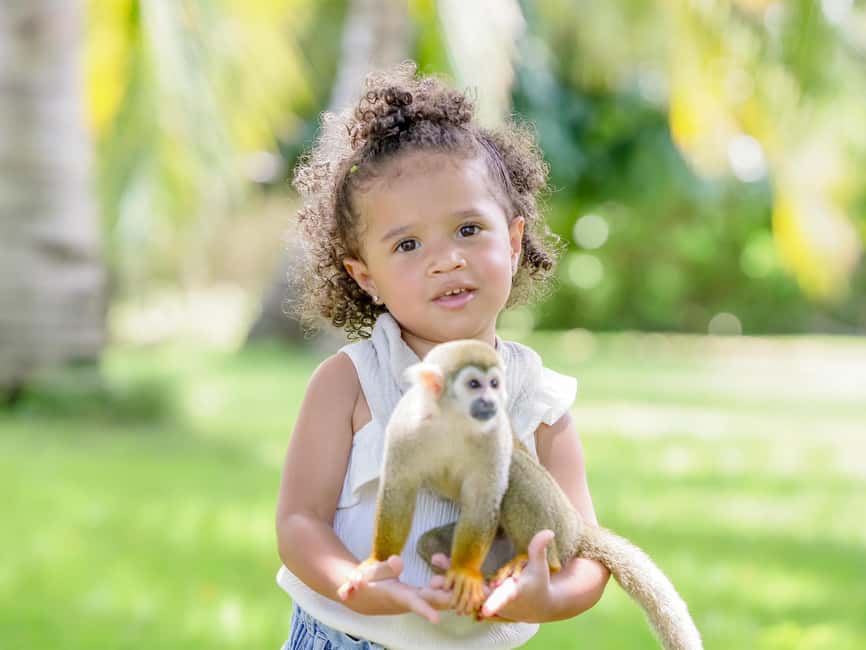
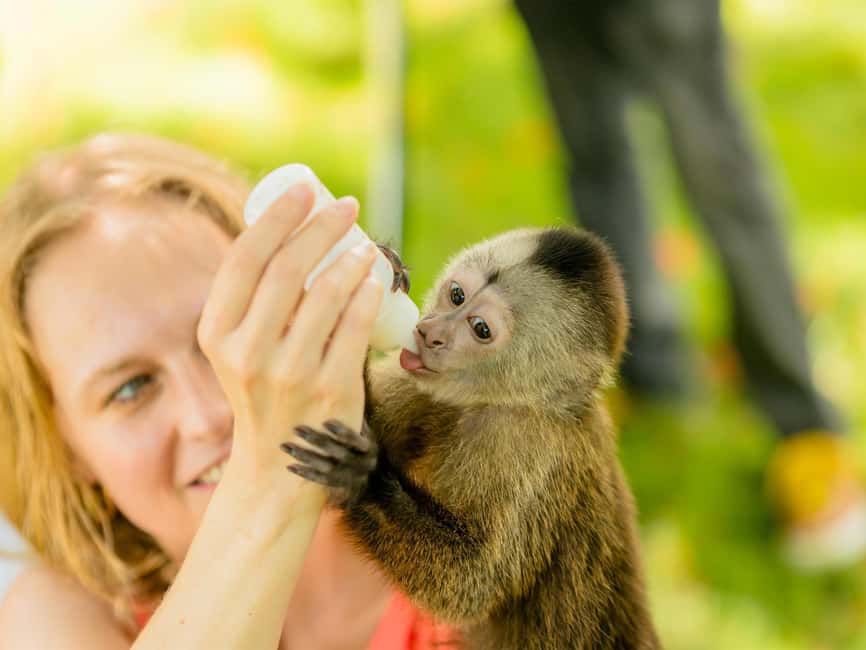
Bottle-feeding is the part that turns this from a nature watch into a personal experience. You’ll have the chance to bottle-feed a baby monkey, and the tour focuses on the gentleness of that moment—close, hands-on, and emotional in the way you’d expect from such a tiny animal.
Practically, this is where you’ll want to be ready: wear comfortable clothes you don’t mind getting splashed if something unpredictable happens. One participant noted that monkeys may pee, and you can’t fully control animal behavior—so dress accordingly. It sounds obvious, but it’s worth saying: treat your outfit like it’s for the animals, not for a photo backdrop.
Also, have your hands and movements calm. When you’re feeding and holding attention, sudden behavior can create stress for both you and the monkeys.
The Four Species Experience: Watching Them Act Like Monkeys
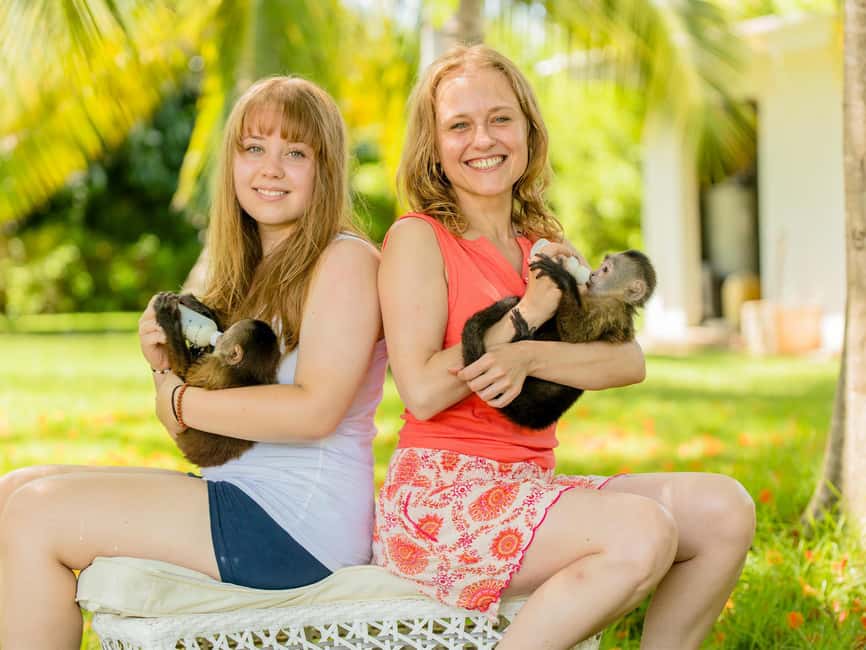
What I like about the lineup is variety. Capuchins bring expressive, social behavior, while squirrel monkeys can be startlingly fast and inquisitive. The African green monkey tends to come across as friendly, and watching how each type engages with you and each other makes the session feel longer—even if the total time is limited.
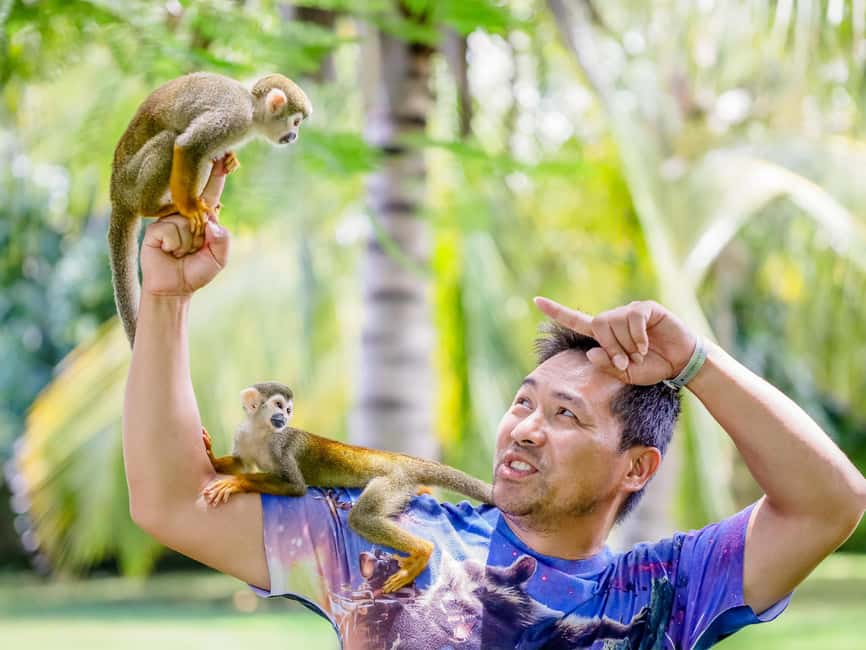
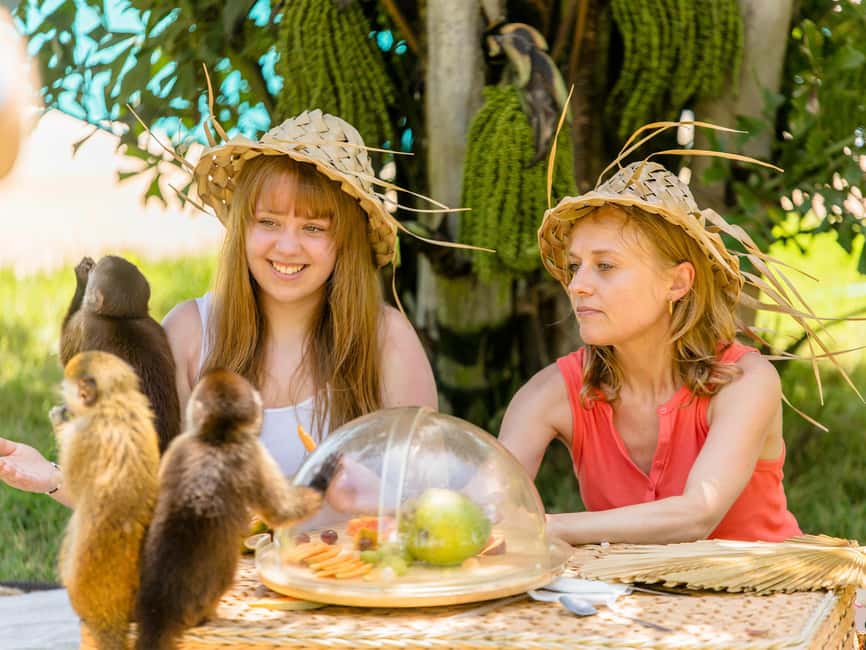
You should expect the monkeys to treat you like part of their space. They may hop from one person to another, explore your surroundings, and sometimes climb on shoulders. That’s not a staged trick you initiate—it’s animal curiosity—so you get the real chaos of monkey logic.
The handlers also help you understand what you’re seeing. You’ll get quick context on the monkeys you’re meeting, which makes the interaction more meaningful than just holding an animal for a minute.
The Photo and Video Setup: Where Value Can Slip
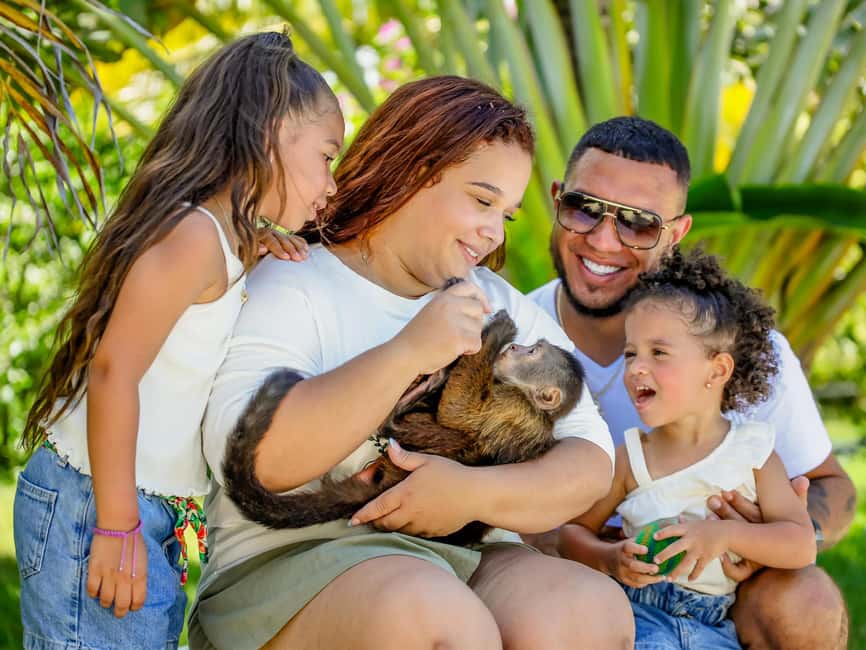
Here’s the part to go into with your eyes open. Many experiences like this make money on photo packages, and this one can be intense. You may be asked to lock your phone and/or have your device stored for part of the session so the staff can take the photos and create a curated video.
Then, after the interactions, you’re shown packages priced high, with at least some participants calling it extortionate. One person mentioned being quoted close to $300, while others referenced smaller packages that still cost a lot. Even people who loved the tour often described the photo pricing as the main downside.
At the same time, the positive angle is real: the staff take photos with you and the monkeys, and they can create a personalized video for your group. One review described a phenomenal video package made from your experience.
So how do you handle it? Decide before you go. If you’re the type who hates pressure, plan to bring a camera you’re comfortable losing the ability to use during the phone-lock part, and also plan to take your own photos only when you’re allowed. If you’re happy to buy memories, treat it as an optional add-on, not as part of the base price.

The 30-Minute Store Stop: Souvenirs With Local Flavor
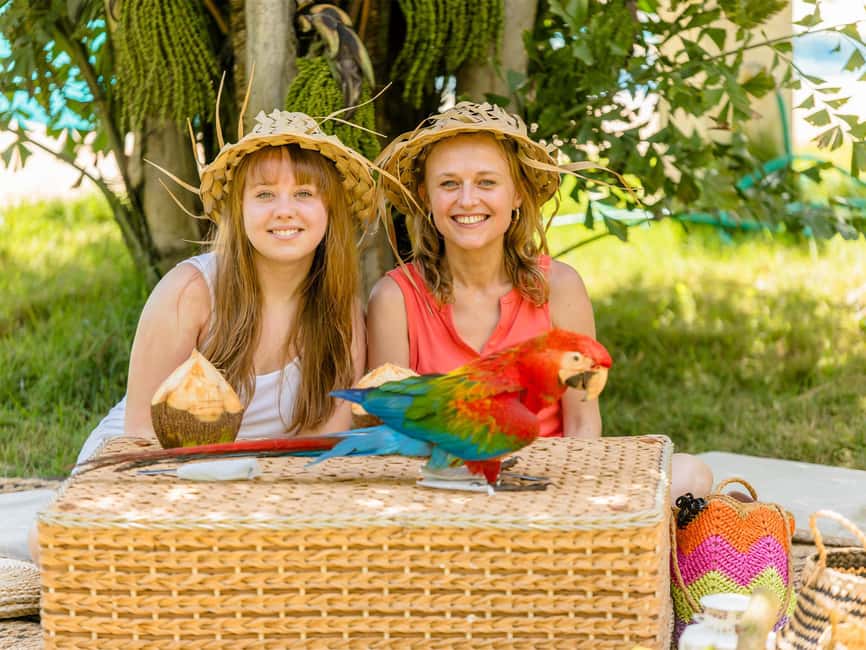
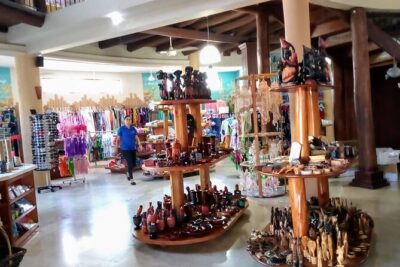
After the monkey time, you’ll head to a local store tied to the region’s handmade culture. This stop isn’t just about shopping; it’s positioned as a way to learn about local artisanal products and bring home souvenirs that represent the area.
Expect a short visit—enough time to browse and pick something small without turning the tour into a long shopping trip. If you like gift shopping that feels grounded in place, you’ll probably enjoy this part more than you expect.
If you’re skipping purchases, still take a moment to look around. The guide’s framing helps you understand what you’re seeing, and that tiny cultural context can make the souvenir more meaningful.
What’s the Total Timing Really Like?
The tour is listed as 3 hours total, with wildlife time and a shopping stop. The itinerary also points to a wildlife viewing block and a separate shopping segment of about 30 minutes, so plan your day around a tight schedule rather than a wandering half-day.
That matters because monkey interactions aren’t “you stand here until you’re bored.” The animals’ energy drives the flow. The guides keep the group moving and the interaction rolling, which is why the tour feels dynamic but also why you shouldn’t schedule something right before pickup.
Pack Like You’re Visiting Close-Contact Wildlife
You’ll get the best experience if you show up prepared for warm weather and close animal contact. Bring:
- Camera (if you want it for the allowed moments)
- Sunscreen
- Insect repellent
- Comfortable clothes
- Closed-toe shoes
Closed-toe shoes are non-negotiable. You’re in a setting where you’ll be standing near active animals and moving as the group shifts.
Clothes should be comfortable and practical. Even if you’re careful, you may end up with minor mess from curious monkeys. And Punta Cana weather is warm, so light layers that still protect your skin from sun are a good idea.
If you’re the type who hates being surprised by insects, repellent is worth it. The tour includes outdoor time where mosquitoes can be a nuisance.
Who This Tour Fits Best (and Who Should Skip It)
This is a good fit if you want an intimate wildlife interaction in a structured, guided format. It’s also well-suited to people who enjoy learning while they watch—because you’re not just sitting there; you’re feeding and interacting while someone explains what you’re seeing.
It’s not suitable for everyone. The tour explicitly notes it isn’t for pregnant women, and it’s not recommended for people with animal allergies. If either applies to you, skip it for health and safety reasons.
One more practical note: if you’re allergic or anxious around animals, the closeness might be stressful. This isn’t a far-distance safari style experience.
Is $95 a Fair Deal for Punta Cana Monkey Time?
At $95 per person for about three hours, the headline value comes from what’s included: round-trip hotel transportation, expert guides, interactive monkey time, and a store visit. That’s a lot bundled into one payment, which helps if you don’t want to plan logistics.
Where the value equation changes is the photo/video situation. If you buy the expensive packages, the effective cost can jump quickly. If you don’t buy—or you only buy a smaller set—the base price can feel more reasonable because you’re still getting the interaction and the guided experience.
So my practical take: treat the monkey time as the main purchase and the photo packages as optional extras with a high price tag. If you’re okay with that mental model, $95 can feel fair for a guided, hands-on encounter. If you hate upsells, you’ll want to pre-decide how you’ll handle the device-lock and the final shopping pitch.
Should You Book This Monkey Adventure in Punta Cana?
Book it if you want close, guided interaction with multiple monkey species, including the bottle-feeding moment, and you prefer a small-group feel over a crowded attraction. The hotel pickup is a real convenience win, and the guide-led context makes the experience more than just cuddly animal time.
Skip it if photo pressure would ruin your day or if you’re sensitive to animal closeness and unpredictable mess. Also skip if you’re pregnant or dealing with animal allergies, since the tour isn’t suitable for those situations.
If you do book, go in with a plan for the photos: decide what you want (if anything) and be ready for the device-control portion at least part of the time.
FAQ
How long is the monkey adventure tour in Punta Cana?
The tour duration is listed as 3 hours. You can also check availability for starting times.
Is round-trip hotel pickup included?
Yes. You get round-trip transportation, and the driver will help you find your pickup using a sign with your name.
Can I interact with all four monkey species?
Yes. The experience includes interactive time with four species: weeping capuchin, black-faced capuchin, African green monkey, and squirrel monkey, with bottle-feeding a baby monkey included.
Are meals included in the price?
No. Meals are not included.
What should I bring for the tour?
Bring a camera, sunscreen, comfortable clothes, insect repellent, and closed-toe shoes.
Is the tour suitable for pregnant women or people with animal allergies?
No. It’s listed as not suitable for pregnant women and people with animal allergies.