REVIEW · PUNTA CANA
Punta Cana: Zip-Lining 12 Cables
Book on GetYourGuide →Operated by Runners Adventures · Bookable on GetYourGuide
One good cable is fun. Twelve cables is a full-on flight day. This Punta Cana zip-line course lets you ride through lush mountain forest with long runs, fast transitions, and plenty of staff support from start to landing.
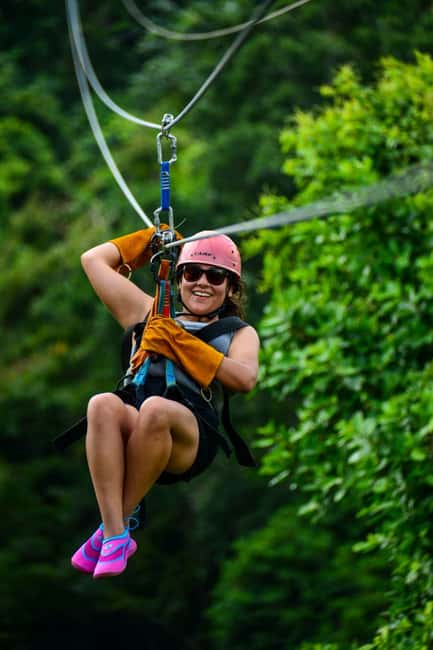
I especially like the 800-meter longest cable and the 50-second glide over the Anamuya River. I also like that you’re not just dropped off—round-trip hotel transportation is included, and guides handle the safety briefing and gear so you can focus on flying instead of figuring it out.
The main drawback to keep in mind: it’s not a laid-back sit-and-look tour. You’ll walk uphill and climb stairs between lines, and the harness can feel tight depending on your body type and comfort level.
In This Review
- Key things to know before you go
- Why Punta Cana’s 12-Cable Flight Feels Special
- The 800m Anamuya River Run and How the Course Is Laid Out
- What Happens After You’re Picked Up (Safari Truck to Welcome Center)
- Between Cables: The Real Workout Part Nobody Sells on the Brochure
- Safety, Harness Fit, and Staff Who Keep You Moving Right
- Cultural and Plantation-Style Time on Site
- Price and Value: Is $90 a Good Deal for 12 Cables?
- Timing, Logistics, and the One Thing to Double-Check
- Who This Zip Line Tour Is Best For
- What to Bring (So You Don’t Regret It Mid-Day)
- Should You Book This Punta Cana 12-Cable Zip Line?
- FAQ
- How long is the Punta Cana zip-lining tour?
- How many zip lines and platforms are included?
- What is the longest cable length and what does it cross?
- What’s included in the price, and what costs extra?
- Are there age limits, and can kids ride all cables?
- Are there weight or health restrictions?
- What should I wear or bring?
Key things to know before you go
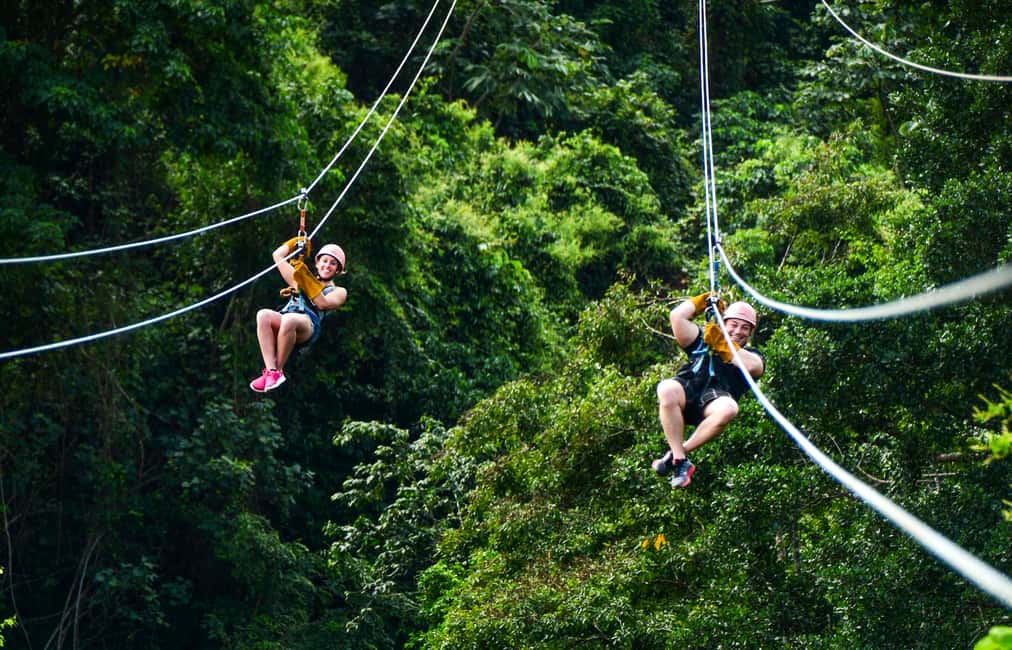
- 800 meters over the jungle: the longest cable is about 800m (roughly 2,600 feet)
- Anamuya River for about 50 seconds: one standout run crosses the river below you
- 12 zip lines across 18 platforms: multiple climbs and smooth transitions keep the momentum up
- Hotel pickup in Punta Cana area: pickup covers Punta Cana, Bávaro, Macao, Cabeza de Toro, and Uvero Alto
- Fit and weight limits matter: max 127 kg (280 lb) and max 112 cm waist circumference
- Some days include a cultural stop: a guided plantation-style add-on with tastings and local products is mentioned by previous riders
Why Punta Cana’s 12-Cable Flight Feels Special
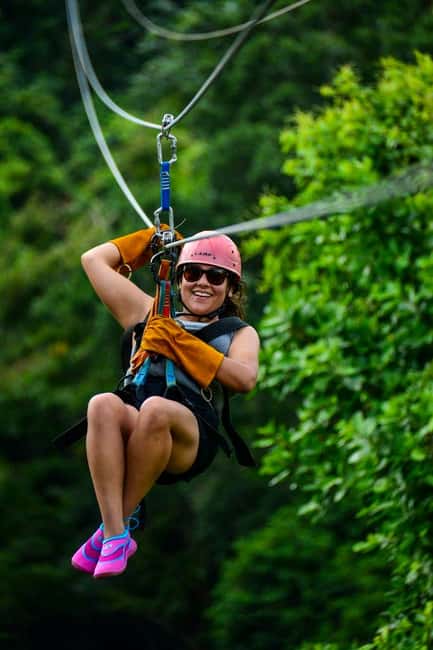
Punta Cana zip-lining isn’t just about speed. Here, the course is strung across the Cordillera Septentrional mountain range, so you get that changing view—jungle, ridgelines, and river. It’s the kind of setting where your brain goes quiet for a few seconds at a time because you’re just watching the terrain slide by.
The big win is the mix of long cables and constant motion. With 12 zip lines and 18 platforms, you stay in the action instead of waiting around for a single highlight. That matters if you’re the type who hates tours that feel overfast at the price—or underwhelming after paying extra.
Two more things I like for real-world comfort: you get water and soft drinks, and you get fresh fruit on the included side of the day. Small things, yes, but they help when your legs are working uphill between rides.
You can also read our reviews of more tours and experiences in Punta Cana.


The 800m Anamuya River Run and How the Course Is Laid Out
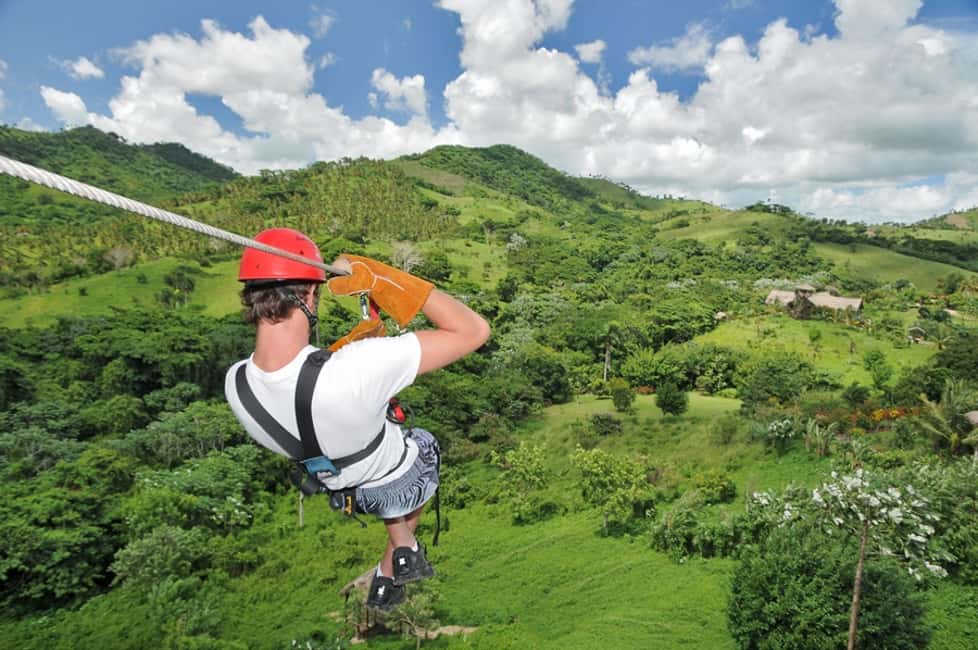
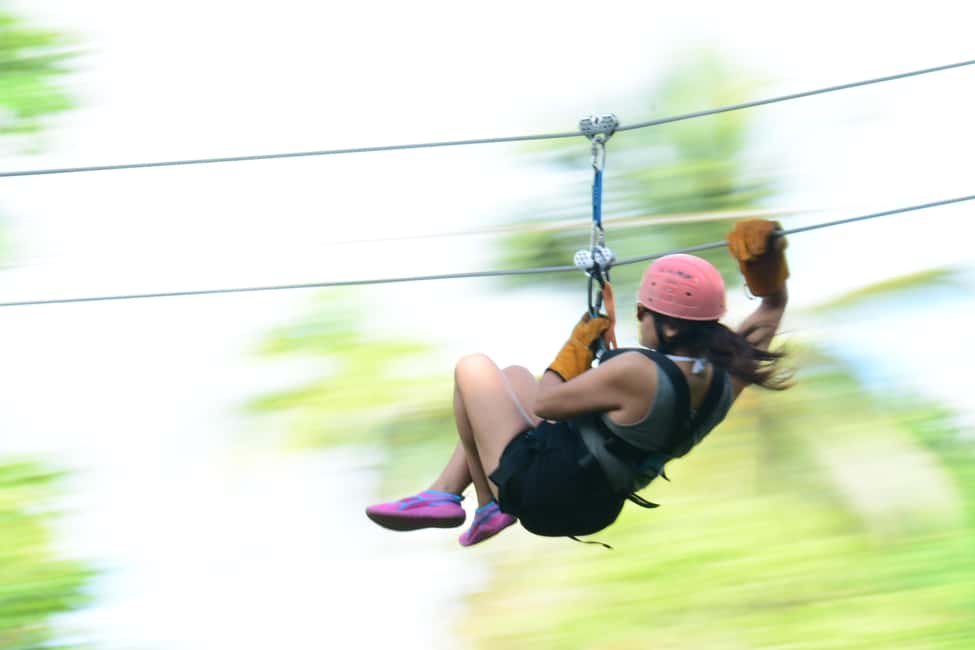
One run is doing a lot of the selling here, and it’s for good reason. The longest cable is listed at 800 meters, and it hovers directly over the Anamuya River for about 50 seconds. That’s long enough for the moment to feel more cinematic than frantic.
The course is built on a platform-to-platform rhythm: you’ll go from stance to click-in, then off you go, then walk uphill or climb stairs to reach the next station. Some riders find the harness comfortable, while others say it can feel awkward around where it sits. If you’re picky about gear fit, show up wearing comfortable clothes that won’t chafe.
Also note how the ride is paced. Even when it feels safe and smooth, the platform changes can be quick. If you want long photo pauses on each landing, plan to compromise.
What Happens After You’re Picked Up (Safari Truck to Welcome Center)
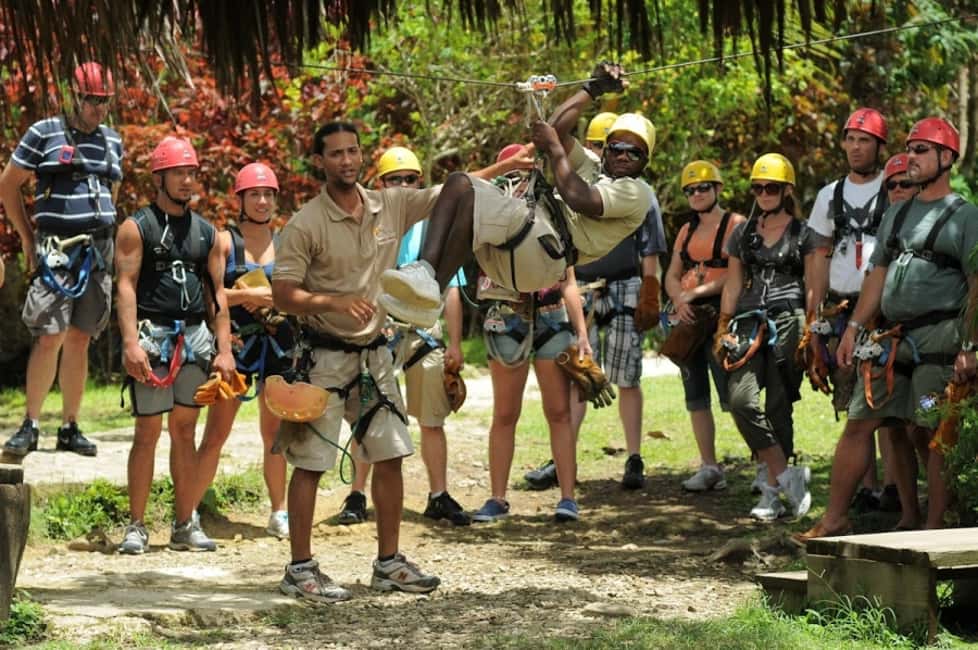
Most people don’t start the day near the actual cable course. You’ll board a safari truck-style transportation for a 45-minute drive into the area, and then you’ll transition at the Welcome Center.
At the welcome spot, there’s a safety briefing before you reach the first platform. This is where the staff explains how to use the equipment and how the ride works—so you don’t just learn by trial. One reason this tour earns high marks is that guides tend to keep the rules clear and the gear check thorough.
You’ll also see why the driver and guide team matters. In past experiences, riders praised staff by name—people like Ruddy with driver Jose, Jorge and guide Gregory, and instructors such as Hamlet, Max, and Amado. Even when transportation timing is messy, staff who communicate well tend to bring the day back into control fast.
Between Cables: The Real Workout Part Nobody Sells on the Brochure
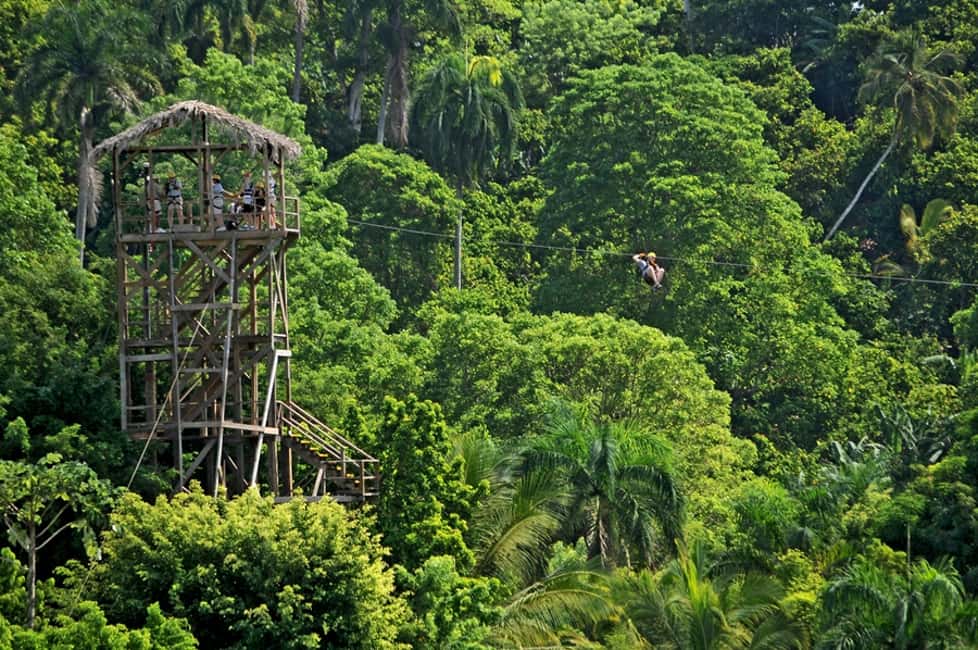
Zip lining is often marketed like pure fun. This one adds a physical component that you should know up front. Between lines, there’s a lot of uphill walking and stairs. Even fit adults have taken breaks to catch breath, and older riders may find it tiring.
This is also where the course design shapes your experience. Because the lines are strung close to each other, transitions happen back to back, and your body feels that cadence. If you’re carrying extra weight, dealing with joint issues, or you tire quickly on slopes, it can turn into the main event instead of the bonus.
If you’re going, wear closed-toe shoes with a grippy sole. You’re walking on uneven terrain, moving between platforms, and you don’t want to be thinking about traction every five minutes.
Safety, Harness Fit, and Staff Who Keep You Moving Right
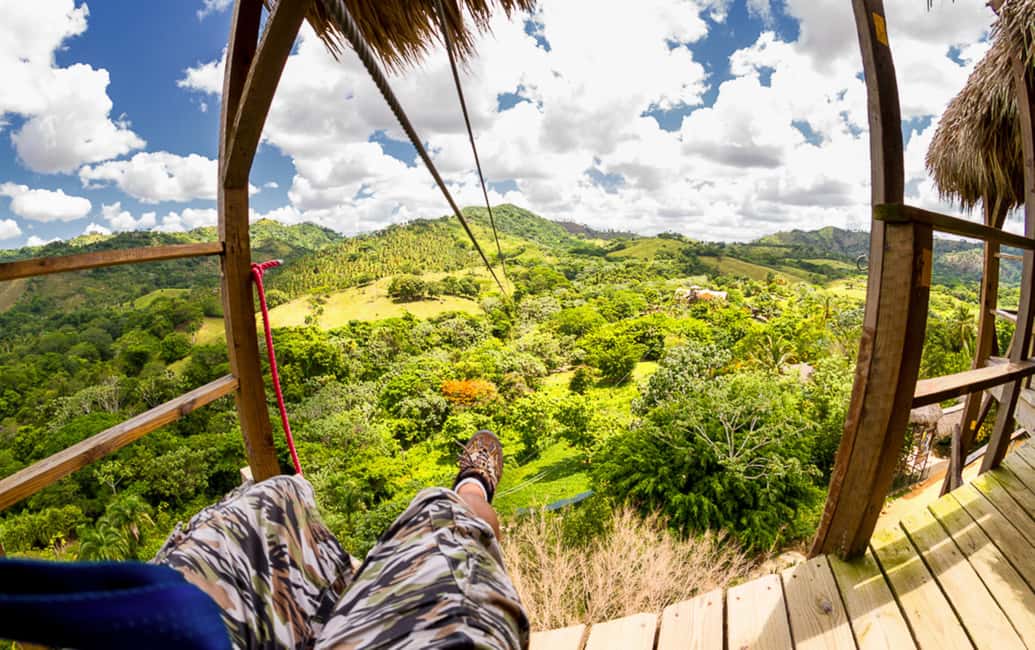
Safety is a recurring theme in the feedback—people say safety comes first and that they never felt unsafe. That lines up with what you’d hope to see in a well-run operation: gear checks, clear instructions, and staff positioned to help at the right time.
That said, comfort is personal. Some riders report the harness can be uncomfortable around sensitive areas, which is something you can’t fully predict in advance. The best move is to stay attentive during the fitting so the staff can adjust it to your body as much as the system allows.
The ride itself is also described as smooth, with transitions that don’t feel chaotic. You still need to follow instructions quickly, especially when guides are trying to keep a steady flow so the whole group moves as a unit.



Cultural and Plantation-Style Time on Site
This tour doesn’t only end at the cables. There’s often a guided cultural stop at the location, described as a plantation-style add-on. Riders mention learning about local products and how items like chocolate and coconut oil are made.
People also talk about tastings—like local coffee and hot chocolate—and seeing products such as oils and butters you can purchase on site. It’s a nice break from your adrenaline level dropping too fast. It also helps you feel connected to the place beyond the thrill.
If you’re someone who likes simple cultural context—schools, livelihoods, how products are made—this adds value without turning the day into a lecture. Just keep expectations realistic: it’s not a long museum visit. It’s short, practical, and geared to tour flow.
Price and Value: Is $90 a Good Deal for 12 Cables?
At $90 per person for about 5 hours, the value comes down to what’s included. You get round-trip transportation from your hotel, water and soft drinks, fresh fruits, and experienced guides.
The “included” part matters because it removes hassle. You’re not hunting taxis, calculating timing, or paying separately for drinks once you’re tired and hot. With tours in the Punta Cana area, that convenience can easily add up.
The ride volume also helps justify the price: 12 zip lines between 18 platforms is more than many short cable experiences elsewhere that only cover a handful of lines. If you’re comparing against similar day trips, this course structure is the reason people call it worth it.
What costs extra: pictures and souvenirs. If those matter to you, decide in advance whether you want to budget for them. If not, you can still enjoy the day without feeling pressured to buy.
Timing, Logistics, and the One Thing to Double-Check
This is a 5-hour activity overall, and your pickup time is confirmed by email the day before. In theory, that’s straightforward. In practice, some riders have warned about transportation being tricky—like a late bus or communication gaps.
My practical advice: confirm your pickup window the evening before, and keep an eye on your email. Also, have your phone charged and accessible so you can respond quickly if staff reaches out.
One more small lesson: bus seating can be awkward. If you’re sensitive to motion or have back comfort issues, it’s worth choosing a seat thoughtfully when you board.
Who This Zip Line Tour Is Best For
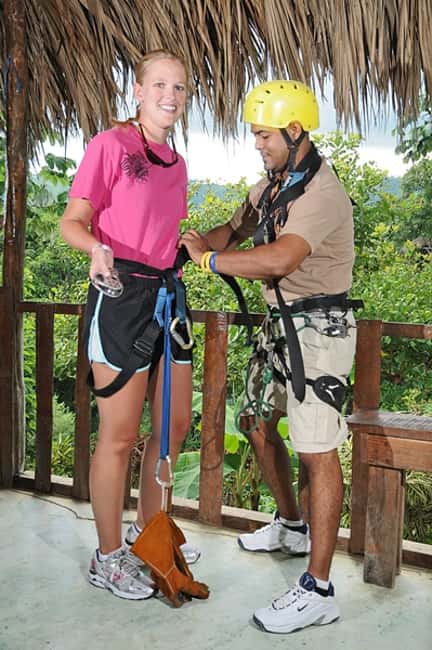
This is a strong fit if you want an active day and you’re okay with steps. First-timers often do well because the staff teaches you how to ride and checks your setup before you go.
It’s also a good match for couples and groups who want a shared “we did it” experience. The cables are back to back, so the energy stays high, and the day moves at a pace that prevents overthinking.
It’s not for everyone. The tour is not suitable for pregnant women, people with mobility impairments, wheelchair users, or people with heart problems. Kids under 5 can’t ride, and kids 6 to 12 only ride the first 8 cables.
You also have strict limits: max 127 kg (280 lb) and max waist circumference 112 cm (44 inches). If you’re near the upper limits, check before you go so there are no surprises on the day.
What to Bring (So You Don’t Regret It Mid-Day)
Pack for a day where you’ll be active, walking, and climbing between platforms. The basics the tour requests are:
- Comfortable clothes
- Closed-toe shoes
Bring your own water only if you know you’ll want extra beyond what’s included. Water and soft drinks are part of the tour, but hydration needs vary when you’re walking uphill and sweating in humidity.
Also think about personal items for photos. Pictures aren’t included, and some staff will take photos or sell them later. If you’re using a camera or action cam, handle it carefully—there’s even a story of staff helping find a GoPro after it was dropped on a line.
Should You Book This Punta Cana 12-Cable Zip Line?
Book it if you want a real zip-lining day with 12 cables, a standout 800m run, and a river glide that lasts long enough to register as a memory. The added cultural stop can be a bonus if you like learning simple, hands-on context without extra effort.
Skip it (or choose something gentler) if you hate stairs, struggle with hills, or need a low-movement tour. The harness fit can be uncomfortable for some people, and the transitions can feel rushed if you’re hoping for slow, scenic breathing room.
If you’re healthy, steady on your feet, and you’re excited by the idea of being in motion for hours, this one looks like a solid value in La Altagracia.
FAQ
How long is the Punta Cana zip-lining tour?
The duration is about 5 hours.
How many zip lines and platforms are included?
You’ll ride 12 zip lines between 18 platforms.
What is the longest cable length and what does it cross?
The longest cable is listed as 800 meters (about 2,600 feet), and it hovers over the Anamuya River for about 50 seconds.
What’s included in the price, and what costs extra?
Included: transportation from and to your hotel, water and soft drinks, fresh fruits, and experienced guides. Not included: pictures and souvenirs.
Are there age limits, and can kids ride all cables?
Children under 5 can’t participate. Kids 6 to 12 can ride only the first 8 cables.
Are there weight or health restrictions?
Yes. The maximum weight is 127 kg (280 lb) and maximum waist circumference is 112 cm (44 inches). The tour is not suitable for pregnant women, people with mobility impairments, wheelchair users, or people with heart problems.
What should I wear or bring?
Wear comfortable clothes and closed-toe shoes. Also note that snacks are not provided due to COVID-19 preventative measures, as stated in the tour information.