REVIEW · PUNTA CANA
The Ultimate Dominican Horseback Riding Adventure
Book on Viator →Operated by Rancho Cana Tequila · Bookable on Viator
Horseback riding in Punta Cana, but not on the beach.
This 5-hour Dominican ranch ride takes you off the resort strip and into 1,000 acres of real working land, with instruction for first-timers and guides who talk you through what you’re seeing. You’ll ride through tropical pockets, past ponds and cattle areas, then climb toward big panoramic views—plus a traditional Dominican lunch and a Paso Higueyano horse exhibition.
Two things I really like. First, the small group size (10 or fewer) and the hands-on coaching mean you’re not stuck watching from the sidelines. Second, the day isn’t only about riding. You’ll also get cultural add-ons like cocoa planting and a ranch-style meal, which makes the experience feel tied to daily rural life rather than a set photo stop.
One consideration before you go: even with safety briefings and helmets listed as included, a small number of riders have reported inconsistencies on helmet use and the fit/training level of their assigned horse. If you’re brand new, take the instruction seriously, ask questions in the moment, and be honest if anything feels off with control or comfort.
In This Review
- Key things to know before you ride the Rancho Cana Tequila trail
- Why this Punta Cana horse tour feels more Dominican than the beach
- The drive to Higüey: small-town views plus a cathedral stop
- Ranch check-in: riding instructions, security rules, and helmet reality
- The ride itself: 5.93 miles in tropical terrain with a big mountain-top payoff
- Cultural add-ons between the trail and lunch: cocoa, wild fruit, and Paso Higueyano horses
- Traditional lunch at the ranch: what you’ll eat and why it feels different
- Paso Higueyano show and ranch grounds: a rare peek behind the curtain
- Price and value: how $79 stacks up for this full 5-hour ranch experience
- Who should book this horseback riding adventure (and who should reconsider)
- Should you book this Punta Cana ranch ride?
- FAQ
- What’s the duration of the horseback riding tour?
- Where is the tour located?
- Is hotel pickup included?
- What’s included with the ride and lunch?
- How big is the group?
- Do I need riding experience?
- Is the tour refundable if I cancel?
Key things to know before you ride the Rancho Cana Tequila trail
- Small-group pace: 10 people or fewer helps you get more direct attention and clearer instruction.
- Beginner-friendly setup: you get riding guidance and safety briefing before mounting.
- Big view payoff: the ride includes a climb to a viewpoint with wide panoramic scenes and even swings at the top.
- More than riding: cocoa bean sowing and wild fruit tasting add a hands-on Dominican touch.
- Paso Higueyano show: you’ll see and learn about the Dominican national horse.
- Best value timing: mornings often beat afternoon heat, so if you’re flexible, that’s often the easier ride.
Why this Punta Cana horse tour feels more Dominican than the beach
If you’ve only done beach activities around Punta Cana, a ranch ride can feel like stepping into a different country—because it is. This tour is built around a real cattle property (1,000 acres), not a seaside spectacle. That changes everything: you’re surrounded by working-ranch sounds, cattle handling, and the kind of rural scenes that don’t show up behind hotel walls.
Also, it’s priced in a way that actually makes sense for the day. At $79 per person, you’re paying for transportation, a long trail experience, and a full cultural stop with lunch. It’s not a “just a quick ride” add-on. The time on the property and the included meal and drinks are where the value lands.
And you don’t need to be a seasoned rider. The tour is designed so beginners can participate. I like that because horse riding in a foreign place can get intimidating fast. Here, you’re coached before you’re asked to do anything complex.
You can also read our reviews of more tours and experiences in Punta Cana
The drive to Higüey: small-town views plus a cathedral stop
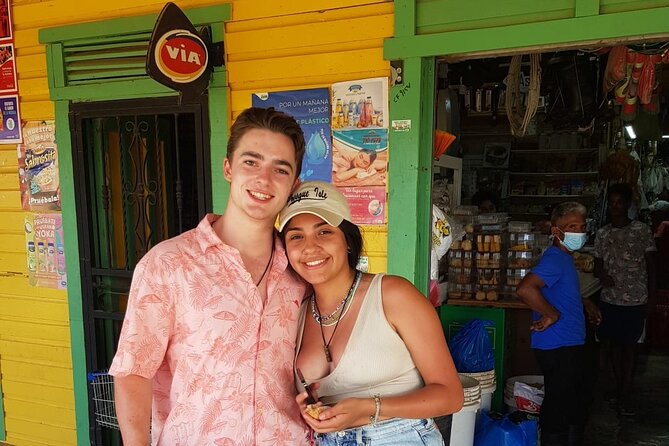
Before you even reach the ranch, you’ll get a scenic transfer that helps you understand the setting. Your transport picks you up from your hotel, and then you head toward the area around Higüey, passing through quaint towns and getting standout road views.
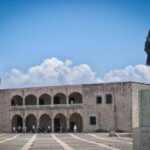
There’s also a stop tied to local identity: a panoramic tour connected to the Cathedral of Our Lady of La Altagracia. Even if you don’t spend much time inside, the moment is more than a quick photo. It gives you a sense of how important this region is to Dominican religious and cultural life.
Practically, this matters because it breaks up the day. Instead of “transfer, ride, done,” you ease into the experience. It also helps if you’re traveling with kids or non-riders who might not want a pure adrenaline schedule.
Ranch check-in: riding instructions, security rules, and helmet reality
At the ranch, you’ll be greeted by staff and taken through safety measures and riding instruction before you mount. This is where you want to pay attention. Even if you’ve sat on a horse before, listen for how they want you to hold the reins, how to signal, and how to behave around other horses.
Helmets are listed as included, and the majority of riders report a smooth, safe setup. Still, since a few people have described helmets not being provided on their day, I’d treat this as a simple checklist item: confirm you have a helmet that fits before you start moving.
Another smart detail: the staff and guides supervise the ride, including ranch tasks like herding cattle around the property. That means you’re not just “strolling on a horse.” You’re part of a controlled ranch flow, which is exactly why the pre-ride briefing matters.
Finally, you’ll likely be assigned a horse that suits your level. Many riders describe the horses as well cared for and easy to manage, even for first-timers. If you’re nervous, say so early. The tour works best when you match the horse to the rider instead of trying to tough it out.
The ride itself: 5.93 miles in tropical terrain with a big mountain-top payoff
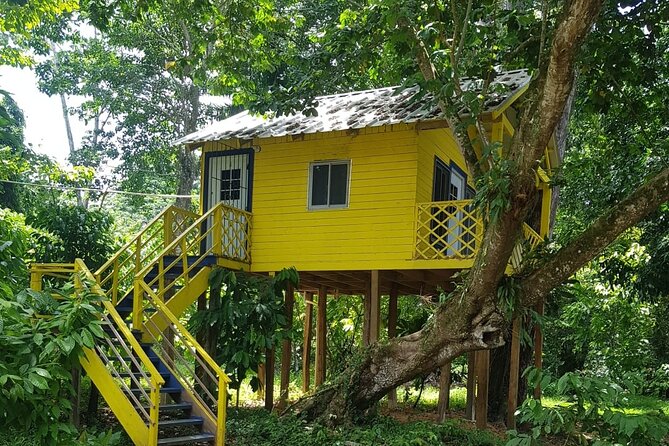
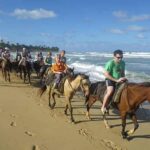
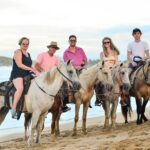
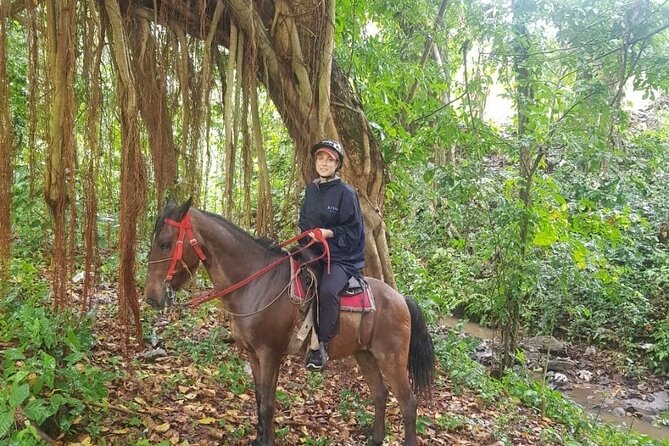
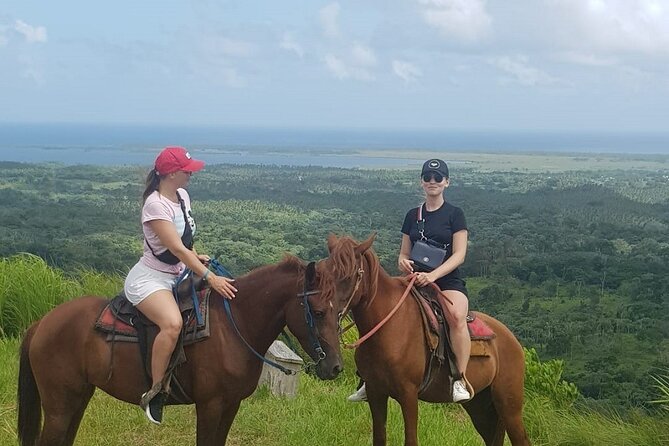
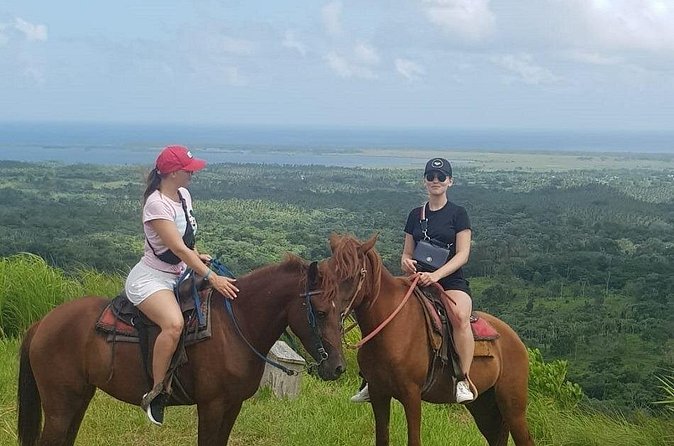
The signature part is the trail. Expect a ride lasting about 2.5 hours over roughly 5.93 miles, with the full tour totaling around 5 hours once transportation is included. You’ll move through tropical forest-style areas, past ponds and along hills, and you’ll feel the difference between flat riding and the moments where the terrain asks more of you.
What I think most people fall in love with is the combination of pace and scenery. You’re not sitting in a line of identical “look over there” stops. Instead, the guide provides navigation and commentary, pointing out plants and rural life while you’re moving.
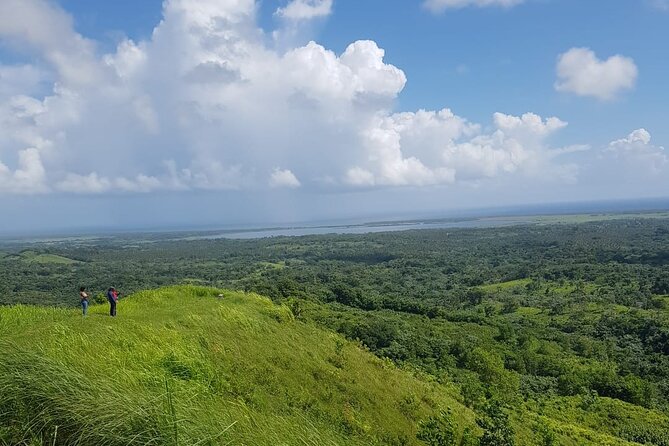
One standout from rider experiences: the climb toward the mountain viewpoint is a real moment. You’re not just seeing a distant horizon from the ranch yard. You reach a 360-degree panoramic view from higher ground. At the top, some riders mention swings, which turns the viewpoint into something you’ll remember with more than just a single snapshot.
You may also see cattle activity up close. The ranch work is part of the story, and it’s managed with guides. That’s exciting, but it’s also why you should keep your focus during transitions—mounting, crossing, and any time the group starts to bunch up.
Cultural add-ons between the trail and lunch: cocoa, wild fruit, and Paso Higueyano horses
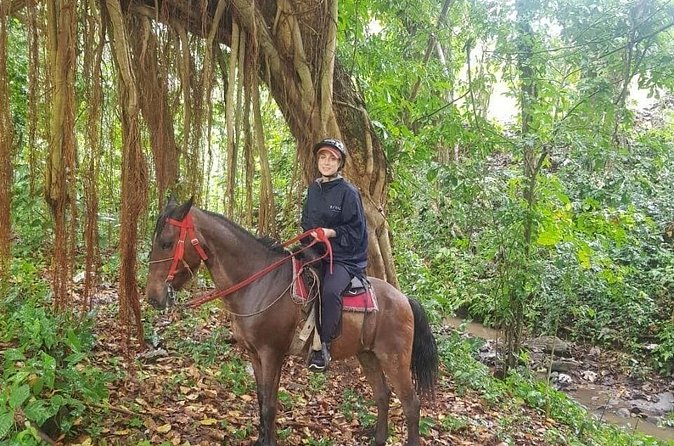
This tour earns its cultural credit because it’s hands-on. After the ride, you’ll get a chance to plant cocoa beans on the property. It’s quick, but it makes your day feel grounded in what grows here and what the land produces.
Then comes the sensory part: tasting tropical fruits that grow in the wild on the ranch. If you’ve only eaten fruit in packaged form, this is a nice contrast. You’re tasting the region’s flavors where they actually grow.
You’ll also see an exhibition of the Paso Higueyano horses—the Dominican national horse. This is more than a show-and-tell. The point is to see what makes the breed special and to understand why horse culture matters in rural Dominican settings.
From a traveler’s lens, these stops are valuable because they turn “I rode a horse” into “I connected with the ranch lifestyle.” That’s the difference between a generic activity and a day that actually changes how you understand the place.


Traditional lunch at the ranch: what you’ll eat and why it feels different
Lunch is part of the deal, and it’s not positioned as a sad afterthought. Many riders describe the ranch-style meal as the best food they had during their trip.
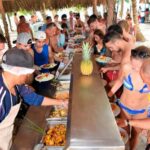
Expect a traditional ranchero lunch with basics like salad, rice and beans, chicken, and plantains. You’ll also have water plus coffee and tea listed as part of the experience. Some day-part details shift based on whether you ride in the morning or afternoon, but the core idea stays the same: you eat on the property after the ride, not back at a resort buffet.
Why this matters: food served in a ranch setting tastes like a continuation of the day. It’s one more way the tour stays tied to local daily life rather than turning into a chain-restaurant stop.
If you’re the type who worries about “tour food,” don’t. Based on the overall tone of rider experiences, the lunch is one of the most positive parts, and it often lands as a highlight.
Paso Higueyano show and ranch grounds: a rare peek behind the curtain
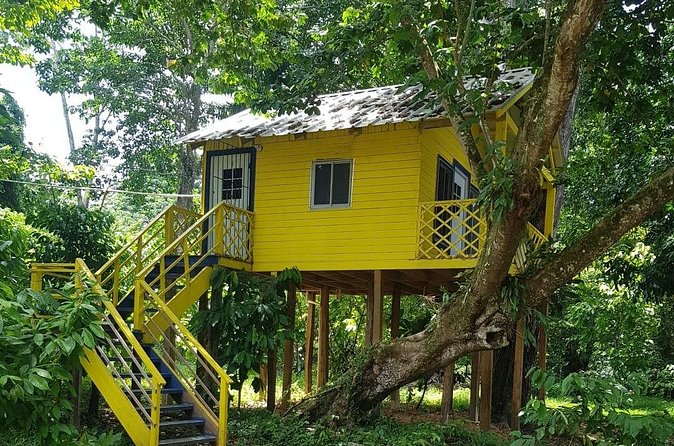
The ranch is built for the full day—horse care, cattle management, and visitor experience all in the same space. After your ride, you’re not rushed off immediately. You’ll have time to see the stallions and learn about Paso Higueyano horses.
This is also where the small-group structure helps again. With 10 or fewer people, you’re less likely to feel like you’re in a cattle-drive of tourists. You get a more personal flow: mount, ride, take in the viewpoint, eat, then observe the horse exhibition.
And because you’re on private property, you’re seeing a version of the Dominican countryside that most visitors only catch from a moving car. You leave with the feeling that you visited a real working place, not a staged set.
Price and value: how $79 stacks up for this full 5-hour ranch experience
Let’s be honest: $79 can either feel like a steal or like a gamble, depending on what’s included. Here, the math works better than many “horse tours” because you get:
- A longer riding block (about 2.5 hours)
- Transportation round-trip from your hotel
- Instruction and safety briefing
- Lunch plus drinks (water, coffee, tea, and tropical fruit options)
- A Paso Higueyano exhibition
- Cultural touches like cocoa planting and fruit tasting
Also, the group size is small. That usually translates to better attention. You’re less likely to feel ignored if you need help handling the reins or if your horse needs a gentle adjustment.
Could it be perfect every single day? No tourism ever is. But at this price point, you’re buying a full ranch half-day with multiple experiences layered in. If your goal is the most Dominican day you can squeeze into a Punta Cana stay, this is a strong candidate.
Who should book this horseback riding adventure (and who should reconsider)
This tour fits best if you want something active but not extreme. Beginners can participate because instruction is included and riders are supported before and during the ride.
It also works well for families. Several rider experiences include kids who did well with the guidance. The ride is a real trail experience, but it’s handled in a way that can be manageable for many first-timers.
On the other hand, if you have back problems or balance issues, you should think carefully. Horseback riding involves constant micro-movements, and even a gentle horse ride can aggravate stability concerns. Also, because a few riders have described safety/horse-control issues on their particular day, you should take the briefing seriously and ask for reassignment if your horse feels hard to control.
If you’re the kind of rider who needs very advanced handling or you want a highly consistent, mechanical-feeling ride, you might prefer a different style of equestrian experience. This one is ranch-based, with living animals and supervised tasks.
Should you book this Punta Cana ranch ride?
I’d book it if you want a day that feels genuinely Dominican: ranch-country horseback riding, a mountain viewpoint, cocoa planting, wild fruit tasting, and a Paso Higueyano horse exhibition—then you eat a traditional meal on-site.
I’d hold off or ask tougher questions first if you’re very new and nervous about control, or if helmet use and safety briefing details matter to you above all else. Just do what smart riders do: confirm your helmet fit, listen to the instruction, and speak up immediately if you don’t feel safe or if you can’t manage your horse.
FAQ
What’s the duration of the horseback riding tour?
The tour runs about 5 hours total, including transportation to and from the ranch.
Where is the tour located?
It takes place in Punta Cana, Dominican Republic, with the riding activity on a large ranch property.
Is hotel pickup included?
Yes, pickup is offered.
What’s included with the ride and lunch?
You’ll get use of a helmet (listed as included), bottled water, instruction and safety briefing, and a ranchero lunch. Coffee and tea plus water are also listed, along with tropical fruit drinks/platters depending on the time.
How big is the group?
The tour is small-group, with 10 people or fewer.
Do I need riding experience?
Most travelers can participate, and the tour includes instruction. You should still wear jeans or long pants.
Is the tour refundable if I cancel?
Free cancellation is available. You can cancel up to 24 hours in advance for a full refund, and changes within 24 hours aren’t accepted. The experience also depends on good weather.