REVIEW · PUNTA CANA
Bávaro: Scuba Diving Experience for Beginners
Book on GetYourGuide →Operated by Grand Bay Of The Sea, Dive Center · Bookable on GetYourGuide
Breathing underwater is weirder than you expect. This beginner scuba session in Bávaro (Punta Cana area) gives you real control practice, then real time watching tropical life close up. You go with a trained instructor, clear water, and a setup built for first-timers.
What I love most is the patient coaching. In the feedback I saw, people kept saying the team explained everything clearly and stayed calm while you figure out the regulator and your timing underwater. The other big win is the smooth, well-loved transport: pickup in Bávaro, a short van ride, and everything runs on schedule with friendly communication.
One consideration: this isn’t a full certification course, and you do need to be comfortable in the water. If you have heart problems or respiratory issues, you should skip this and look for a medical-clearance route with a different type of activity.
In This Review
- Key things to know before you go
- Why Bávaro Punta Cana is a good match for first-timers
- The 210-minute day plan: pickup, coaching, and time under water
- What happens before you go under: the basics you actually need
- Going to 6–12 meters: what your first underwater session feels like
- Equipment and transport: the practical side that makes or breaks day trips
- Who this is best for, and who should skip it
- Price and value: does $100 make sense for a first scuba try?
- A few smart tips to make your first underwater session smoother
- Should you book this beginner scuba experience?
- FAQ
- Where does the experience start?
- How long is the program?
- What depth will I reach?
- How long will I be underwater?
- Is this a scuba certification course?
- What’s included in the price?
- What language will the instructor speak?
- What should I bring and what can’t I do?
Key things to know before you go
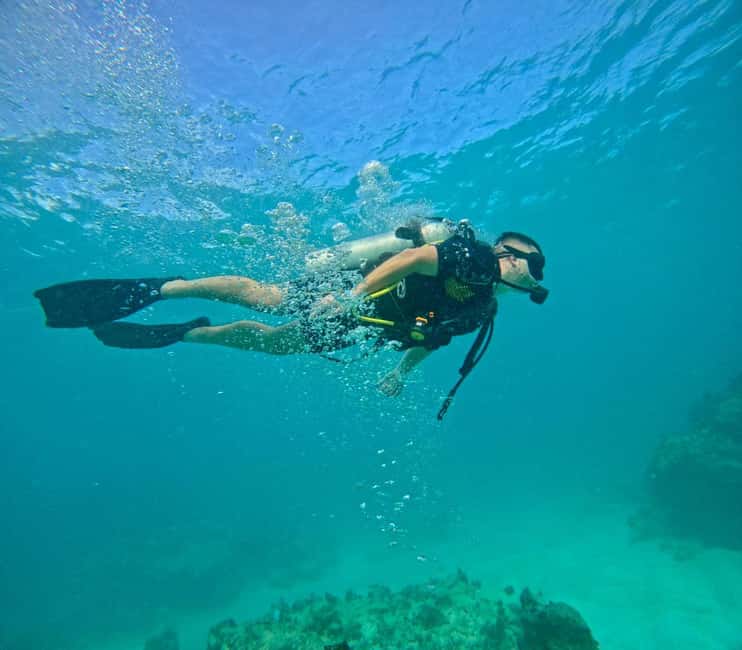
- 6 to 12 meters depth plan with a minimum of 30 minutes under water
- Beginner-friendly instruction focused on breathing, comfort, and safety before you go down
- No certification issued, but it may count as a first step toward open-water training
- All equipment and transportation included, so you’re not hunting gear
- Careful rules around marine life: you won’t be allowed to touch animals or plants
- Good day-of coordination, including WhatsApp-style contact and an excellent driver in many comments
Why Bávaro Punta Cana is a good match for first-timers
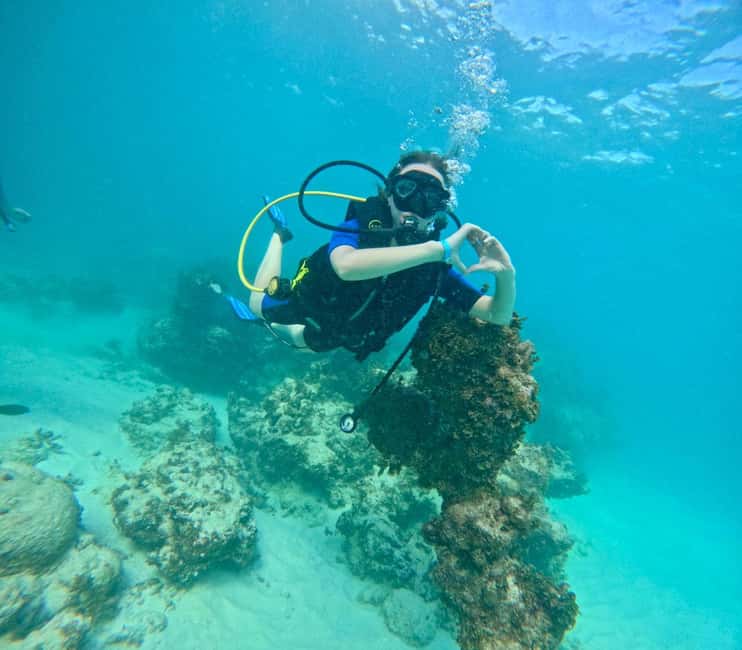
Punta Cana’s coastline is popular for a reason: it’s built around easy access to the water and frequent beginner setups. This particular experience is designed around a controlled depth range (6 to 12 meters). That matters because it keeps the first outing from feeling like a random experiment.
The other reason this area works is simple: you’re not spending your whole trip figuring out logistics. Pickup is in Bávaro, and the schedule is compact—van time up front, a focused instruction window, then you’re back. For a first scuba try, that pacing reduces stress.
You can also read our reviews of more scuba diving tours in Punta Cana
The 210-minute day plan: pickup, coaching, and time under water
Total time is about 210 minutes, so plan for a half-day commitment. You start with pickup in Bávaro, then ride by van for around 20 minutes to the activity area. After that, you’ll be at the guided part for about 2 hours, and then you head back to Bávaro.
Here’s the practical meaning of that timing. You don’t just show up and immediately go underwater. You get a real setup period—gear, rules, and breathing practice—so your first “what now?” moments happen while the instructor is right there.
You should also know that the program includes at least 30 minutes under water. Some people find that 30 minutes goes fast once you get comfortable. Others feel it slower at the start, especially if breathing the regulator feels unfamiliar. Either way, the key is that the team is there to guide you through the learning curve.
What happens before you go under: the basics you actually need
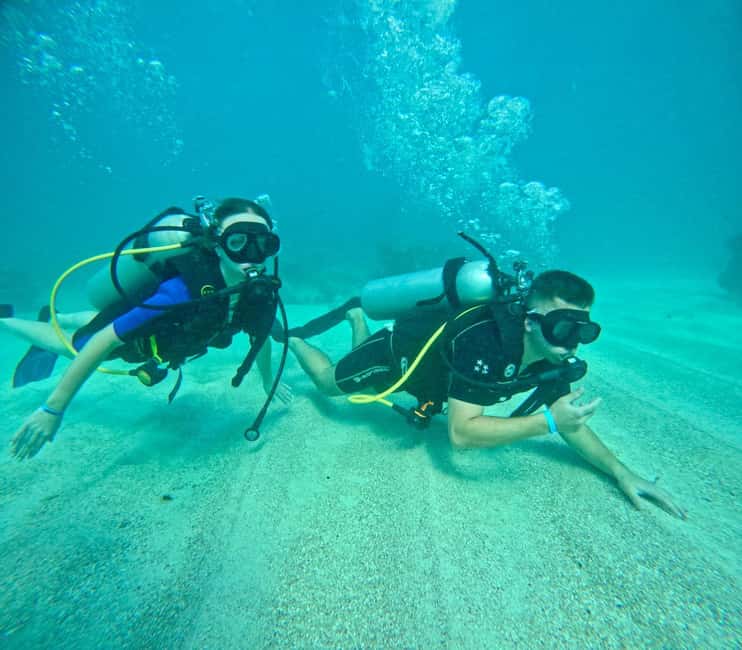
This is framed as an experience for beginners, not a check-the-box certification class. Still, you do get instruction on the fundamentals: how scuba equipment works, how you breathe with the regulator, and the safety protocols that keep the group calm and organized.
The coaching style comes through in the feedback: people talked about instructors who were very patient, explained things in a way that made sense, and stayed attentive to how each person was doing. If you’re nervous, that matters as much as the ocean itself.
A small detail that can change your comfort: how the regulator seals. One commenter mentioned that beards can affect the seal, which can make breathing feel less effective. If you have facial hair, consider trimming short and/or be ready to communicate with your instructor early so they can help you with the fit.
Going to 6–12 meters: what your first underwater session feels like
Once you’re geared up and cleared by the instructor, your underwater time is planned between 6 and a maximum of 12 meters. You’ll spend at least 30 minutes submerged, which is long enough to stop feeling like you’re only waiting for the next instruction.
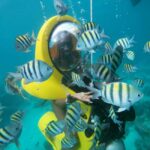
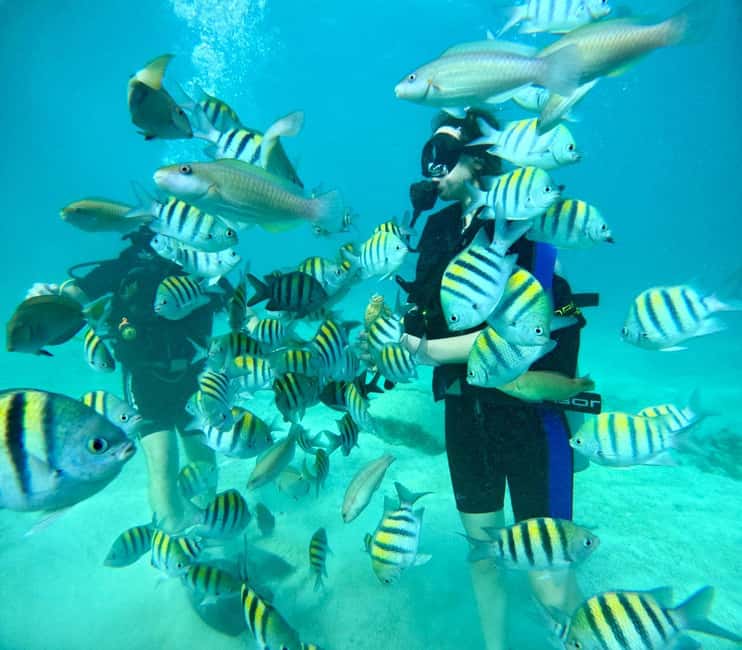
Expect the experience to be equal parts sensation and observation. On your first outing, the sensation is usually the big hurdle: the feeling of air, the rhythm of breathing, and learning to stay relaxed in a new body position. After that, the “wow” kicks in. You get to see tropical marine life at close range, and because you’re not doing this alone or rushing it, it’s easier to look around and notice details instead of focusing only on equipment.
Safety rules are part of the deal. You’re not allowed to touch marine life or plants. That’s not just for conservation—it also helps prevent accidental damage to fragile animals and prevents you from breaking the routine that keeps everyone safe underwater.
Equipment and transport: the practical side that makes or breaks day trips
This is one of those tours where the “small stuff” is handled for you. You get all necessary diving equipment, and transportation is included. That removes two stressors: carrying gear in heat, and trying to figure out whether what you brought matches what the team expects.
Also, the transport experience gets strong marks. Many notes mention that the driver was excellent and the ride felt smooth. In real life, that can matter more than you’d think. On a first scuba try, you want your energy saved for learning to breathe underwater—not for negotiating directions.
What to bring is simple:
- Swimwear
- Towel
If you forget a towel, you’ll be stuck improvising. If you arrive in full clothes, you’ll waste time changing. Basic, yes, but it shows up in comfort fast.
Photos aren’t included. If you want underwater images, you’ll need to plan for that separately. (And if you do get photos later, keep in mind they might cost extra.)





Who this is best for, and who should skip it
This experience is described as beginner-friendly, including for people who aren’t swimmers, as long as the safety protocols apply. The practical requirement you should take seriously is: participants must be comfortable in water.
If you’re a confident swimmer, you’ll likely settle in faster. If you’re not, you’ll still have a chance because the program includes safety procedures and instructor-led guidance, but you should go in with patience. Your first goal is comfort, not speed.
It’s not suitable for:
- people with heart problems
- people with respiratory issues
That list is a dealbreaker, not a “talk to me first” suggestion. Scuba equipment and changes in pressure can be a physical strain for the wrong conditions.
Price and value: does $100 make sense for a first scuba try?
The price is $100 per person for about 3.5 hours, including equipment and transportation. For a first underwater experience, that’s often fair value because you’re not paying for a full multi-session training program.
The strongest value angle here is that you get:
- real instructor-led coaching
- a planned underwater time (at least 30 minutes)
- the chance to experience scuba breathing without committing to an entire course right away
- potential credit toward open-water certification steps (it’s not a certification on its own)
The one thing that can change your cost vs. value: photos. Since they’re not included, you might spend more if you want to capture the day. Still, if you’re going mainly for the experience and learning the breathing basics, the $100 price feels aligned with what you actually receive.
Before you book, I’d also sanity-check your expectations:
- If you want a full certification, you’ll need additional training.
- If you want a first try with coaching and a taste of underwater life, this looks like a good match.
A few smart tips to make your first underwater session smoother
Based on how the day seems to work and what stood out in the feedback, here are practical things you can do to help yourself.
First: practice the regulator rhythm before you panic. One note described how breathing felt unnatural at first, then became manageable with practice. That’s normal. If you slow down and focus on steady breathing, you’ll likely feel calmer faster.
Second: give yourself grace if timing feels tight. Another feedback note said they needed a bit more time to adapt to the gear and breathing and didn’t complete the underwater time. That doesn’t mean anything is wrong with you—it’s a reminder to communicate early if you feel overwhelmed. The instructor can adjust your pace.
Third: if you have facial hair, plan for seal-fit issues. The beard comment is practical and real. Fixing the regulator seal early can be the difference between uncomfortable breathing and comfortable control.
Should you book this beginner scuba experience?
I’d book it if you want a structured first scuba session in Bávaro/Punta Cana with instructor guidance, equipment included, and a planned 6–12 meter underwater window with at least 30 minutes submerged. It’s a good try-out if you’re curious about what it feels like to breathe underwater and you want coaching rather than a random thrill moment.
Skip it if you’re looking for a full certification in one day, if you’re not comfortable in water, or if you have heart or respiratory issues. Those are safety flags, not preference details.
If you’re on the fence, think of it this way: this is built to help you answer one question—can you handle the equipment breathing and stay calm underwater? If the answer is yes, you’ll be set up to continue toward open-water training. If it’s no, you’ll at least know early, with support, rather than spending more time and money chasing the wrong plan.
FAQ
Where does the experience start?
Pickup is in Bávaro, and you return back to Bávaro after the activity.
How long is the program?
The total duration is about 210 minutes (around 3.5 hours).
What depth will I reach?
You’ll go to a depth of 6 to 12 meters.
How long will I be underwater?
You’ll have a minimum of 30 minutes under water.
Is this a scuba certification course?
No. It does not result in certification, but it can be credited as your first open-water dive toward open-water certification.
What’s included in the price?
Included are the scuba experience, instructor-led instruction, all necessary equipment, and transportation.
What language will the instructor speak?
The instructor is listed as English, French, and Spanish.
What should I bring and what can’t I do?
Bring swimwear and a towel. You’re not allowed to touch marine life or plants.