REVIEW · BAVARO
First Time Scuba Diving Experience in Punta Cana
Book on GetYourGuide →Operated by SEAPRO · Bookable on GetYourGuide
Your first underwater breath changes everything. This beginner-focused first-time scuba experience in Punta Cana (La Altagracia) is built around one goal: help you feel comfortable with the gear and the water, fast.
I especially like two parts. First, you learn the basics in about an hour, so the scary unknown turns into clear steps. Second, you get to explore coral reefs and marine life right after those basics click, in warm Caribbean water.
One thing to consider: you must be 12+ and complete a medical form before getting started, so plan ahead if health questions might slow you down.
In This Review
- Key things to know before you try it
- First-Time Scuba Confidence: How the Lesson Really Helps
- The 210-Minute Plan in Punta Cana (and Why It Matters)
- Warm Caribbean Reefs: What You’ll See After Training
- Your Instructor and Languages: Spanish, English, French
- Equipment, Comfort, and the Medical Form Reality Check
- Price and Value: Is $189 a Good Deal for a First Try?
- Who This Punta Cana First-Time Scuba Intro Is For
- The Bottom Line: Should You Book This Beginner Scuba Session?
Key things to know before you try it
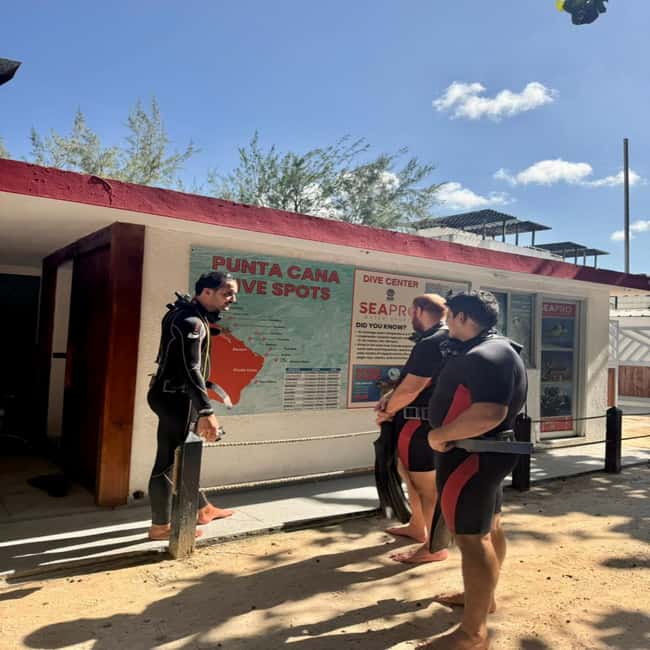
- Learn-to-scuba in about an hour with a guided approach built for beginners
- Breathing underwater is the whole point, and the lesson is designed to make that feel manageable
- Corals and marine life come right after training, so you’re not stuck in classroom mode
- You go at your own pace, which matters when you’re figuring out comfort underwater
- Instruction is available in Spanish, English, and French, with an experienced instructor on hand
- Transportation, equipment, guide, and refreshments are included in the $189 price
First-Time Scuba Confidence: How the Lesson Really Helps
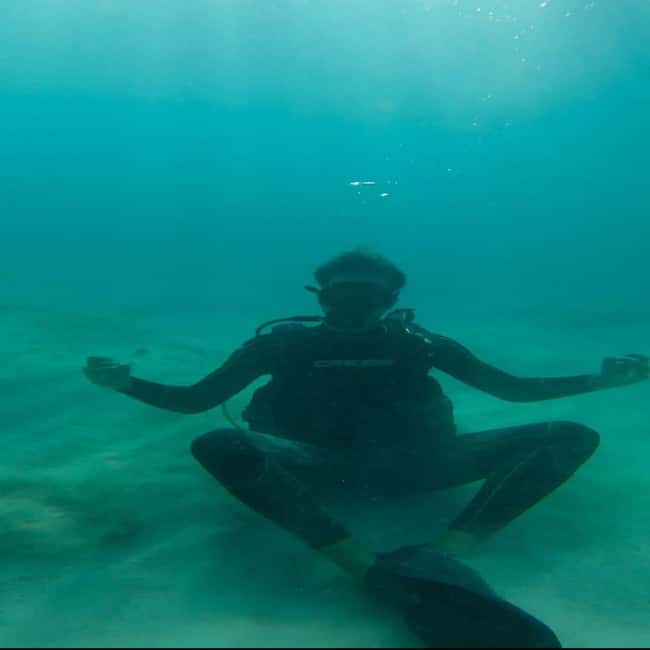
This is the kind of experience that targets the exact moment most people worry about: breathing underwater for the first time. Instead of treating you like you should already know the basics, the session starts with the essentials and builds up from there. The highlight here is simple: you learn what it feels like to breathe underwater, and you learn it in a controlled, beginner-friendly way.
I also like that the structure is made for non-certification. If you’ve been curious about scuba but you’re not ready for a full certification course, this intro gives you a taste without the long-term commitment. You get training and then immediate payoff in the water, so it feels less like a lesson and more like a real adventure.
In one booking, the instructor Jennifer is described as very helpful and experienced, which lines up with what you want for a first attempt. Another staff member named Katarina is also mentioned as being friendly and putting in real effort. Names like these are small details, but they hint at the human side of the operation: calm guidance, not just equipment handoffs.
You can also read our reviews of more scuba diving tours in Bavaro
The 210-Minute Plan in Punta Cana (and Why It Matters)
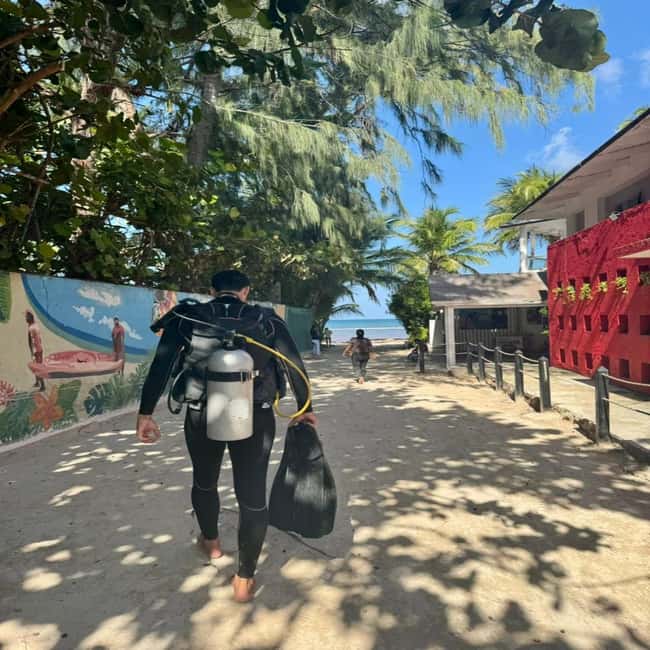
The total duration is 210 minutes, which is long enough to be more than a quick photo-op but short enough that you won’t feel like your whole day disappears. A big clue is the pacing: you learn the basics in about an hour, then spend the remaining time exploring.
Here’s the flow you can expect in practical terms. You’ll start with the scuba lesson equipment and guide support, then focus on learning how the system works and what breathing underwater actually feels like. After that, you head into the water to see corals and marine life from up close—guided, but at your own pace.
Timing matters because first-time scuba has two separate challenges: learning the gear and managing your comfort. If you’re rushing, you’ll only remember stress. With a longer block—210 minutes—you’re given enough time for understanding to catch up to the moment.
Also, the experience includes transportation and refreshments, which is a real convenience. You don’t have to worry about figuring out logistics before or after your session, and you can focus on the experience rather than the schedule.
Warm Caribbean Reefs: What You’ll See After Training
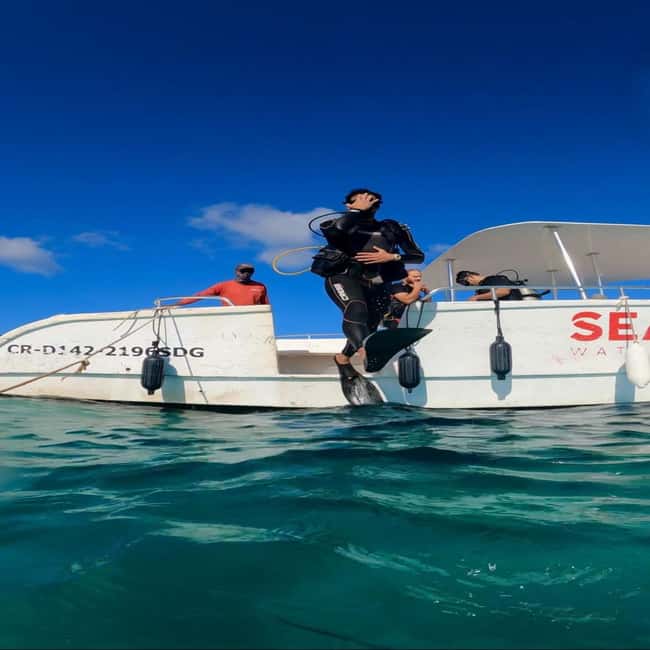
The payoff of this experience is the switch from learning to doing. After you get comfortable with breathing underwater, the tour turns into real marine sightseeing, not just practice.
You’ll explore coral areas and marine life in Punta Cana, and the lesson sets you up to notice more than you would on your first accidental encounter with the ocean. When you can regulate your breathing and follow the guide’s cues, your attention moves from panic to observation. That’s when you start appreciating details: the shapes and textures of coral, and the way sea life moves through it.
Even if you only have a short time in the water, this format is valuable. A lot of first-time snorkeling is surface-only, and it can feel like you’re watching the ocean through a window. Here, you’re part of the environment. You’ll also likely feel a new respect for how gear and buoyancy work together—because once you’re breathing underwater, it’s suddenly all real.
Your Instructor and Languages: Spanish, English, French
Good instruction is the difference between a fun first experience and an exhausting one. This activity is offered with instructors speaking Spanish, English, and French, so you should be able to understand what’s expected.
One reason I like this setup is that first-time scuba doesn’t leave much room for language misunderstandings. When you’re learning the basics, you want clear instructions you can follow without translating in your head. That’s especially true when you’re trying to understand how breathing works, and how to respond calmly in the water.
If you’re lucky enough to get an instructor like Jennifer, the experience becomes easier to trust. The fact that both an instructor and staff member are mentioned as supportive is a strong sign that the team aims to keep things smooth for beginners.
Equipment, Comfort, and the Medical Form Reality Check
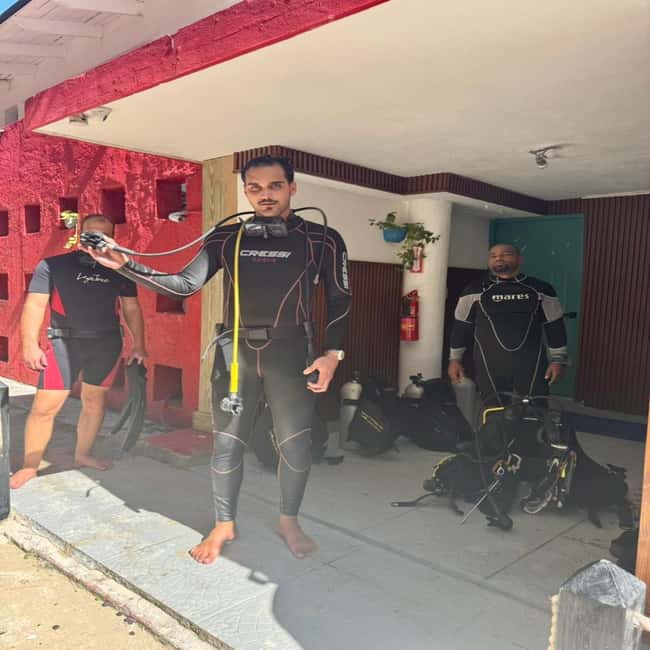
Scuba is usually easy to describe and harder to start. You need the right gear, good guidance, and—most importantly—permission from your health situation.
Before you participate, you must complete a medical form to identify any pre-existing conditions. That’s not a paperwork speed bump; it’s a safety step. If you have any medical history you’re unsure about, it’s smart to take care of the medical form early and honestly. Don’t wait until the day of, because the form is required before scuba activities.
You also need to be 12 years or older. If you’re traveling with teens, this is one of those rare experiences where age matters but it’s not limited to adults only.
In terms of comfort, remember that the goal is learning and exploration at a beginner pace. You’re not expected to perform like a confident underwater athlete on day one. If anything feels unfamiliar, the best approach is to communicate and follow your guide’s instructions so you can settle in.


Price and Value: Is $189 a Good Deal for a First Try?
At $189 per person, you’re paying for much more than just a short swim. The price includes transportation, scuba lesson equipment, a guide, and refreshments. For a beginner experience, that bundled structure is where the value shows up.
Think about what you would otherwise pay for separately: transport to the water, a trained guide, gear rental, and the lesson itself. When all of that is included, the cost feels more reasonable because you’re not piecing together multiple services.
The other value point is what this isn’t. It’s not a certification course. You’re getting an introductory experience designed for people who want to understand scuba without jumping into long training right away. That matters if you’re still deciding whether scuba fits your style of travel.
One more practical value: the experience time is long enough to be meaningful (210 minutes). A lot of “intro” activities feel too brief to actually teach you what you need. Here, the lesson is about an hour, and the rest is for the real underwater experience.
If you want flexibility, the setup includes free cancellation up to 24 hours in advance for a full refund, and there’s also a reserve now & pay later option. Those policies don’t change the quality of the water time, but they do reduce stress while you’re planning a Punta Cana schedule.
Who This Punta Cana First-Time Scuba Intro Is For
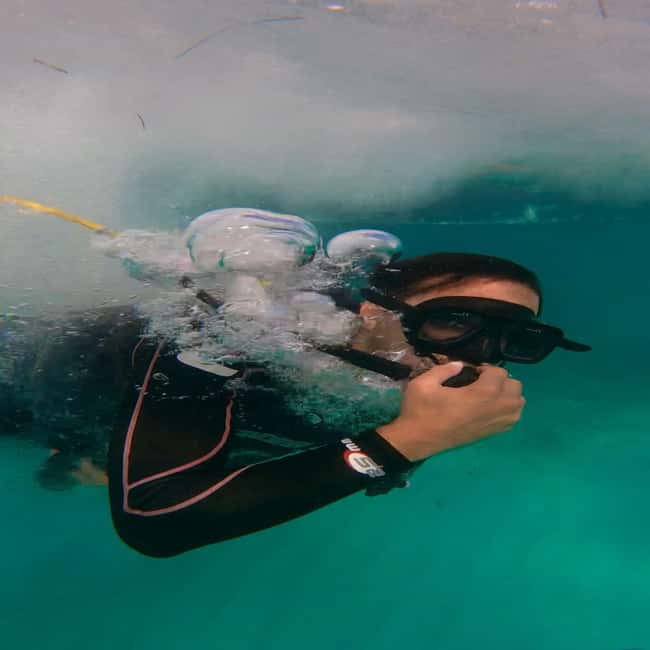
This is a strong fit if you’re curious about scuba and want the basics in a fun, guided way. If you’ve wondered what it’s like to breathe underwater, this experience is designed around that exact question. The lesson and the water time are tied together, so you don’t just learn theory—you use it quickly.
It’s also a good fit if you want to explore coral reefs and marine life while staying beginner-friendly. The experience is described as having no prior experience required, and that matches the “learn in about an hour” promise.
You might want to think twice if you’re worried about the medical form process. Since you’re required to complete one before participation, it’s smart to review your situation ahead of time. If you’re anxious about paperwork or you’re unsure whether you should proceed, treat that as part of your trip planning.
The Bottom Line: Should You Book This Beginner Scuba Session?
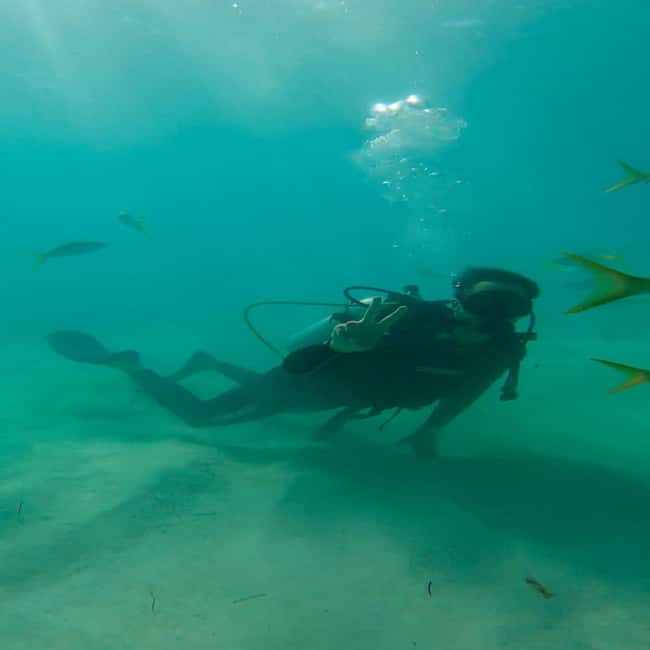
Book it if your main goal is a real first experience with scuba basics—especially the moment you breathe underwater—and you want that followed by coral reef and marine life time. At $189, the included transportation, equipment, guide, and refreshments make it a cost-effective introduction, particularly since it’s not forcing you into a certification path.
Skip or pause if you’re not comfortable completing the required medical form, or if you need more certainty on your ability to participate safely. If you clear that step, you’re set up for a beginner session that focuses on understanding and enjoyment, not pressure.