REVIEW · PUNTA CANA
From Bavaro: Santo Domingo Colonial City Tour
Book on GetYourGuide →Operated by Tours Republica · Bookable on GetYourGuide
History walks with you here. Santo Domingo’s Colonial Zone packs centuries into one day, and you see why the Spanish chose this spot to rule the New World. I love the way the stops connect like a story, with UNESCO-listed streets as the anchor.
I also like 3 Eyes National Park, because the underground caves and lagoons show another layer of the island’s past. The whole day feels like more than sightseeing, especially when your guide keeps the timeline clear. The only catch is pacing: it’s a long 10-hour loop with a moderate walk, so you’ll want to manage expectations at photo stops and breaks.
In This Review
- Key highlights you’ll care about
- From Bavaro To Santo Domingo: A Long Day With a Clear Plan
- 3 Eyes National Park: Caves, Lagoons, and the Taino Story
- Walking the UNESCO Colonial Zone: Why Santo Domingo’s Streets Still Matter
- The First Cathedral, Hospital, and Spanish Government Headquarters
- Museums With 16th-Century Art: What to Look For
- Alcázar de Colón and Don Diego’s Palace: Residences That Tell Power Stories
- Columbus Lighthouse and National Palace Panoramas: A Monument and a View
- Guide Quality and Language: What You Can Reasonably Expect
- Price and Value for $85: What You’re Really Paying For
- What to Bring: Small Stuff That Saves Your Day
- Potential Pitfalls: Souvenir Stops and Getting Rushed
- Should You Book This Santo Domingo Tour?
- FAQ
- Is this tour from Bavaro?
- How long is the tour?
- What’s included in the price?
- Are meals included?
- Is there any walking?
- What languages are available for the guide?
Key highlights you’ll care about
- 3 Eyes National Park: underground caves and lagoons tied to Taino life
- First Spanish institutions in America: the earliest colonial government headquarters, hospital, and cathedral
- Colonial Zone UNESCO site: the first permanent European settlement founded in 1502
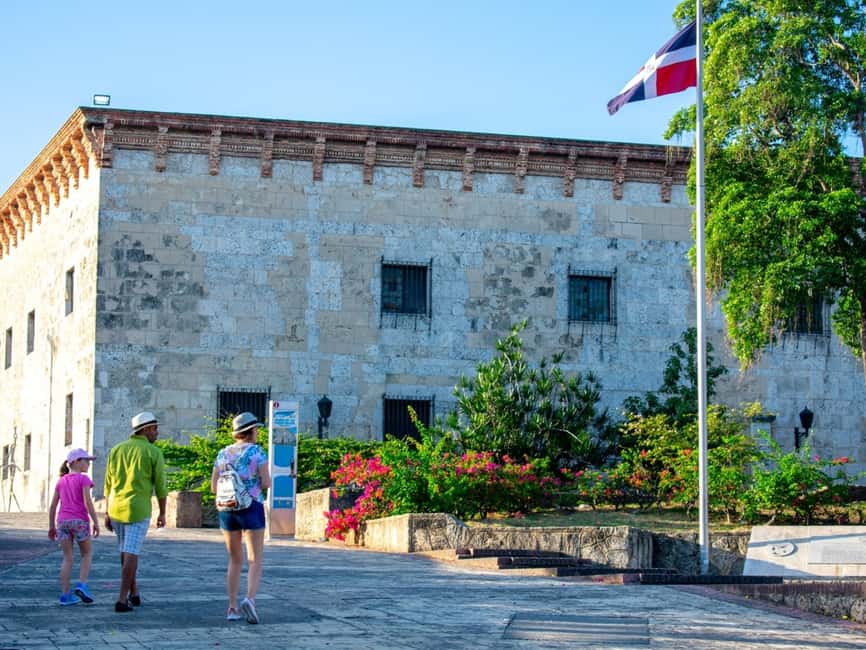
- Alcázar de Colón & Palacio Virreinal de Don Diego: standout historic residences and political power
- Columbus Lighthouse: the monument connected to Columbus’ remains
- Museums + entrance fees included: medieval and Renaissance art from the 1500s and beyond
From Bavaro To Santo Domingo: A Long Day With a Clear Plan
This tour starts with hotel pickup in Bavaro, then you ride an air-conditioned bus toward Santo Domingo’s historic core. It’s scheduled for 10 hours, so think of it as a full-day history outing, not a quick taste.
You’ll also do some walking. The good news: the walk is labeled “moderate,” so you don’t need hiking boots or hero stamina—just comfortable shoes and a willingness to move at a steady pace.
The main value of the bus format is simple: you’re not coordinating multiple taxis or chasing ticket lines. Your guide’s job is to make the sites connect, and that’s exactly what helps in a city like Santo Domingo, where centuries overlap in the same streets.
You can also read our reviews of more city tours in Punta Cana

3 Eyes National Park: Caves, Lagoons, and the Taino Story
After pickup, your day heads to 3 Eyes National Park. This is the part that often feels like a break from the urban museum circuit, even though it’s still deeply historical.
What makes it special is the setting: you’re visiting underground caves and lagoons. The park is also described as originally inhabited by the Taino Indians, which helps you frame the natural space as more than scenery. You’re not just looking at rock and water—you’re seeing a landscape tied to the island’s earliest known residents.
Practical advice: wear sunglasses and sunscreen. Even underground, you’ll likely be outside at parts of the route. Bring a hat too—depending on the time of day, the light can be intense.
Walking the UNESCO Colonial Zone: Why Santo Domingo’s Streets Still Matter
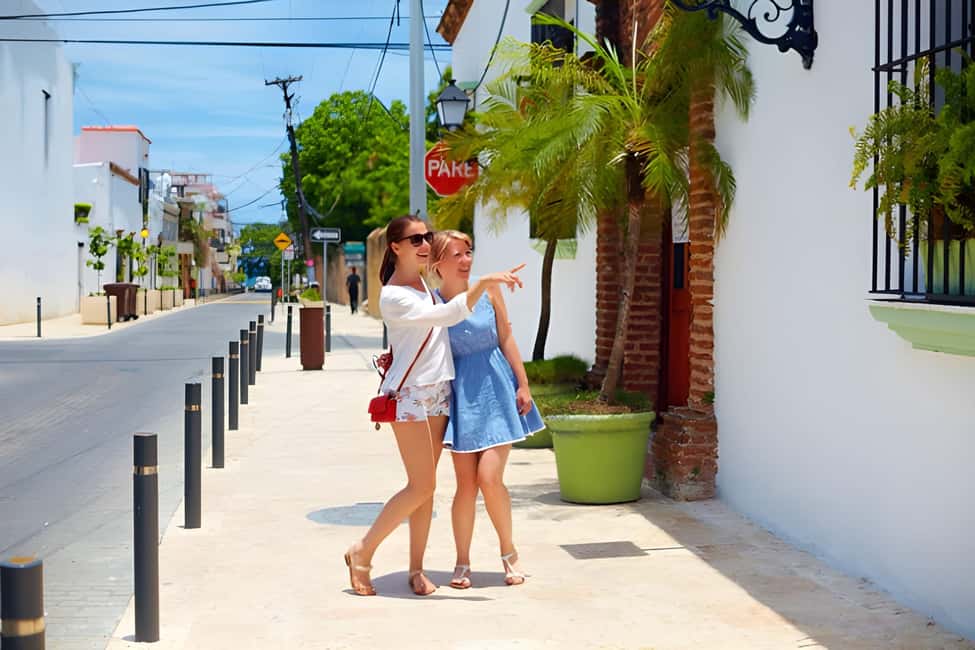
Then it’s time for the Colonial Zone, recognized as a UNESCO World Heritage Site. This is the heart of why the tour exists: Santo Domingo is often described as the first city of America, founded in the late 1400s, and it became the capital of the Dominican Republic.
The big idea you should keep in your head is this: you’re walking a built environment that reflects early European settlement patterns. The Colonial Zone is noted as the first permanent European settlement, founded in 1502 by Spanish colonizers.
One of the most emblematic stops is La Calle Las Damas, described as the first street on the island. Even if you’ve seen historic streets in Europe, this feels different because it connects directly to the founding era—rather than later medieval growth. It’s history you can measure with your own steps.
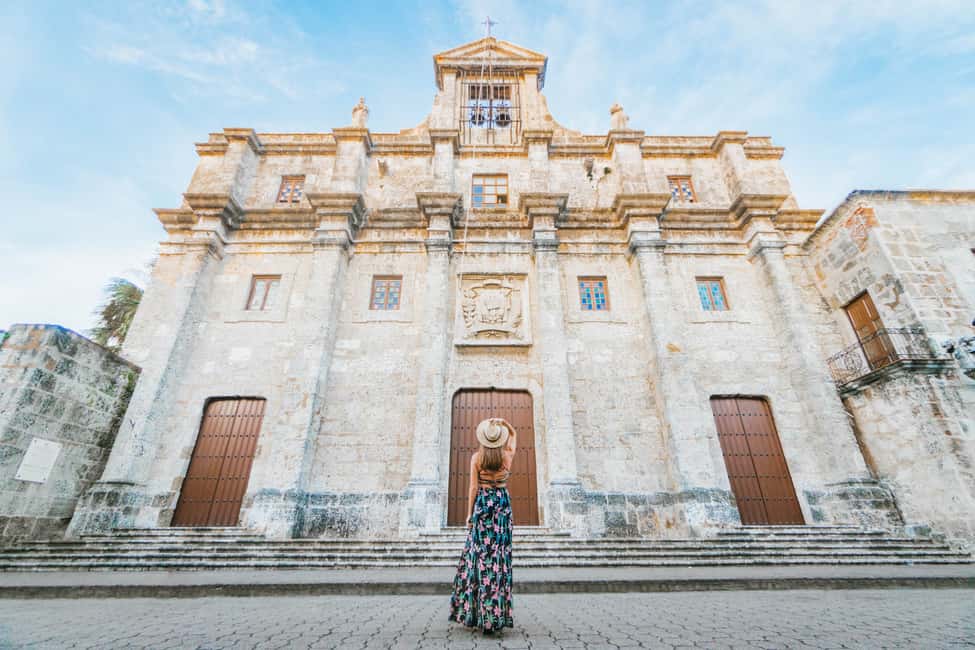
The First Cathedral, Hospital, and Spanish Government Headquarters
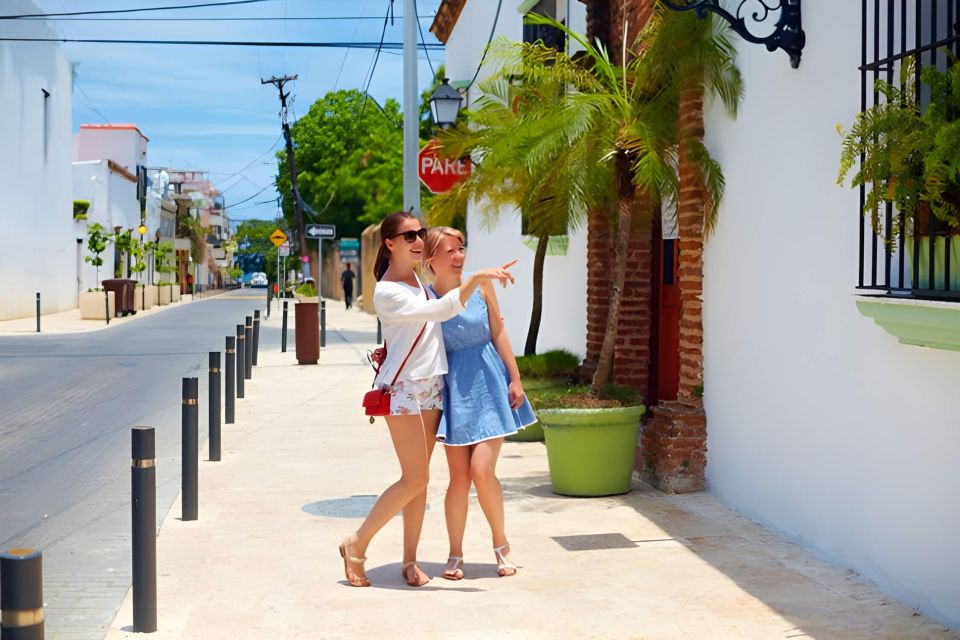
Santo Domingo’s early colonial era shows up in the institutions you visit. Your guide points you toward major “firsts,” including:
- the first headquarters of the Spanish colonial government in America
- the first hospital
- the first cathedral
That set of stops matters because it changes how you read the city. Instead of treating the Colonial Zone as decoration, you’re seeing the original machinery of colonization: governance, health, religion, all operating as tools of power.
This is also where good guiding makes the difference. A strong guide doesn’t just recite dates. They explain why a hospital and cathedral arriving early tells you how the Spanish planned long-term control.
If you’re someone who likes architecture as evidence, you’ll appreciate this phase. Even when you’re standing in a small space, the stories behind these institutions help you understand the city’s logic.
Museums With 16th-Century Art: What to Look For
The tour includes time for museums, with a focus on outstanding medieval and Renaissance art from the 16th century and beyond. The practical win here is that museum entrance fees are included, so you’re not trying to budget last-minute ticket costs while you’re on the move.
For your museum time, I’d suggest a simple strategy:
- Pick one or two themes your guide mentions (religious art, royal patronage, colonial-era perspective).
- Look for details that show the shift between medieval styles and Renaissance thinking—composition, realism, and symbolism.
You don’t need to be an art expert. The point is to see that the Spanish colonial world imported European aesthetics, then adapted them in a new setting. Museums help you confirm that visually.




Alcázar de Colón and Don Diego’s Palace: Residences That Tell Power Stories
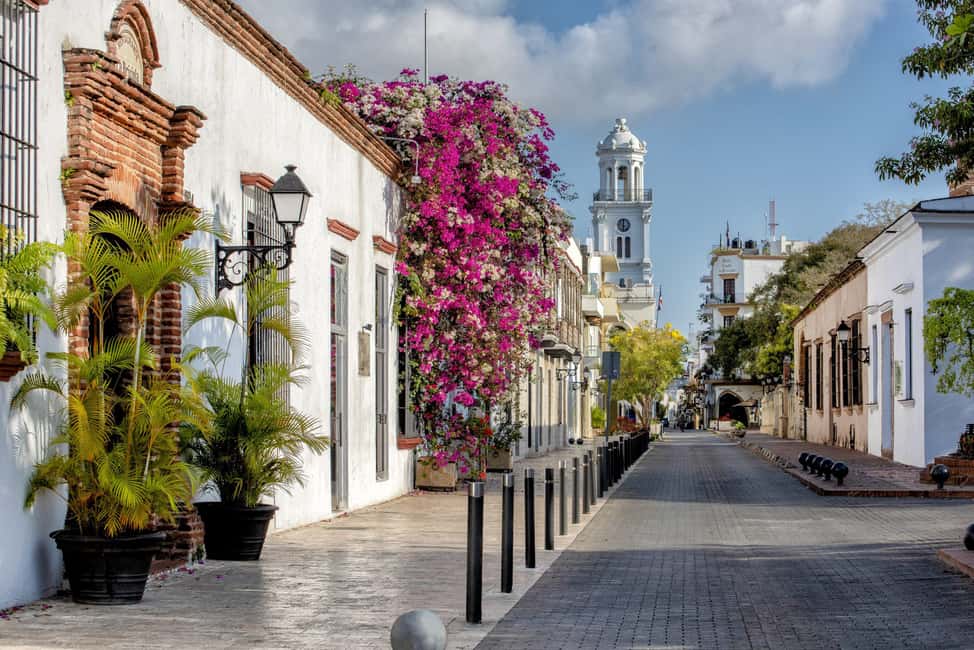
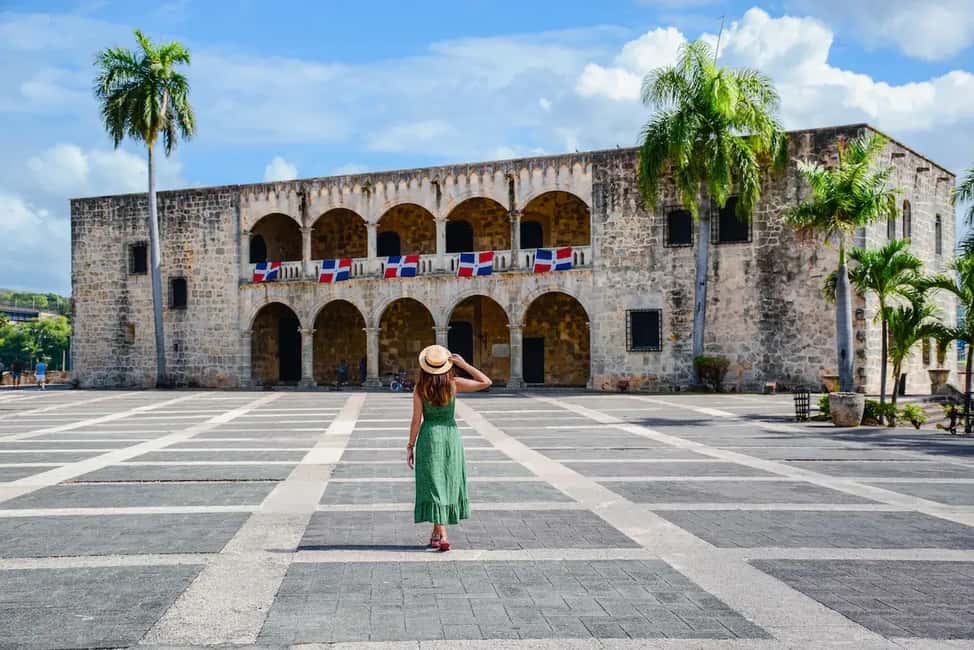
Two major historic residences show up in the Colonial Zone experience: Alcázar de Colón and the Palacio Virreinal de Don Diego (also referred to as the Palacio Virreinal).
These aren’t just pretty buildings for photos. They represent how elite life and authority operated in the early colony. When a palace or high-status residence survives—or is preserved—you can often read social structure in layout, scale, and design intent.
If you like the human side of history, this is where you can imagine daily life: who lived there, who visited, and how power was displayed. Your guide’s recounting of European colonization in America should make these buildings feel less abstract.
Columbus Lighthouse and National Palace Panoramas: A Monument and a View
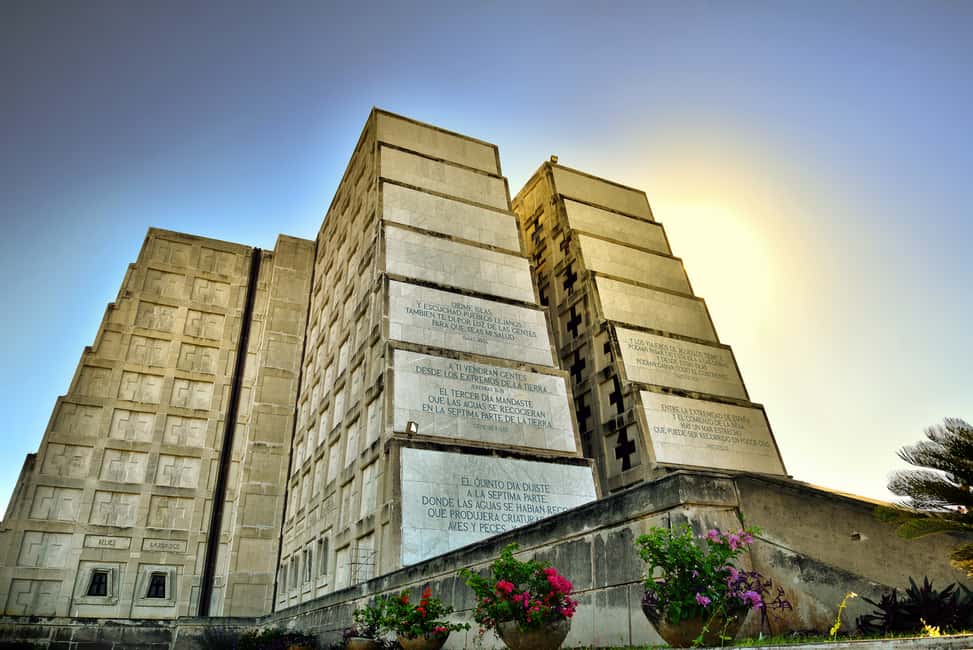
Next comes the Columbus Lighthouse, a landmark built in memory of Christopher Columbus where his remains rest. This is the kind of site that carries heavy symbolism. Whether you’re excited or cautious about the topic, it’s still a major anchor for understanding why the history is remembered the way it is.
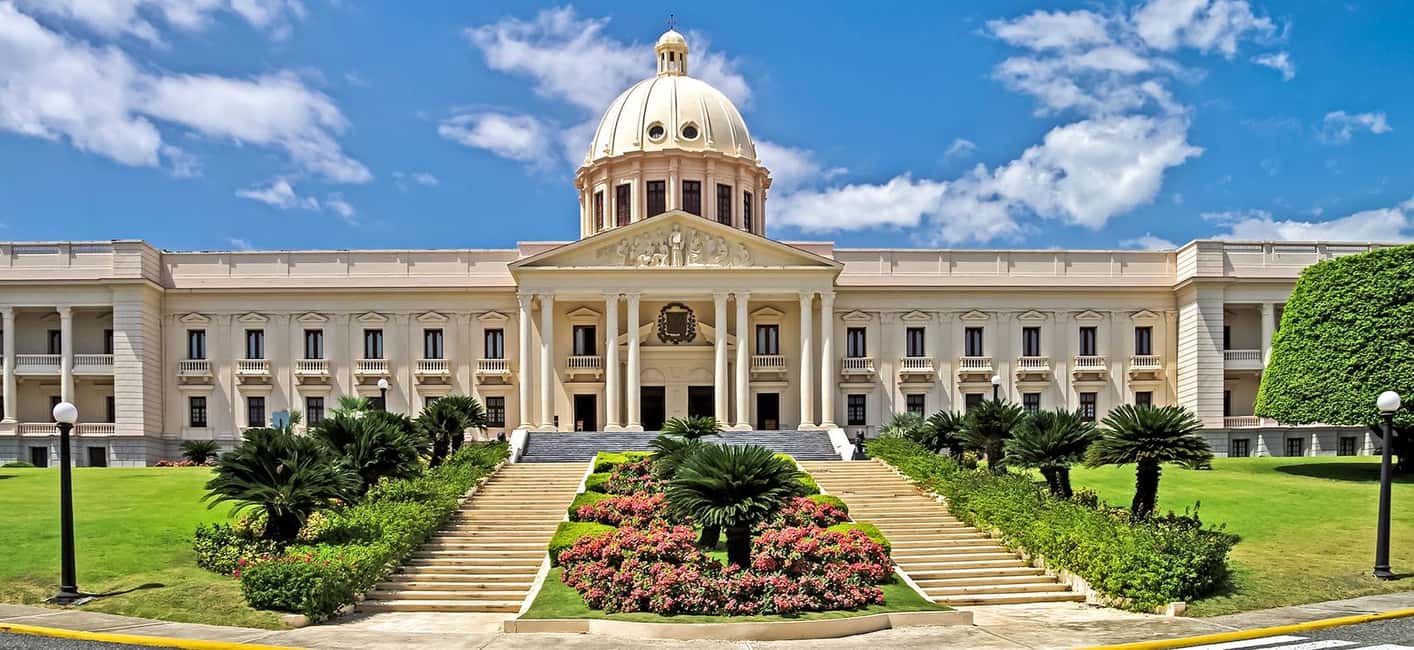
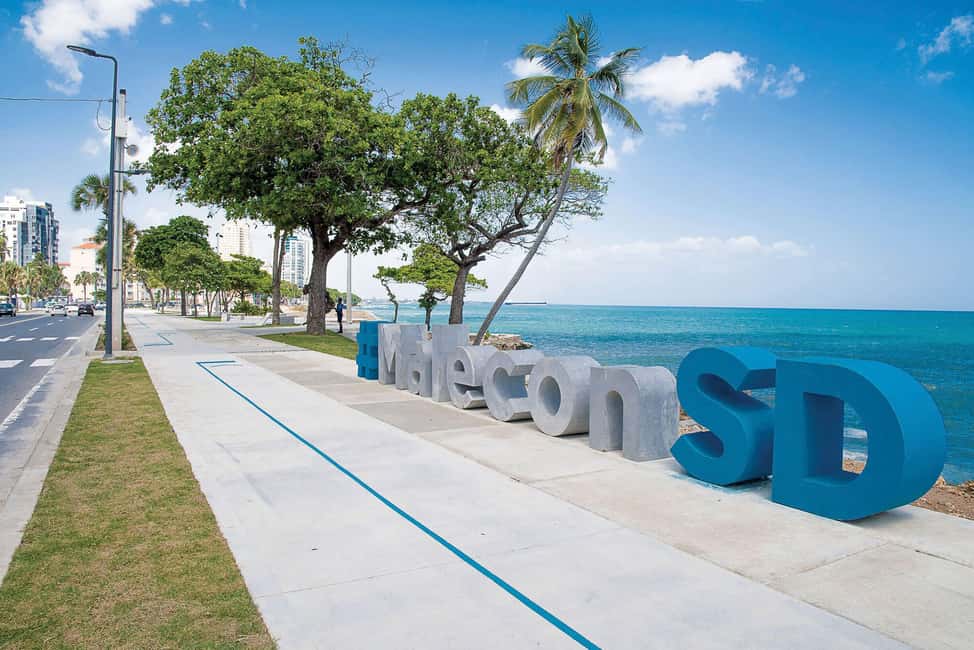
You’ll also get panoramic visits to the National Palace. Panoramas can feel a bit passive on tours, but in Santo Domingo, a viewpoint helps you connect the Colonial Zone story to the modern capital city around it. It’s a quick mental reset: past to present, all in one glance.
Tip: if you’re serious about photos, watch for the timing. The day is long, and photo windows tend to be limited. Be ready to move when the group does.
Guide Quality and Language: What You Can Reasonably Expect
This tour is run with a professional guide, available in multiple languages: Spanish, English, French, German, Italian, Portuguese, and Russian.
One thing I really like about well-run guided history tours is how they keep the timeline understandable. If you’re lucky enough to get a guide like Alberto—praised for being prepared, engaging the group across nationalities, and speaking clearly—you’ll feel like the city makes sense, not just that you watched it.
Still, keep expectations grounded. A full day with many stops can strain any guide’s pacing, especially if the group’s language mix is unusual. If you want the best experience, choose your language carefully and ask yourself whether you’re okay with “group pace” over “perfect pace.”
Price and Value for $85: What You’re Really Paying For
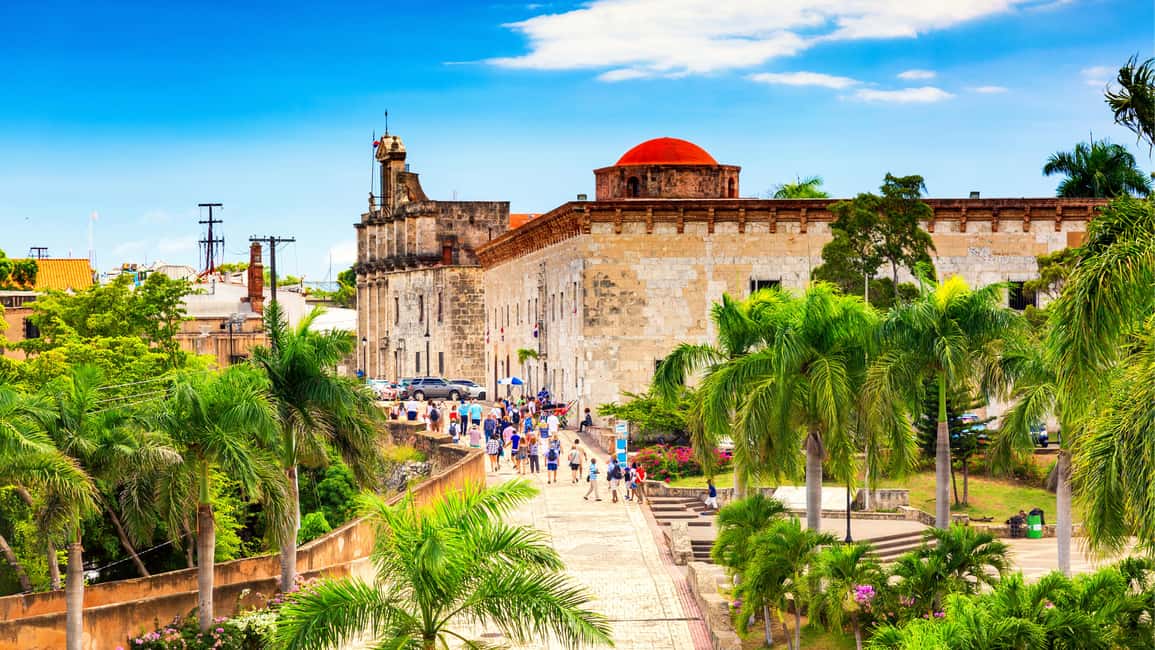
At $85 per person for a 10-hour day, the value comes from what’s included rather than what’s missing.
Included items that matter:
- Hotel pickup and drop-off from Bavaro
- Museum entrance fees
- A professional guide in your language
If you tried to do this day on your own, you’d be paying for transportation, separate ticket purchases, and the real cost: time spent figuring out the order of sites and where to stand for good views. This tour buys back your mental energy.
What’s not included:
- Lunch
- Souvenirs
- Photos
So your best move is planning your food budget. Bring a water bottle if you’re allowed where you’re stopping, and plan for a meal either outside the package or with flexibility if your schedule runs a bit tight.
What to Bring: Small Stuff That Saves Your Day
The tour is straightforward, but the sun can be intense and the walking adds up. Bring:
- comfortable shoes
- sunglasses
- sun hat
- sunscreen
Dress in comfortable clothes you don’t mind getting warm. You’ll be outside and inside, with sun exposure likely during outdoor transitions.
Also, follow the rule set: oversize luggage isn’t allowed and pets aren’t allowed. This matters more than it sounds, because a bulky bag slows down boarding and movement.
Potential Pitfalls: Souvenir Stops and Getting Rushed
One thing to watch for on any big historic day: time gets spent. A negative experience can happen when the day feels tilted toward shops or when free time becomes shorter than you expect.
To protect yourself:
- Expect that the schedule is fixed and you’ll have limited flexibility.
- If you want more time at a monument, be ready to ask early, not at the last minute.
- If you’re not into shopping, mentally treat those stops as optional breathing points, not part of your must-do list.
The tour’s real “core” is history sites, museums, and 3 Eyes National Park. Keep your eyes on those, and you’ll judge the day fairly—even if you feel there are extra pauses.
Should You Book This Santo Domingo Tour?
Book it if you want a guided, structured way to see Santo Domingo’s early European story—from the Spanish colonial power centers to the UNESCO Colonial Zone and the Columbus Lighthouse. It’s also a good choice if you don’t want to manage tickets and transport on your own.
Skip it or consider a different format if you hate long days, struggle with walking, or want lots of unscheduled free time. This is a tour that moves as a unit, and you’ll feel it.
FAQ
Is this tour from Bavaro?
Yes. Hotel pickup and drop-off are included, with pickup at your hotel lobby in Bavaro.
How long is the tour?
The duration is 10 hours.
What’s included in the price?
The price includes hotel pickup and drop-off, museum entrance fees, and a professional guide in your chosen language.
Are meals included?
No. Lunch is not included.
Is there any walking?
Yes. There is a moderate walk, so wear comfortable shoes.
What languages are available for the guide?
The guide is available in Spanish, English, French, German, Italian, Portuguese, and Russian.