REVIEW · PUNTA CANA
Punta Cana: All Inclusive Santo Domingo Full-Day City Tour
Book on GetYourGuide →Operated by One Click Shuttles and Travel · Bookable on GetYourGuide
A cave of crystal lakes and UNESCO streets. That’s the hook of this full-day Punta Cana to Santo Domingo excursion, pairing Los Tres Ojos with the Dominican capital’s biggest colonial landmarks, plus transfers and guided time in English and Spanish.
I especially like two things: the Three Eyes National Park stop, because you’ll see limestone lakes and go down into a cave system used by Taino people for rituals. And I like the walking time in the Colonial Zone, where Santo Domingo’s Spanish-era core still feels like the center of the city.
One consideration: this is a long day with multiple bus transfers, and Los Tres Ojos includes stairs and a cave descent. If you’re dealing with vertigo, mobility limits, or you simply don’t do well with tight timing, you’ll want to think twice.
In This Review
- Key highlights worth penciling in
- Getting to Santo Domingo from Punta Cana: plan for the ride
- Los Tres Ojos National Park: limestone lakes and a Taino cave descent
- Columbus Lighthouse, Malecón breaks, and the National Palace photo circuit
- Colonial Zone walking: the Catedral Primada and Calle Las Damas area
- Alcázar de Colón to Hospital San Nicolás de Bari: history with street-level context
- National Pantheon: place the modern story inside the old city
- Lunch in Santo Domingo: your energy reset for a long day
- What the guides do (and why it matters): names like Willy show up for a reason
- Price and value: is $70 a fair deal for a Punta Cana-to-Santo-Domingo day?
- Who should book, and who should skip this Santo Domingo plan
- Should you book this Punta Cana to Santo Domingo tour?
- FAQ
- Where are the pickup locations?
- How long is the tour?
- What’s included in the price?
- Do I get audio or language support?
- Is the Primate Cathedral of America open on Sundays?
- Do I need to descend into a cave?
- Does the tour run in rain?
- What should I bring?
- Are alcoholic drinks included with lunch?
- What is the cancellation policy?
Key highlights worth penciling in
- Los Tres Ojos caves and “eyes” lakes: crystal-clear limestone lakes plus a guided cave visit with stairs
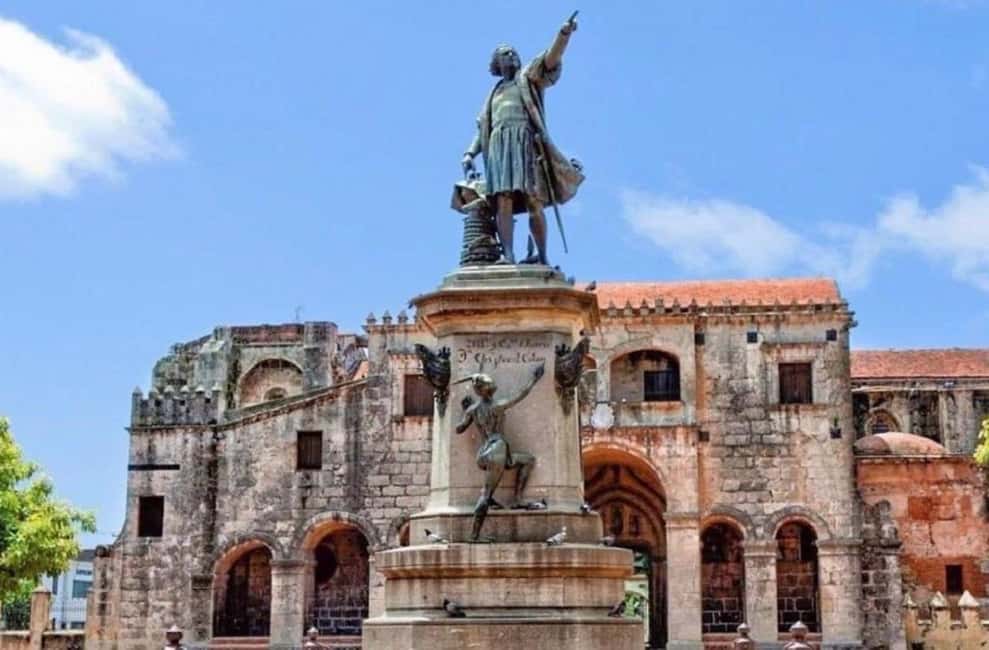
- First Cathedral of America: the Primate Cathedral visit is a major anchor stop
- Colonial Zone walking time: enough room to shop, wander, and actually look at the architecture
- Pantheon and major monuments: National Pantheon and other landmark photo stops help you place the city
- Lunch included: a traditional Dominican meal break, so you’re not surviving on snacks
Getting to Santo Domingo from Punta Cana: plan for the ride
Santo Domingo is a long way from Punta Cana resorts, so the day starts with a pickup and a big-vehicle transfer that eats a chunk of your time. Depending on your pickup area, you can be picked up from Bávaro, Uvero Alto, or Macao. If you’re staying in an Airbnb, you won’t be picked up directly; you’ll be assigned a nearby pickup point later.
Here’s how the transportation usually works: you’ll ride by coach for long stretches, then you may switch buses at a stop outside the city (a gas station handoff is part of the plan). After Santo Domingo, there are drop-offs back at the same three areas.
That bus-and-transfer rhythm is exactly why this tour often feels “a lot, but doable.” You’re not stuck figuring out buses and entry tickets on your own. Still, I recommend you manage your expectations: you’re buying a full-day history sampler, not a slow, lingering “every street, every photo” day.
You can also read our reviews of more city tours in Punta Cana
Los Tres Ojos National Park: limestone lakes and a Taino cave descent
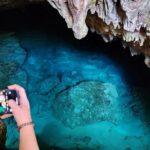
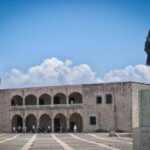
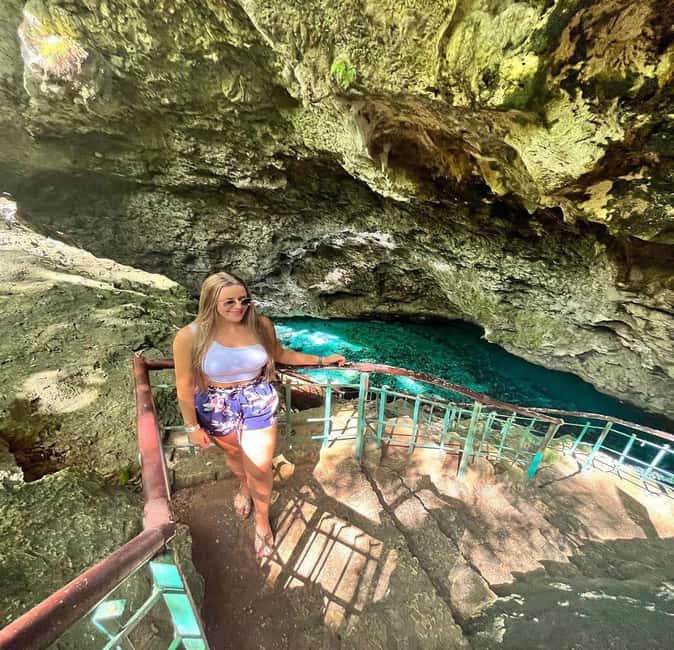
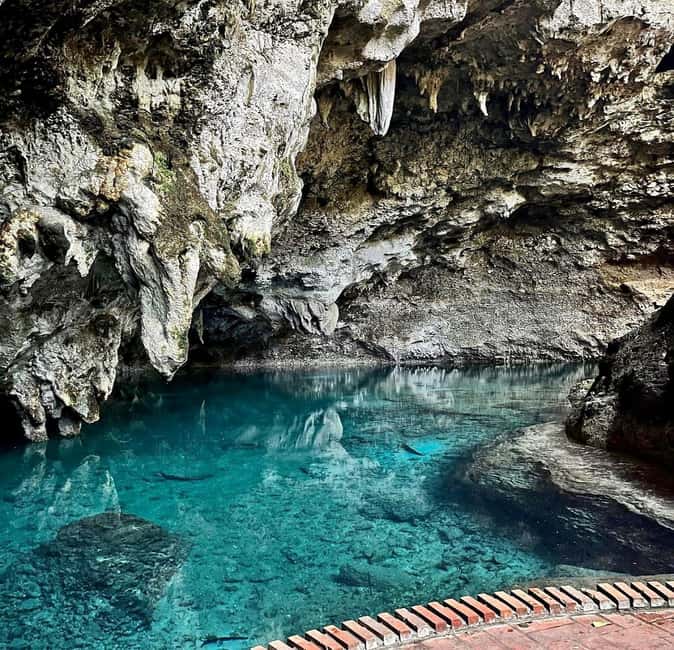
If you only care about one stop, make it Los Tres Ojos National Park. It’s a nature reserve and open-air cave system with a series of crystal-clear lakes people call the eyes. The park gives you a side of Santo Domingo that isn’t all stone churches and old plazas—cool water, limestone geology, and that eerie feeling of stepping into a natural system older than the colonial buildings.
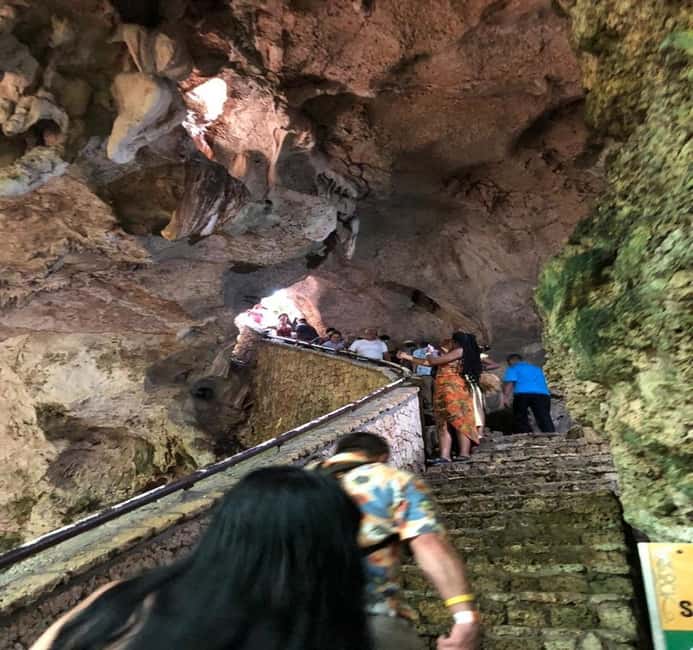
You’ll also take a guided visit that includes descending into a subway cave once used by the Taino for rituals. The cave isn’t just a quick look—there are stairs, and you should take that seriously. If you have vertigo or difficulty with stairs, this is one of those “skip it for safety” moments.
Practical tip: bring comfortable shoes you can trust on uneven cave steps and wet stone. Also, carry water if you run hot easily. The park time is structured (guided tour plus photo moments), so don’t expect unlimited wandering.
Columbus Lighthouse, Malecón breaks, and the National Palace photo circuit
After the caves, the tour shifts from nature to city icons. You’ll stop for photos at the Columbus Lighthouse, a quick but memorable checkpoint that helps anchor the story of how Columbus-era events shaped the region.
Then comes the modern-city view. You’ll pass by government landmarks like the National Palace (photo stop), and you’ll get a break around the Malecón Santo Domingo area. This matters because it gives you contrast: the Colonial Zone shows the old story, and the waterfront/central government district shows how the capital grew up around it.
Don’t over-plan this part of your day. The stops are mostly photo windows and short pacing breaks, designed to keep the schedule moving from site to site. If you want long photos or extra walking here, you’d need a separate self-guided plan.
Colonial Zone walking: the Catedral Primada and Calle Las Damas area
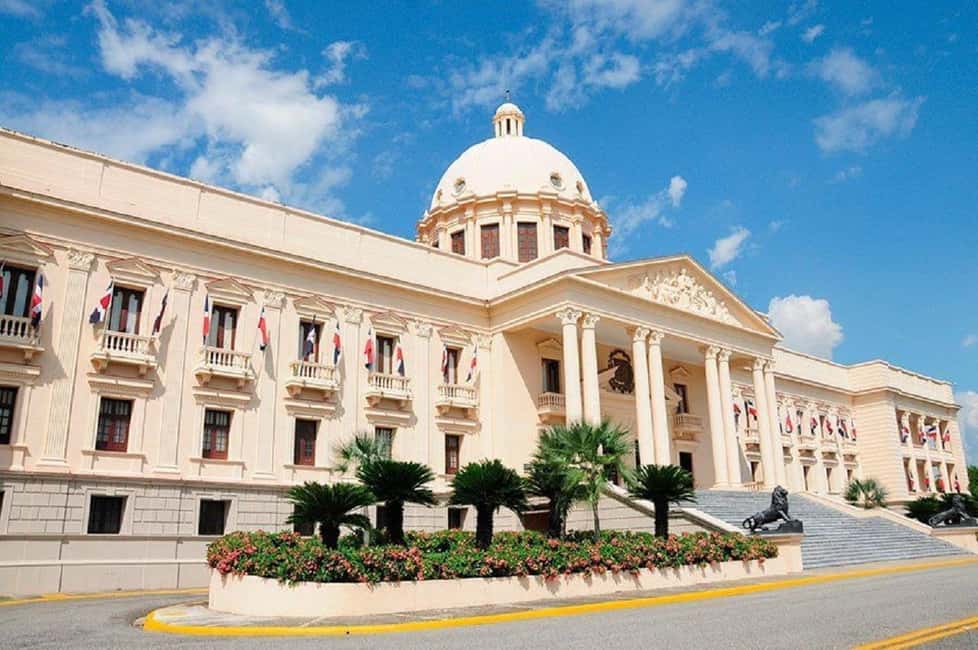
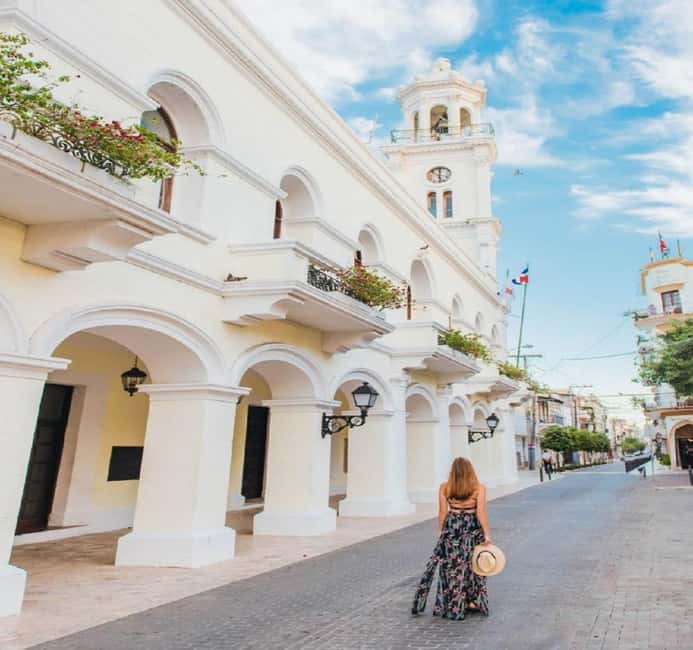
This is the core payoff of the day: time in Santo Domingo’s Colonial Zone, the historic central neighborhood recognized as a UNESCO World Heritage Site. Walking here is the difference between reading about the past and actually seeing it.
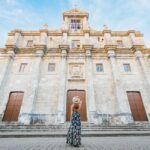
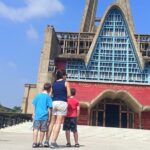
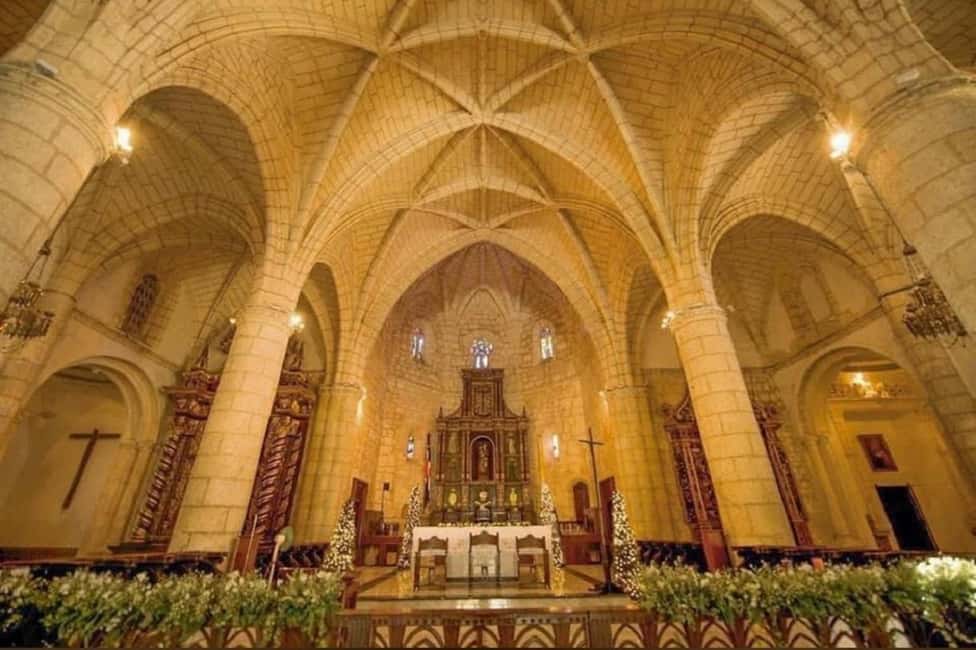
You’ll have a guided visit at the Catedral Primada de América, often called the first cathedral built in the Americas by Spanish conquistadors. It’s an intense stop. Even if you’re not a church-history fanatic, the scale and the survival of the building style make it feel real—not like a movie set.
You’ll also get:
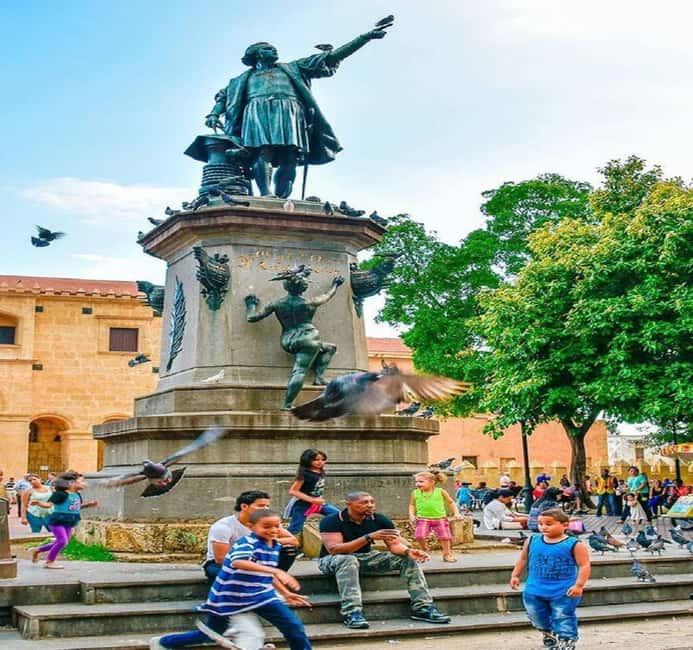
- Colón Park photo and guided time
- Calle Las Damas photo and free time
Calle Las Damas is especially good for wandering if you like small-scale street texture and old-city views. You’re not locked into a museum pace; you have some breathing room for quick shopping and strolling.
One Sunday note: the Primate Cathedral is closed on Sundays, so access won’t be included that day. If a cathedral visit is your top priority, plan your calendar accordingly.
Alcázar de Colón to Hospital San Nicolás de Bari: history with street-level context
Santo Domingo isn’t just one pretty district—it’s a chain of sites that connect people, power, and religion across centuries. The tour includes multiple landmarks that help you piece that together.
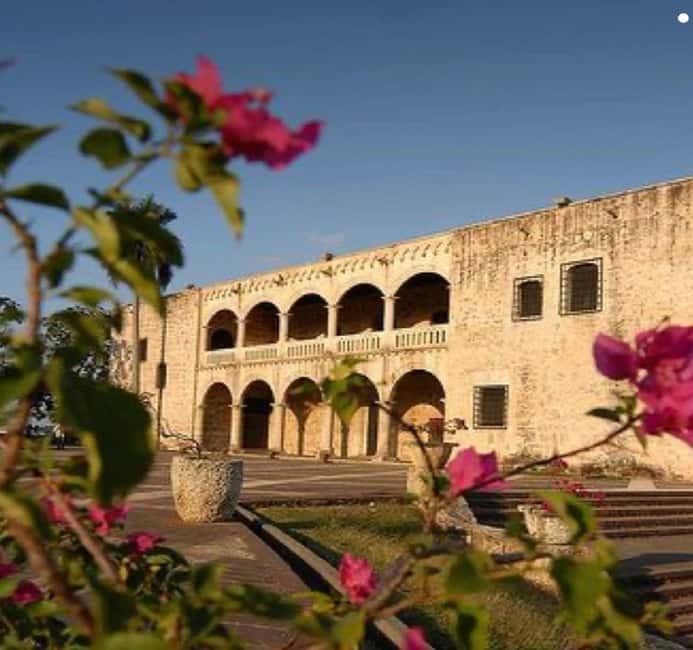
You’ll hear about and see key names like Alcázar de Colón and the broader Colonial Zone layout. Later, you’ll also stop at Hospital San Nicolás de Bari, where you get a photo stop plus guided time.
This is one of the tour’s underrated strengths: it’s not only famous churches. You’re also seeing institutions that explain how the colonial-era city functioned day to day—health care, governance, and public life—wrapped into the same walkable urban fabric.
Timing reality check: the day is structured, and each stop has a window. You’ll see a lot, but you won’t have unlimited time at every doorway. If you’re the type who wants to spend 45 minutes staring at one corner, prioritize the stops that match your interests.
You can also read our reviews of more tours and experiences in Punta Cana



National Pantheon: place the modern story inside the old city
Next comes the National Pantheon of the Dominican Republic, with photo time and a visit. This stop gives you a different lens: it helps you shift from “colonial settlement” into the Dominican Republic’s later national identity.
You’ll also spend time in the area around other monumental buildings. Think of it like a bridge stop. The morning focuses on caves and foundational colonial sites; the Pantheon helps you understand the city as a place where newer chapters of Dominican history sit alongside older walls.
A useful way to handle this: don’t treat each monument like a standalone postcard. Try to connect what you see to what you’ve already learned earlier in the day—especially the way Santo Domingo evolved from early European settlement into a capital city with its own national story.
Lunch in Santo Domingo: your energy reset for a long day
Lunch is built into the schedule so you’re not running on fumes after hours of travel and walking. You’ll stop at a local restaurant for a typical Dominican lunch with drinks, and it’s usually a buffet style.
From what I’ve heard from people who’ve done this day trip, the meal includes staples like rice and beans (often described as rice and peas). The value here is simple: you’re paying for a day that otherwise could cost more if you’re trying to arrange your own entry tickets and a reliable meal on short notice.
Diet note: the tour details don’t spell out vegetarian or special meal options. If you have dietary needs, you’ll want to plan to speak directly with the provider or bring snacks you can handle.
What the guides do (and why it matters): names like Willy show up for a reason
This tour’s quality depends heavily on the guide. In the Orlando-to-Santo-Domingo shuttle reality, the guide is also your time manager and your translator for the bus-to-city transitions.
Many groups have praised guides like Willy (and other leaders such as Victor) for being organized and effective with large groups. A common thread: the guide keeps the energy up, explains what you’re seeing, and helps people feel safe and included even when English-speaking passengers are a minority.
Still, there can be a language hiccup during transfers. Some drivers may not speak English, especially after the guide leaves the bus at a transfer point. If English support is critical for you, I’d suggest you stay close to the group and be ready to follow the guide’s instructions carefully before bus handoffs.
Price and value: is $70 a fair deal for a Punta Cana-to-Santo-Domingo day?
At $70 per person, you’re paying for far more than “a guided walk.” This price includes:
- hotel pickup and drop-off
- a guide
- entry tickets to the historical spots
- lunch
- and you’ll also have audio support in English and Spanish
That package matters because Santo Domingo entry fees plus a guided schedule can add up quickly when you’re doing it on your own—especially with limited time and a long drive. Also, the cave and cathedral stops aren’t just optional add-ons; they’re ticketed experiences that benefit from having someone coordinate the order and timing.
The best value tends to come if:
- you want a one-day overview and don’t want to wrestle with buses and timing
- you care about the big iconic stops (cave system, cathedral, Colonial Zone)
- you’ll actually use the guide’s explanations during photos and walking breaks
The drawback of the value is the same thing that makes it affordable: you’re getting a packed itinerary. That means less time at each spot than you’d get on a slower day tour from Santo Domingo itself.
Who should book, and who should skip this Santo Domingo plan
This tour fits best if you:
- want a structured Punta Cana to Santo Domingo day trip without planning logistics
- like guided walking through historic streets
- enjoy mixing nature (Los Tres Ojos) with city monuments
- don’t mind a long day and multiple vehicle transfers
It’s not a great match if you:
- have vertigo
- need to avoid stairs (Los Tres Ojos includes a cave descent)
- have mobility impairments
- are older than 70, or you’re pregnant (not suitable per tour info)
Also consider your comfort with group settings. Some days involve a large group size with one guide, and that can mean repetition for English and Spanish speakers. The guide can handle it, but it can still affect pacing.
Should you book this Punta Cana to Santo Domingo tour?
If you want one day to connect the dots—Taino-linked caves, the First Cathedral of America, and the UNESCO-class Colonial Zone—this tour is a solid buy. The biggest “yes” is the mix: you don’t just sit in a bus all day, and you don’t just do one museum. You get the caves, the churches, the monuments, and lunch in one sweep.
I’d book it if you’re comfortable with a long ride and you can handle stairs at Los Tres Ojos. I’d skip it if your comfort level with caves/steps is low, or if you’re hoping for deep, unhurried time at one single site.
FAQ
Where are the pickup locations?
Pickups are available from Bávaro, Uvero Alto, and Macao. Airbnb pickup isn’t available, but a nearby pickup point is confirmed later.
How long is the tour?
The tour duration is 10 hours (750 minutes).
What’s included in the price?
The price includes hotel pickup and drop-off, a guide, entry tickets to the historical spots, lunch, and access to the Primate Cathedral of America (except Sundays).
Do I get audio or language support?
Yes. There is a live tour guide in English and Spanish, and an audio guide is also included in English and Spanish.
Is the Primate Cathedral of America open on Sundays?
No. Access to the Primate Cathedral of America is closed on Sundays and isn’t included that day.
Do I need to descend into a cave?
Yes. Los Tres Ojos includes a cave visit (Los Tres Ojos), and the tour includes stairs, so plan accordingly.
Does the tour run in rain?
Yes. The tour takes place rain or shine.
What should I bring?
Bring sunscreen, water, and cash.
Are alcoholic drinks included with lunch?
Alcoholic drinks are not included.
What is the cancellation policy?
You can cancel up to 24 hours in advance for a full refund. You can also reserve now and pay later.