REVIEW · PUNTA CANA
Punta Cana: Monkey Land Half-Day Safari and Plantation
Book on GetYourGuide →Operated by Runners Adventures · Bookable on GetYourGuide
Punta Cana’s monkey time is the kind of thing you remember. You’ll get close, hands-on interaction with squirrel monkeys at Monkeyland, then switch gears to a Dominican coconut/coffee/cacao visit with lots of tasting. I especially liked the calm, well-managed monkey experience and the way the plantation-style stop makes coffee and cacao feel personal. One thing to keep in mind: the first transfer leg can be a bumpy, open-air ride, so plan for wind and comfort.
This half-day tour also mixes scenery and culture in a practical way. You’ll spend about 5 hours total, with hotel pickup and a guided route that includes mountain and village views along the way. If you want a straightforward plan that feels authentic without taking your whole day, this is a strong match.
In This Review
- Key things you should know before you go
- Monkeyland squirrel monkeys: close, calm, and very camera-friendly
- Casa del Coco: coconut oil and fruit tastings in a real Dominican setting
- Coffee and cacao production: tasting it by stages instead of guessing
- The drive through Punta Cana’s countryside: why the ride isn’t wasted time
- Photos, lockers, and souvenirs: how to manage your money without missing the fun
- Timing and what to wear: the sunscreen rule is real
- Who should book this tour, and who should skip it
- Should you book Punta Cana Monkey Land and the Plantation?
- FAQ
- What’s the duration of the Punta Cana Monkey Land half-day safari?
- How do hotel pickups work?
- What will I do at Monkeyland?
- What happens at the coconut house and plantation stop?
- Is it safe to bring a camera or phone?
- Are lockers available?
- What are the major restrictions on who can join?
Key things you should know before you go
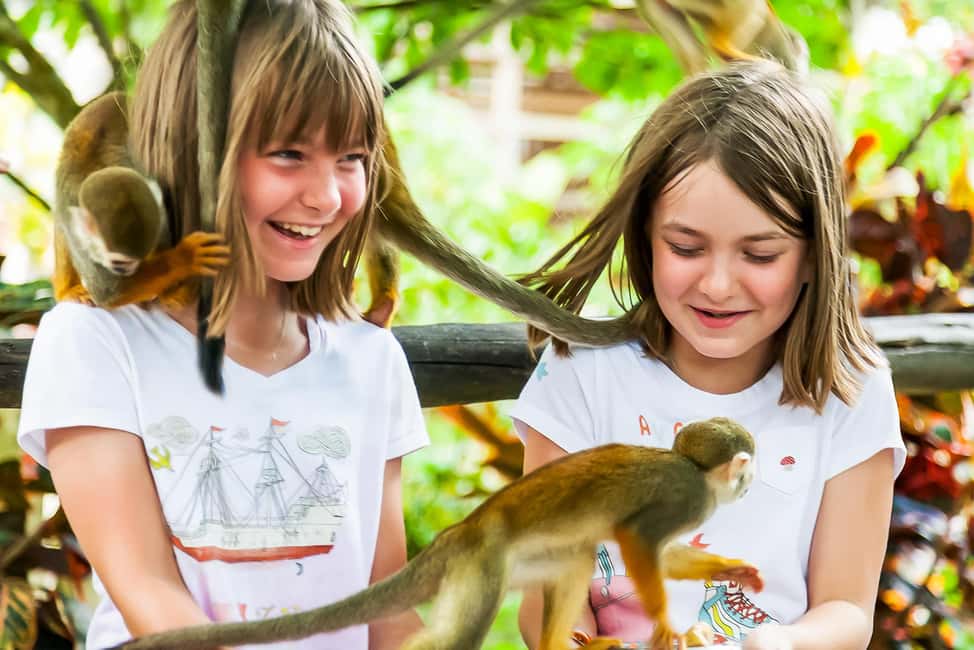
- 45 minutes with squirrel monkeys for feeding, hand-to-hand interaction, and plenty of photo chances
- Casa del Coco teaches coconut oil production, plus fruit, roasted coffee, and cacao tastings
- Trained monkey caretakers: the monkeys are handled using long animal-training experience (including time tied to the Toronto Zoo)
- Mountain and village panoramas during the drive, not just inside the attractions
- Optional photo purchases from staff, with time for your own selfies and pictures
- Locker help is available if you want to store bags before entering the monkey area
Monkeyland squirrel monkeys: close, calm, and very camera-friendly
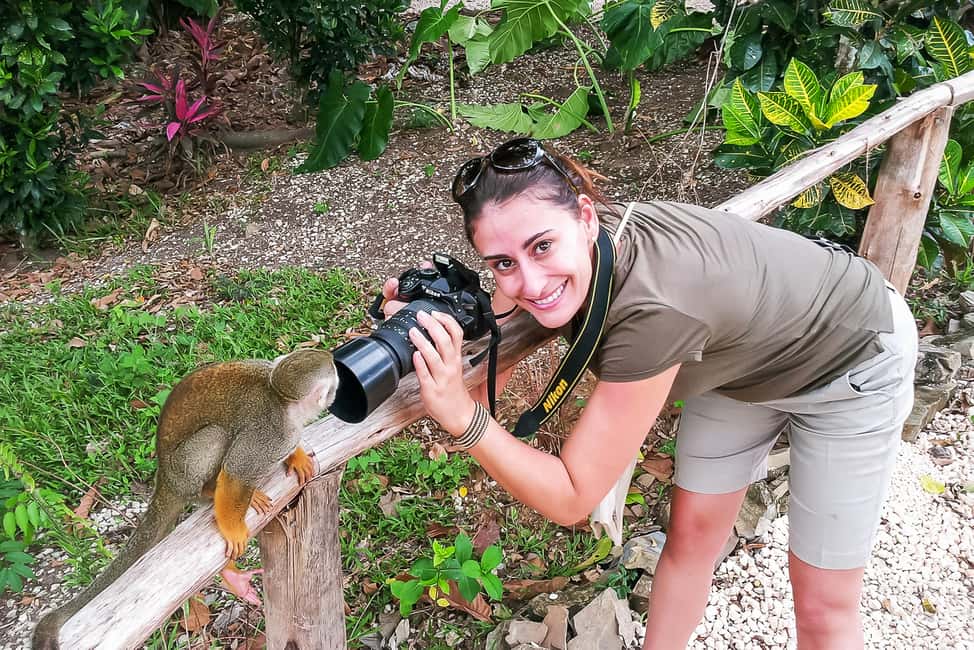
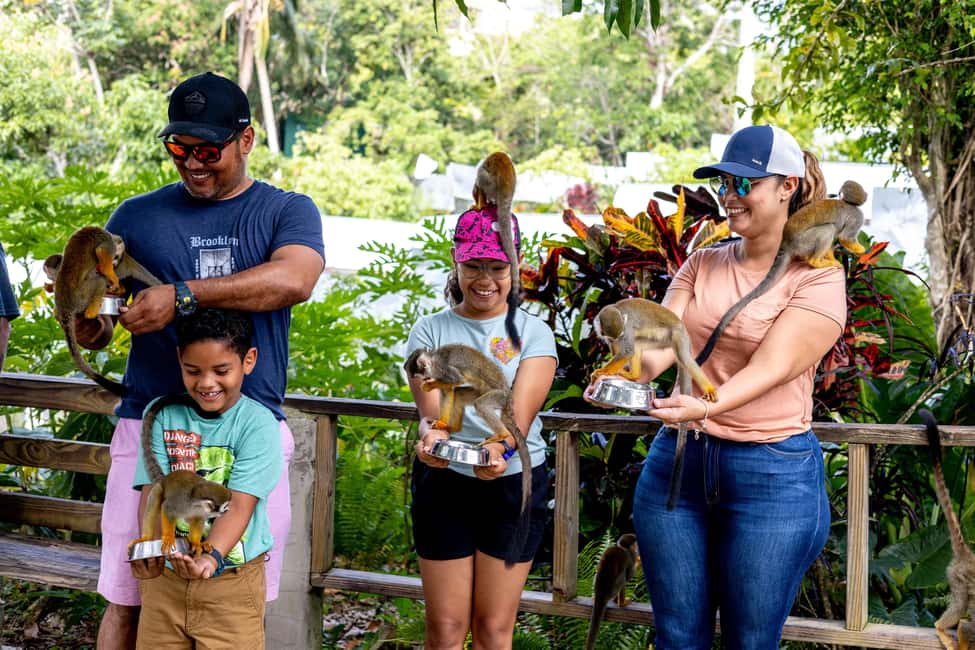
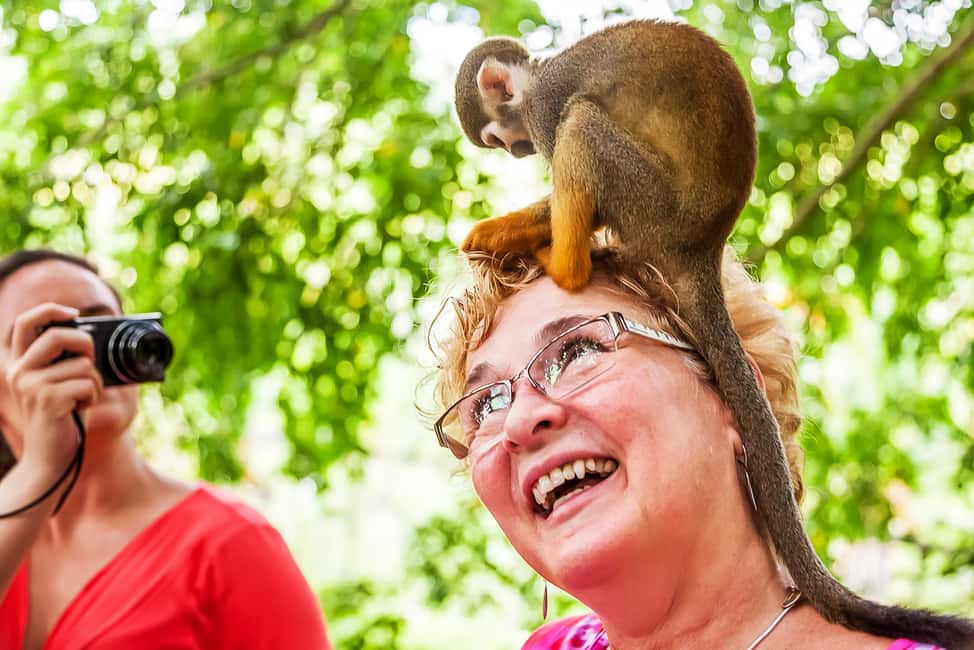
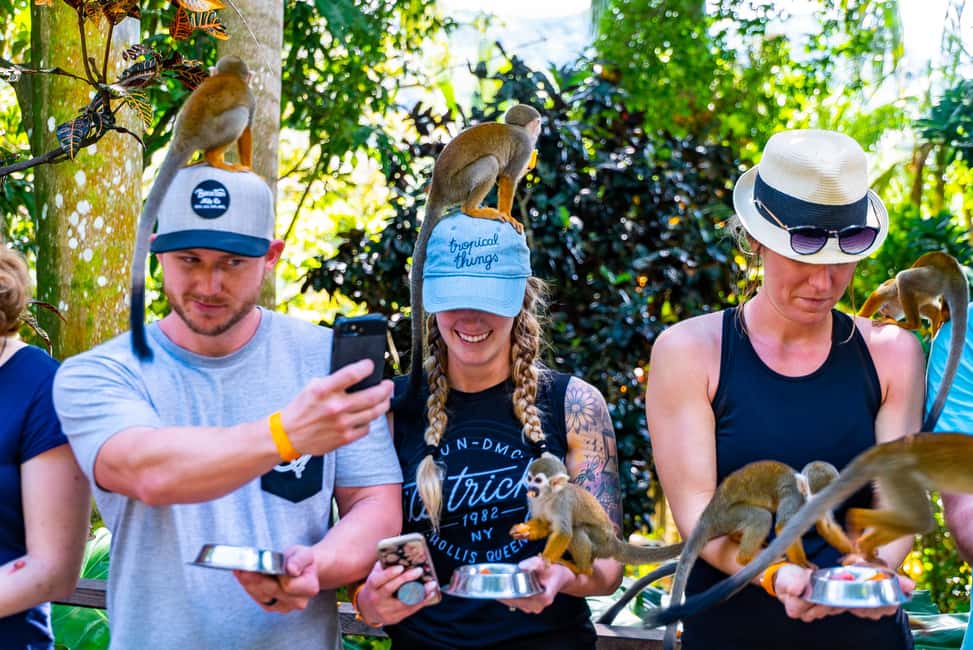
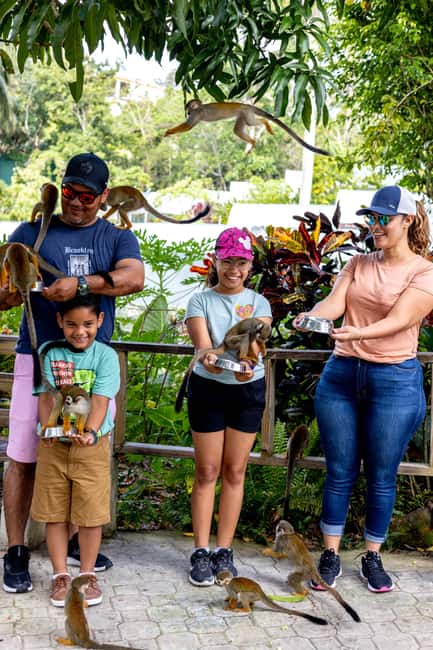
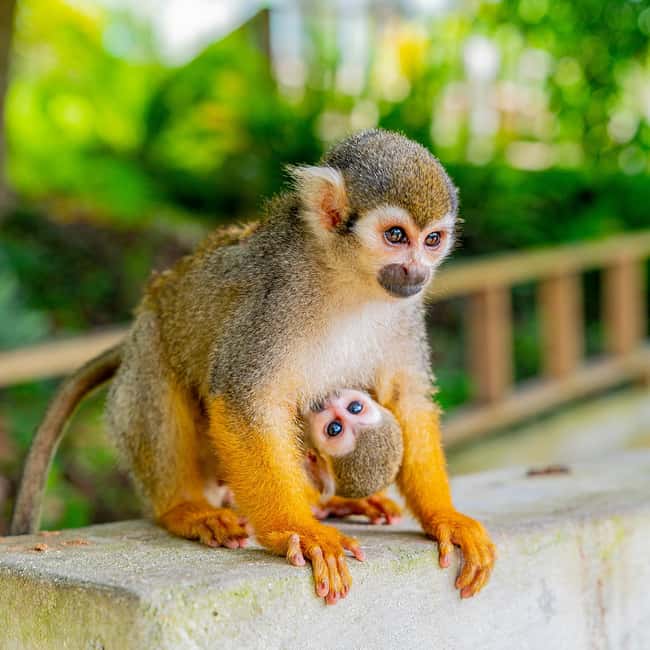
Monkeyland is the main event, and it’s built around close contact. You’re not just watching from behind glass. You’ll interact with squirrel monkeys for roughly 45 minutes, and they often come down from the trees to sit on shoulders and eat from your hands.
What surprised me (in a good way) is how consistently the experience is described as calm and well-controlled. Keepers guide the flow, and the monkeys tend to be gentle rather than chaotic. Many people also say the monkeys are comfortable with cameras, including selfies, and they’ll happily pose while you take your own shots.
There’s a big practical difference between a petting-zoo style stop and this kind of training-based interaction: the staff handles people and animals with rules. That means you’ll move to spots for different views and lighting, and you’ll follow instructions on how to be safe around them. It also helps explain why so many photos come out well—your group isn’t pushed out fast, and you get repeated chances to feed and photograph.
One more thoughtful detail: you can bring your own phone/camera in for pictures. There’s also an option to buy photos taken by staff, but it’s not presented as something you must do on the spot. If you’re trying to keep your spending in check, this setup makes it easier to say yes to only what you truly want.
You can also read our reviews of more tours and experiences in Punta Cana
Casa del Coco: coconut oil and fruit tastings in a real Dominican setting
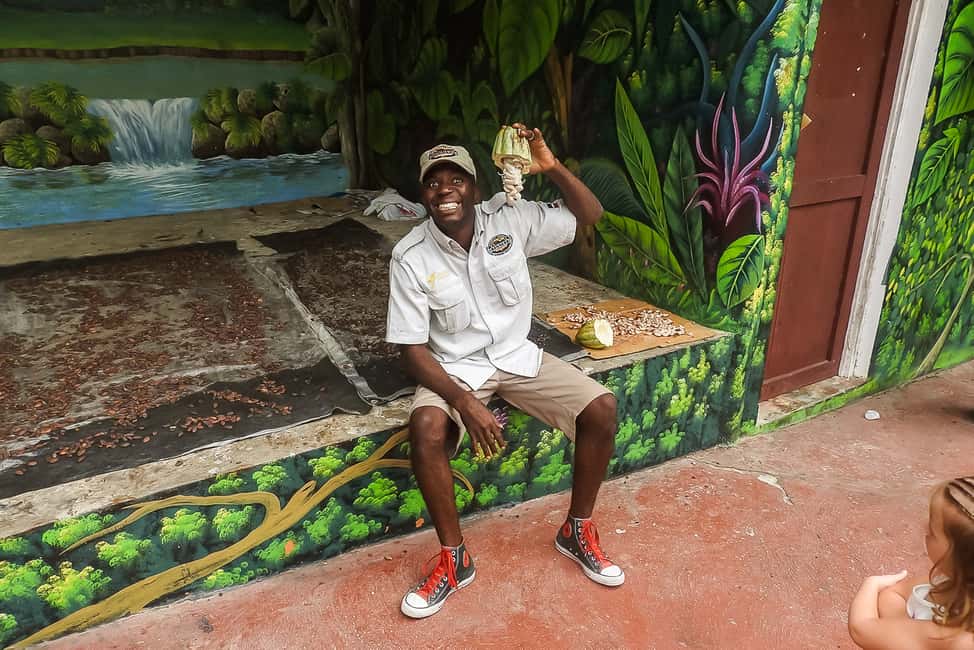
After monkey time, the tour shifts to how everyday island life turns into flavors you can actually taste. You’ll visit a coconut-focused stop called Casa del Coco, where the guide explains coconut oil production.
This part matters because it’s not just a factory-style demo. The tour frames coconut as a staple product tied to daily living—something Dominican households use and value. You also get a chance to try items that connect to the island’s agriculture.
Expect tastings that go beyond one bite. People mention getting to taste exotic Caribbean fruits, roasted coffee, and cacao, and the guide walks you through what you’re seeing and eating. That’s the best part of this stop: the tastings feel like they connect to the story, not like random samples thrown in at the end.
A tip that comes up repeatedly: don’t rush your senses. Coffee and cacao change depending on how they’re prepared, and coconut products have their own textures and aromas. If you’re the type who usually speed-tastes at markets, slow down here. This is one of those tours where you can actually learn something practical about ingredients you’ll see around Punta Cana resorts.
If you like food tours but want something shorter and less crowded, this plantation-style segment is a good middle ground. It’s hands-on enough to feel meaningful, yet it still fits into a half-day schedule.
Coffee and cacao production: tasting it by stages instead of guessing
The plantation portion is designed to be an education plus a tasting. You’ll learn how coffee and cacao are produced and you’ll try different versions along the way. Many people describe this as clear and entertaining rather than a hard sell.
A few specifics you can look forward to:
- You’ll see how cacao can go from fresh to processed forms, with explanations of what changes.
- Coffee is typically roasted and offered for tasting.
- You might also get a taste of mamajuana, which shows up in the tour as part of the local product sampling.
The value here is the structure. Instead of buying a bag at a gift stand and hoping you chose well, you get context for flavor. That helps you make better decisions later, whether you want coffee for brewing at home or cacao-based products.
What I like is that the tour gives you multiple chances to taste rather than one rushed sip. It also gives you a natural reason to ask questions—how it’s made, why it’s used, and what to look for if you’re comparing products in stores.
If you’re sensitive to strong tastes, plan for that. Cacao can be bold, and roasted coffee can be intense if you’re not used to it. Bring a water bottle mindset (even though water is included) and pace yourself so you don’t end up powering through on a full stomach.
The drive through Punta Cana’s countryside: why the ride isn’t wasted time
This tour runs about 5 hours total, and a big chunk is transportation. The good news is that the drive doesn’t feel like dead time.
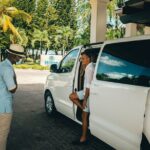
Pickup happens in the morning window around 7:00–8:10 AM or in the afternoon around 1:00–2:10 PM, depending on the departure. The ride to Monkeyland and the production stop can take about 50 minutes to around 1.5 hours, depending on where you’re staying and how traffic lines up.
One common detail to be ready for: the transport may be open-air. Some people describe sitting in an open truck and feeling strong wind at higher speeds. If that’s the case for you, it’s not dangerous, but it can be uncomfortable. Bring something light to cover your legs or hold onto your camera bag if you’re concerned about wind.
What makes the ride worthwhile is the stories. People mention guides sharing background on Dominican life, plus history and local insights along the route. Even if you only catch part of it, the added context makes the countryside feel more meaningful than just a scenery pass.
Also, you’ll get panoramic views of the eastern mountains and local villages. Even short photo stops can be worth it when the views actually break up the resort-only feel of Punta Cana.
Photos, lockers, and souvenirs: how to manage your money without missing the fun
Let’s talk logistics that affect your experience: where you put your stuff and how you handle pictures.
In the monkey area, you generally need to avoid bringing in bags. The tour provides lockers available for rent, which helps you keep your hands free for feeding and selfies. In at least one account, a padlock was mentioned as an extra purchase if you don’t have one—so if you’re traveling light, it can pay to bring a small lock just in case.
Photos are the other money moment. Staff may offer professional pictures taken during your monkey interaction, and people often say this is optional. One person mentioned buying a photo package that worked out to a bundle of images, and others said it was easy to take your own photos too. The key detail: you shouldn’t feel trapped into a purchase.
That said, set expectations. The monkeys are interactive, and professional photos are part of the business model. If you love photos, you may want to budget a little extra for prints or digital packages. If you don’t care, you can focus on your own camera and skip staff photos entirely.
For souvenirs, the production stop includes opportunities to buy Dominican products. People mention buying items like coffee and cocoa products and say prices can be reasonable compared to resort shops. If you plan to buy, do it with the tastings fresh in your mind. That’s when you can compare what you liked with what you’re offered at the end.
You can also read our reviews of more tours and experiences in Punta Cana
Timing and what to wear: the sunscreen rule is real
This is one of those tours where what you wear directly affects the animal interaction. The tour asks you not to wear sunscreen or insect repellent before interacting with the monkeys. That rule is there for animal safety, so treat it as non-negotiable.
Instead, wear comfortable clothes that you don’t mind getting slightly warm or dusty. Bring your camera, and if you want souvenirs or want to be ready for any add-ons, bring a bit of extra cash.
Also, think about sun and heat in Punta Cana. Even if the monkey area is shaded in spots, you’ll be moving and waiting. In the production area, you’ll likely spend time outdoors too. If you run cold easily, a light layer is useful for the open-air ride, especially if wind is strong.
One more thing: don’t overpack your bag strategy. The lockers help, but the whole point of the monkey encounter is getting close and moving. If you show up with a large tote, you’ll end up managing it more than you need to.
Who should book this tour, and who should skip it
This tour is best for people who want animal interaction and short cultural learning, without a full-day commitment. It works well for families too, since you get plenty of photo time and a second stop that’s food- and ingredient-focused.
It’s also a good choice if you:
- like learning through tasting
- want mountain views during your day
- care more about an experience than a long, scripted itinerary
Now the important part: the tour has clear restrictions. It is not permitted for people suffering from heart conditions, epilepsy, upper respiratory infections, and it’s not available for pregnant women. It’s also not suitable for people with disability/mobility problems, wheelchair users, or respiratory issues. If any of those apply, skip this one and look for an alternative that’s safer for your situation.
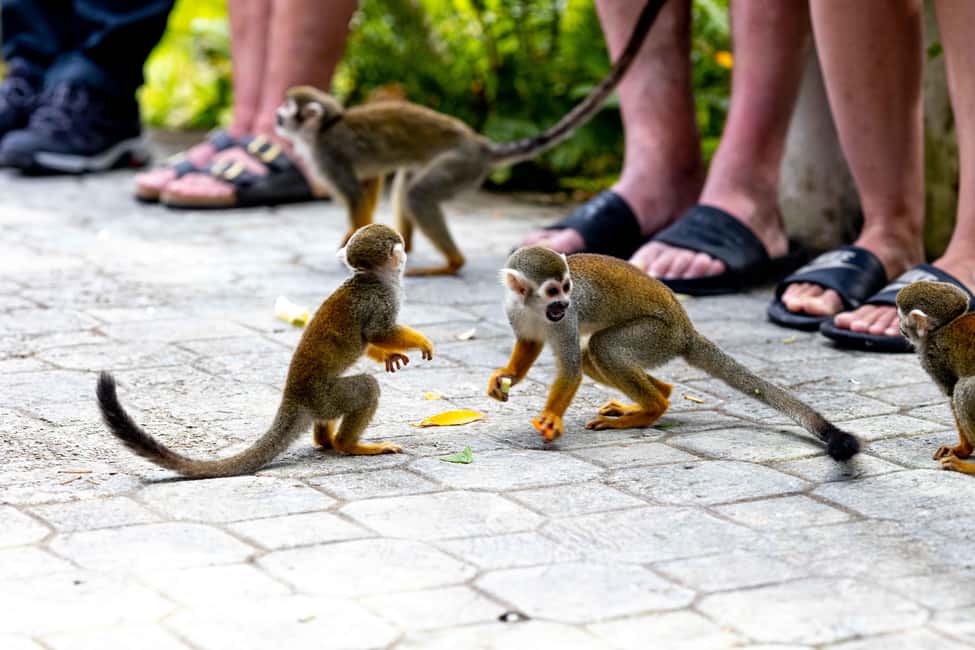
If you’re wondering about the monkey risk: the experience is described as safe and gentle, with keepers guiding you closely and monkeys that don’t behave like wild, unpredictable animals. Still, you’ll be getting close to living creatures. Keep your expectations grounded: monkeys are monkeys. Their behavior can be playful, and they may climb, pose, or shift positions quickly.
Should you book Punta Cana Monkey Land and the Plantation?
I’d book this tour if you want two high-value halves in one day: hands-on squirrel monkey interaction plus a Dominican coconut/coffee/cacao stop where you actually taste what you learn. The price is $95 per person, and what you’re paying for isn’t just admission—it’s the guided handling, hotel pickup, entrance to Monkeyland, water, and guided tastings that go beyond the usual souvenir-shop script.
Skip it if:
- you need a fully accessible, low-mobility experience
- you fall under the medical restrictions listed for heart/epilepsy/respiratory conditions or are pregnant
- you really hate open-air transportation segments and wind
If you do go, go in with a simple plan: wear appropriate clothes, follow the no-sunscreen/no-repellent rule, and treat the monkey time like a short photo safari with feeding opportunities. Then slow down during the coconut/coffee/cacao tastings so you leave with real flavor memory, not just a few souvenirs.
FAQ
What’s the duration of the Punta Cana Monkey Land half-day safari?
The tour runs about 5 hours (listed as 330 minutes).
How do hotel pickups work?
Pickup is included at most hotels in the Punta Cana, Bavaro, Macao, Uvero Alto, and Cabeza de Toro areas. Morning pickup is between 7:00 AM and 8:10 AM, and afternoon pickup is between 1:00 PM and 2:10 PM.
What will I do at Monkeyland?
You’ll enter Monkeyland and spend about 45 minutes interacting with squirrel monkeys. You can feed them, and they may come down to sit on your shoulder and eat from your hands.
What happens at the coconut house and plantation stop?
You’ll visit Casa del Coco to learn about coconut oil production, and you’ll taste items like Caribbean fruits, roasted coffee, and cacao (and the plantation stop includes coffee/cacao production learning and tasting).
Is it safe to bring a camera or phone?
Yes. You can bring your camera and extra cash for souvenirs. People also mention the option to take your own photos during monkey interaction.
Are lockers available?
Yes. Lockers are available for rent at the site.
What are the major restrictions on who can join?
The tour is not permitted for people with heart conditions, epilepsy, and upper respiratory infections, and it is not available to pregnant women. It’s also not suitable for wheelchair users and guests with mobility impairments or respiratory issues.