REVIEW · PUNTA CANA
Group Surf Lessons Punta Cana – Fun, Easy & Beginner-Friendly
Book on Viator →Operated by Macao Surf Camp · Bookable on Viator
Surf lessons in Punta Cana feel surprisingly doable. This small-group surf session at Macao Surf Camp is set up for first-timers, with coaching tailored to what you need and hotel pickup included. If you’re picturing a chaotic free-for-all, don’t. You’ll get hands-on guidance and a real chance to stand up on the board.
Two big things I like: the convenient pickup and drop-off (so you don’t fight traffic or parking), and the way the instruction is structured around you. One instructor can work with two or three students from your own party, and I’ve seen names like Samuel, Rafael, and Kendro praised for being helpful and encouraging. The one consideration: the experience can vary depending on instructor attention and the condition of the surfboards, and helmets or flotation gear aren’t listed as part of what you receive.
In This Review
- Key things to know
- Macao Beach Basics: Why This Surf Lesson Works for First-Timers
- How the Timing Really Plays Out: Two Sessions and a Mid-Break
- Pickup and Transport: Door-to-Beach Convenience
- Small-Group Coaching: Two or Three Students Per Instructor
- Gear, Rash Guards, and Water: What You Don’t Have to Pack
- The Break on Land: Fuel Before the Second Session
- Photos and Video: Extra Cost, Mixed Value
- Price Check: Is $115 Fair for Punta Cana Surf Lessons?
- Conditions and Reality: Waves, Size, and Your Energy Level
- Who This Surf Lesson Is Best For
- Should You Book Macao Surf Camp for Punta Cana Surf Lessons?
- FAQ
- Where does the surf lesson take place?
- How long is the experience?
- What group size should I expect?
- What’s included with the lesson?
- Is lunch included?
- Are photos or video included?
- What if weather is poor or I need to cancel?
Key things to know
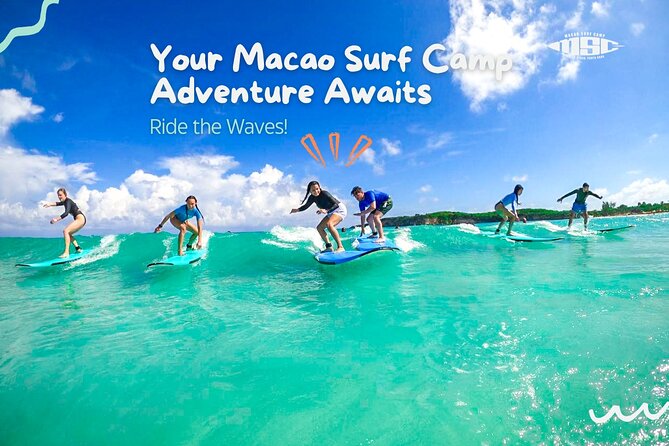
- Macao Surf Camp coaching with instruction designed for beginners and returning surfers
- Small group size capped at two or three students per instructor
- 2 hours total with the lesson split into two sessions plus a mid-break
- Gear and drinks included: surfboard, rash guard, bottled water, plus coconut water and/or fruit
- Morning or afternoon timing so you can fit it into your day
- Photos/video cost extra, and pricing gets mixed reactions
Macao Beach Basics: Why This Surf Lesson Works for First-Timers
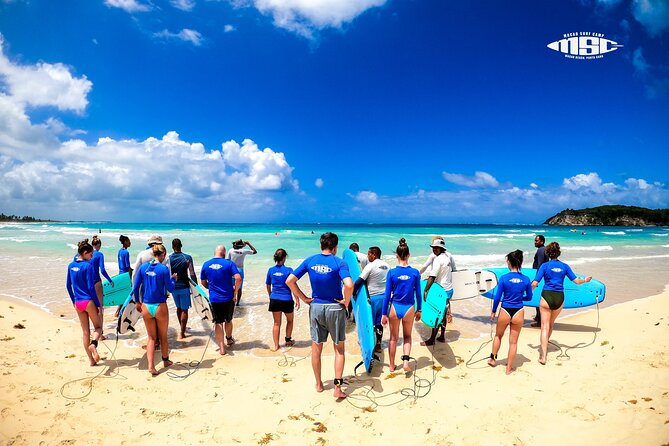
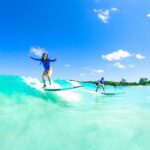
Punta Cana’s surf scene isn’t just for athletic people who already know what they’re doing. This lesson is built around the reality that your first goal is simple: get comfortable, learn the board basics, and catch enough waves to feel progress.
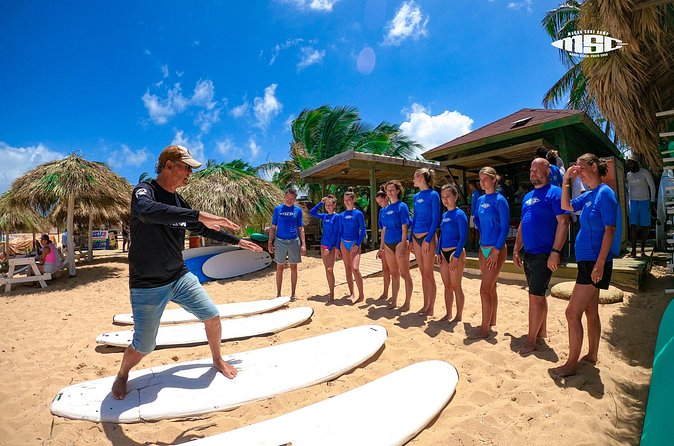
You’ll head to Macao Beach with the Macao Surf Camp team. The key detail is the way the lesson is organized for beginners. You’re not just pushed into the water and told to figure it out. Your instructor can adjust the lesson based on your level, so a confident surfer and a brand-new surfer aren’t coached the exact same way.
Also, this is a beach trip that fits real vacation schedules. The whole experience runs about 2 hours, and it’s offered in morning or afternoon sessions. That matters when you’re juggling beach time, lunch plans, or other activities.
You can also read our reviews of more tours and experiences in Punta Cana

How the Timing Really Plays Out: Two Sessions and a Mid-Break
The lesson is divided into two sessions, with a half-time break in the middle. During that break, you get coconut water or purified water plus some fruit. It’s a smart setup for a sport that can tire you out fast, especially if you’re learning to paddle and pop up on a moving board.
In practice, you’ll spend time on land for basic instruction and setup, then you’ll move to the water for the waves. Some people report getting into the surf quickly after arrival (even around 20 minutes), which tells me the camp tries to avoid long dead time.
One small caution: surfing takes effort even when the waves aren’t huge. If your vacation day includes a big dinner reservation, plan for the fact that you’ll likely feel it in your shoulders and legs.
Pickup and Transport: Door-to-Beach Convenience
This is one of the easiest activities to say yes to in Punta Cana because the logistics are handled. The hotel pickup and drop-off are included, and you’ll use a mobile ticket at booking time.
In other words, you’re not trying to coordinate with taxis while carrying a towel, sunscreen, and your patience. You show up, meet the team, and go. That’s especially helpful if you’re traveling with kids or you’re not trying to spend your day figuring out transportation.
If your hotel is outside the easiest pickup spots, don’t assume it’s always painless. You’ll want to double-check the exact pickup details once you confirm, because one rough experience in the mix involved a pickup confusion and a day that started late. Most people describe pickup as smooth and on time, but it’s worth staying alert.
Small-Group Coaching: Two or Three Students Per Instructor
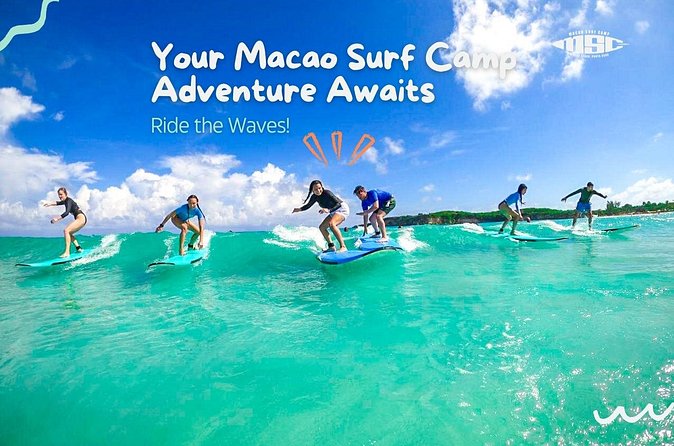
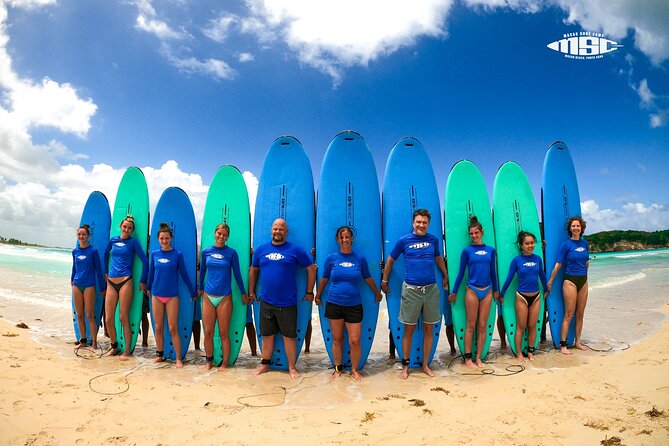
This is where the lesson earns its beginner-friendly reputation. Your instruction is shared by one instructor with two or three students at a time. That setup is a real tradeoff: you might have to wait your turn for a wave, but you also get focused attention and better feedback than you would in a huge crowd.
It also means your instructor can adjust details based on what you’re doing wrong. For instance, if you’re struggling to stand up, the coaching tends to emphasize timing and body position. If you’re more advanced, you’re more likely to work on technique rather than basic balance.
The small group format often gets praised for speed of learning. Several people describe how they were standing on the board quickly, sometimes within just a few tries. Even when learning takes longer, the structure still helps because you’re not guessing your progress—you’re getting corrections and encouragement.
Gear, Rash Guards, and Water: What You Don’t Have to Pack
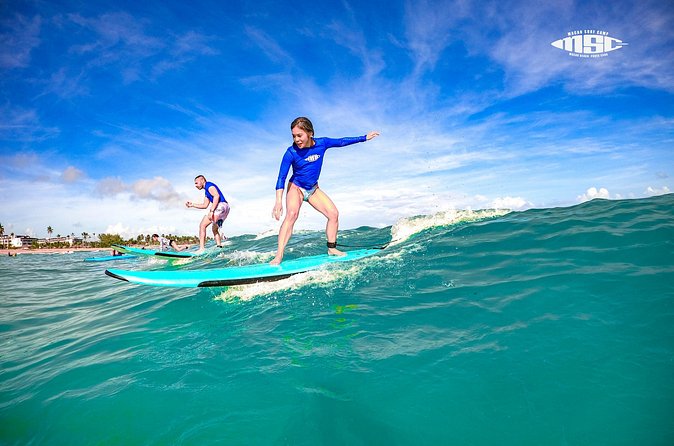
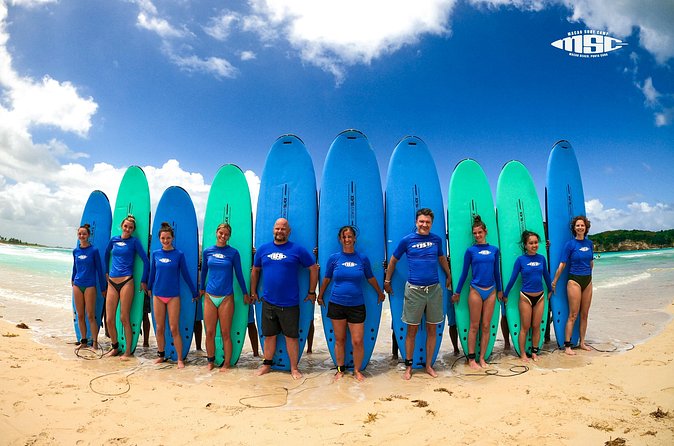
You’ll travel lighter than you expect. Surfboard, rash guard, and bottled water are included. There’s also coconut water and/or fruit during the mid-break.
A rash guard is more than comfort. It helps with friction and makes your skin feel better when you’re repeatedly popping up, wiping out, and sliding on a board. It also simplifies your packing list. You can focus on sunscreen and a towel instead of worrying about wetsuit logistics.
What to bring is pretty straightforward. The camp recommends a towel and sunscreen, and I’d add one practical thing: bring a little extra cash for the beach shop side of the experience. Lunch is available for purchase, and photos or video are an optional add-on.





The Break on Land: Fuel Before the Second Session
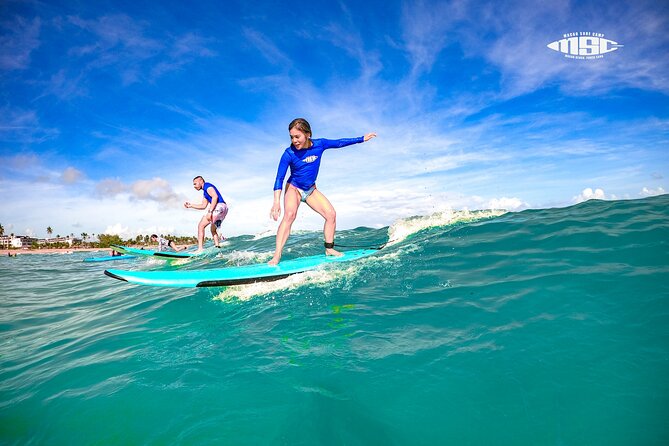
That half-time break is one of those small details that changes how you feel at hour two. After the first round of paddling and standing attempts, you’re not just tired—you’re ready for a reset.
The team provides coconut water and/or purified water plus some fruit. It’s not a gourmet meal. It’s a hydration and energy bump, which is exactly what you need before the second set of waves.
If you’re learning, the second session is often when it clicks—because you’ve already figured out where the board sits under you and how to time your pop-up. Having water and fruit mid-lesson helps you stay in the game instead of fading out.
Photos and Video: Extra Cost, Mixed Value
You can buy souvenir photos and video. Some people love it because it captures the moment you finally stand up. Others feel the packages are overpriced, especially if what you get is short.
My practical advice: decide before you go into the lesson whether you want to pay for memories. If you’re spending $115 on the surf experience, don’t let an impulsive photo buy become the surprise headline on your final bill.
If you care most about getting a few good images rather than a full package, bring cash and be ready to shop thoughtfully at the beach afterward. One helpful tip from people in the know: bring extra cash for the surf shop’s offerings so you’re not stuck negotiating while you’re sunburned and tired.
Price Check: Is $115 Fair for Punta Cana Surf Lessons?
At $115 per person, you’re paying for more than just time in the ocean. What you get matters:
- Hotel pickup and drop-off
- Surfboard and rash guard
- Bottled water
- Mid-break coconut water and fruit
- Guided coaching with an instructor assigned to a small group
- A 2-hour session designed around learning
When you add that up, the value is strongest if you’d otherwise have to rent a board, figure out transport, or pay for separate instruction. In that sense, it’s not just a beach activity. It’s a packaged learning experience with logistics handled.
That said, there are complaints in the mix about photos/video pricing and about equipment quality in at least one case. If your top priority is premium boards and lots of personal instruction time, you might want to compare other schools. If your top priority is a straightforward, beginner-friendly way to surf Punta Cana without planning your whole day, this often makes sense.
Conditions and Reality: Waves, Size, and Your Energy Level
Macao Beach is known for being fun for learners, but it’s still the ocean. Waves can feel different depending on the day and the season. One person described December conditions as more aggressive, and that can affect how quickly you get out to surf and how hard it is to paddle back.
Also, surfing isn’t just standing up. It’s getting in position, paddling, timing, and sometimes being knocked around in the whitewater. If you’ve got a moderate physical fitness level, you’ll likely keep up. The minimum age is 4 years, which tells you the camp expects some kids to handle the basic demands with supervision and guidance.
If you have concerns about safety gear, note that the listing doesn’t mention helmets or flotation vests as included. One critical review specifically wished for more safety support. Other reviews say they felt safe and well cared for. That difference suggests the day, the instructor, and your comfort level all play a role.
Who This Surf Lesson Is Best For
This is a great match for:
- Beginners who want real coaching and a structured chance to stand up
- Families and teens who want a fun, active group thing to do
- People who prefer small groups instead of big crowds
- Anyone who values not having to manage transport, gear, and timing
It’s less ideal if:
- You’re very safety-minded and want flotation or helmets listed as part of the included gear
- You need highly individualized instruction beyond what one instructor can manage with two or three students
- You’re sensitive to equipment quality (in at least one case, surfboards were criticized)
Should You Book Macao Surf Camp for Punta Cana Surf Lessons?
Book it if you want a beginner-friendly Punta Cana surfing experience that takes the hard parts off your plate. The included pickup, the gear, and the small-group instruction are the strongest reasons to choose this. You’ll likely leave with that big vacation story: I surfed, even if it took a few tries.
Consider shopping around or asking questions first if your priorities are very specific. If you want a guarantee of modern boards, more formal safety gear, or extra one-on-one time, you should look for a different setup where those points are made clear.
If your goal is to try surfing with a supportive team at Macao Beach, this one is easy to recommend, especially given the high overall rating and the repeated praise for instructors getting people standing on the board.
FAQ
Where does the surf lesson take place?
The surf lesson is in Punta Cana, at Macao Surf Camp and on the Macao Beach area.
How long is the experience?
It’s about 2 hours total, and the lesson is divided into two sessions with a half-time break.
What group size should I expect?
It’s a small group capped at two or three students per instructor.
What’s included with the lesson?
You get hotel pickup and drop-off, use of a surfboard, a rash guard, bottled water, and coconut water and/or fruit during the break.
Is lunch included?
No. Lunch is not included, but you can purchase it at the beach.
Are photos or video included?
No. Souvenir photos are not included, and photo/video are available to purchase.
What if weather is poor or I need to cancel?
The experience requires good weather. If it’s canceled due to poor weather, you’ll be offered a different date or a full refund. You can cancel up to 24 hours in advance for a full refund.